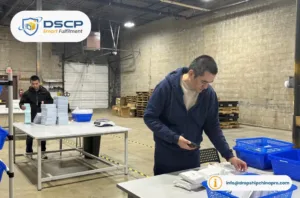

Most e-commerce sellers assume that outsourcing to a 3PL fulfillment center solves their logistics challenges entirely. In practice, traditional 3PL only covers half the picture. Warehousing and shipping are handled, but sourcing costs, supplier markups and overseas coordination remain your responsibility. That split creates a hidden cost structure that keeps margins compressed even as order volumes grow.
This guide explains what a 3PL fulfillment center actually does, where the traditional model has limits and how hybrid fulfillment addresses those gaps.

Key Takeaways for 3PL Fulfillment Center
- A 3PL fulfillment center handles warehousing, order processing and shipping but does not address product sourcing costs.
- Sourcing typically represents 60-70% of total landed costs, making it the biggest lever available for margin improvement.
- Hybrid fulfillment integrates China-direct sourcing with US warehousing, eliminating supplier markups while maintaining 2-3 day delivery.
- Cost reductions of 30-40% are typical when switching from traditional 3PL to a hybrid model.
- Hybrid fulfillment becomes cost-effective from around 100 monthly orders, earlier than most sellers expect.
What Is a 3PL Fulfillment Center?
A 3PL fulfillment center is a warehouse operated by a third-party logistics provider that handles storage, order processing and shipping for e-commerce businesses. Third-party logistics (3PL) means the provider is separate from both you and your suppliers.
These centers receive inventory from your suppliers, store products, pick and pack orders when sales occur and coordinate carrier dispatch. Core services typically include:
- Inventory receiving and warehouse storage
- Order picking and packing
- Shipping label generation and carrier coordination
- Returns processing and restocking
- Real-time inventory tracking across sales channels
Traditional 3PL providers focus exclusively on these warehousing and distribution functions. Everything upstream, including supplier negotiation, product sourcing and quality control before products arrive, remains your responsibility.
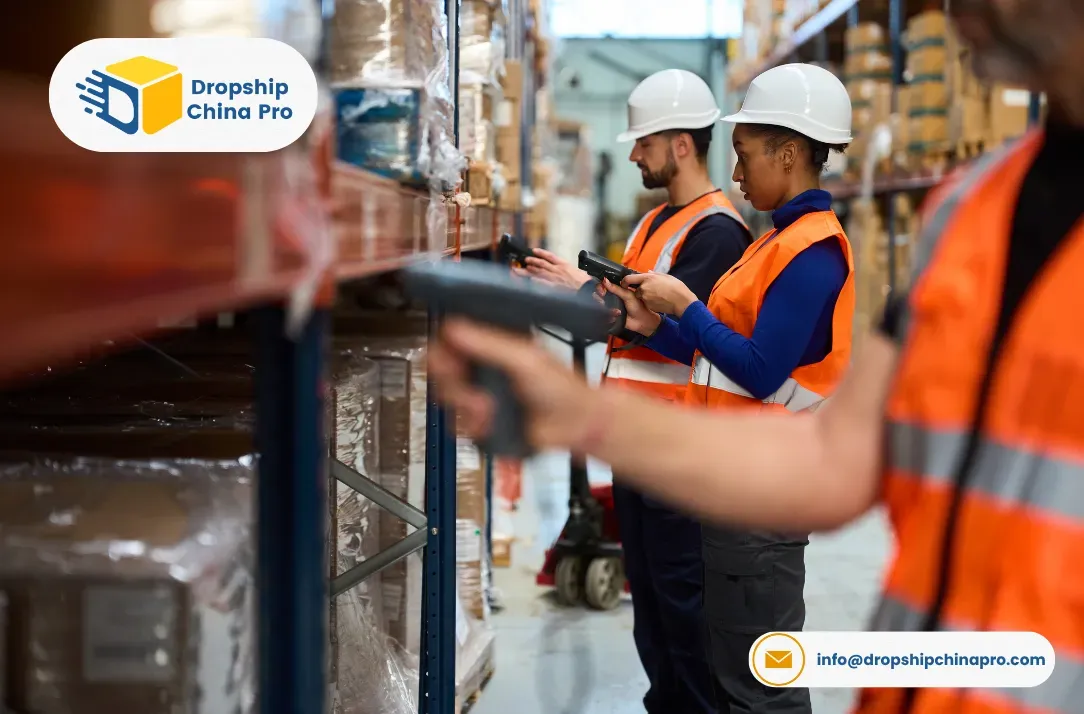
How Traditional 3PL Fulfillment Works
The standard process follows a straightforward sequence. Your supplier manufactures products overseas. You arrange freight to ship inventory in bulk to the 3PL warehouse. The 3PL receives and stores your stock. When orders come in through your store, warehouse staff pick, pack and dispatch them via their carrier network.
This model works reasonably well for established businesses with consistent volumes. According to Shopify’s 2024 fulfillment cost analysis, businesses using traditional 3PL pay an average of $5-8 per order for fulfillment alone, not including product costs, inbound freight, or supplier markups (Shopify, 2024). Those upstream costs are where the real margin pressure sits.
The Hidden Problem with Traditional 3PL
Traditional 3PL solves distribution but ignores your biggest cost: product sourcing. A product with a $10 factory cost typically reaches you at $16-18 after supplier markups, before any fulfillment fees are applied. That intermediary margin is what compresses profitability, and traditional 3PL does nothing to address it.
Quality control is another gap. Traditional 3PLs check for shipping damage on arrival, not manufacturing defects. If your supplier ships faulty products, you only discover the issue when customer complaints arrive. By that point, you have already paid for international freight, fulfillment processing and return costs on unusable inventory.
Sellers discussing this in communities like r/ecommerce on Reddit consistently point to the same problem: reliable suppliers willing to work with smaller businesses at factory prices are hard to access, and managing those relationships directly adds significant time and complexity.
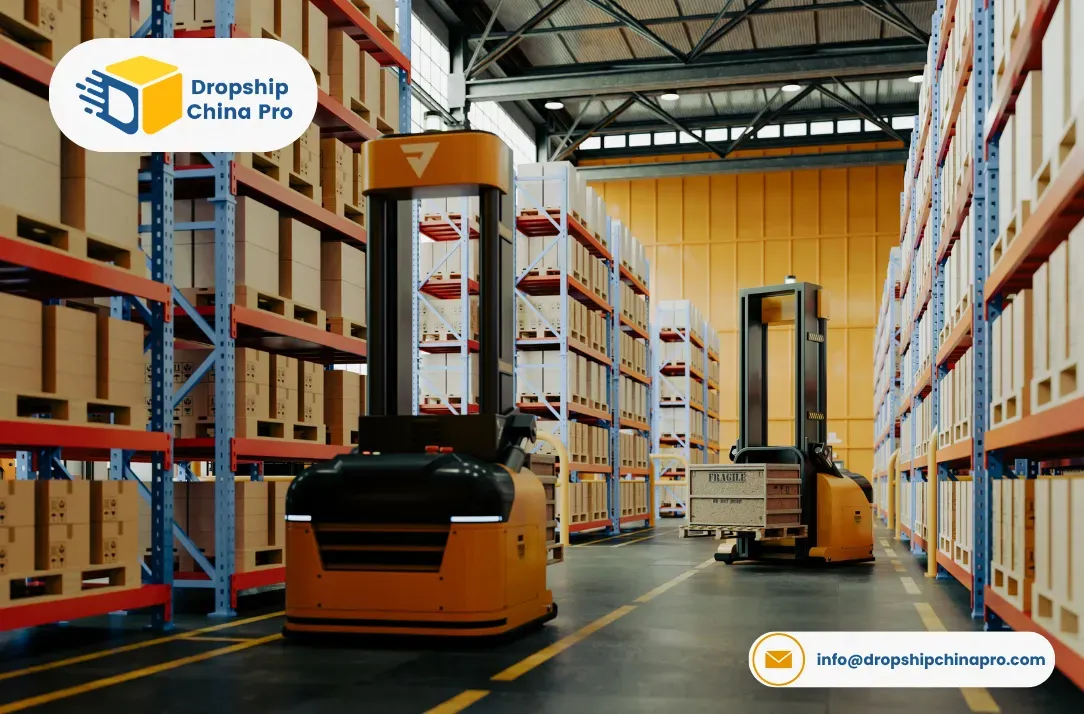
How Hybrid Fulfillment Reduces Costs by 30-40%
Hybrid fulfillment integrates sourcing and warehousing under one operation. Instead of buying through suppliers who mark up factory prices and then paying a separate 3PL for warehousing, a hybrid provider handles both. The cost difference is substantial:
Traditional 3PL model (per unit):
- Factory cost: $10
- Supplier markup (50%): $5
- Ocean freight to the US: $2
- 3PL receiving and storage: $1.50
- Pick and pack: $3.50
- Total landed cost: $22
Hybrid fulfillment model (per unit):
- Factory cost: $10
- Direct sourcing (no markup): $0
- Consolidated ocean freight: $1.50
- Integrated warehouse receiving: $0.75
- Pick and pack: $3
- Total landed cost: $15.25
That $6.75 saving per unit represents a 31% cost reduction. For a business processing 500 monthly orders, that is over $40,000 saved annually. Those savings do not come from cutting service quality but from removing intermediary markups that add no value.
Beyond cost, hybrid fulfillment enables quality control at the factory stage before products ship internationally. Issues are caught and resolved before they generate trans-Pacific return costs or damage customer reviews.
Traditional 3PL vs Hybrid Fulfillment
| Factor | Traditional 3PL vs Hybrid Fulfillment |
|---|---|
| Sourcing Cost | Supplier markup (40-60%) vs Factory-direct pricing |
| Total Landed Cost | $22 per unit vs $15.25 per unit |
| Delivery Speed | 5-7 days vs 2-3 days |
| Quality Control | On arrival vs At factory level |
| Vendor Relationships | Supplier + 3PL separately vs Single provider |
| Cost Saving Potential | Baseline vs 30-40% reduction |
When to Choose Hybrid Over Traditional 3PL
The clearest signal is margin pressure. If fulfillment and product costs are consuming 60-70% of revenue, the sourcing integration in a hybrid model creates meaningful financial improvement.
Hybrid fulfillment makes sense when you see:
- Monthly orders consistently above 100-200 units
- Products sourced from Asia-Pacific manufacturing regions
- Gross margins below 40% after all fulfillment costs
- Time spent coordinating between separate suppliers and fulfillment providers
- Customer feedback about slow delivery from international shipping
The global 3PL market is projected to reach $1.98 trillion by 2030, growing at 8.7% annually (Grand View Research, 2024). Most of that capital flows through intermediary relationships. Hybrid models capture more of that value for the seller rather than distributing it across multiple service providers.
When to Switch to Hybrid Fulfillment
| Signal | What It Means |
|---|---|
| 100+ Monthly Orders | Sourcing savings begin to compound significantly |
| Gross Margin Below 40% | Supplier markups are compressing profitability |
| Asia-Pacific Sourcing | Direct factory access delivers the biggest saving |
| Slow Delivery Complaints | US warehousing cuts delivery from weeks to days |
| Multi-Vendor Coordination | One provider replaces supplier and 3PL separately |
What Dropshippers Say About Hybrid Fulfillment
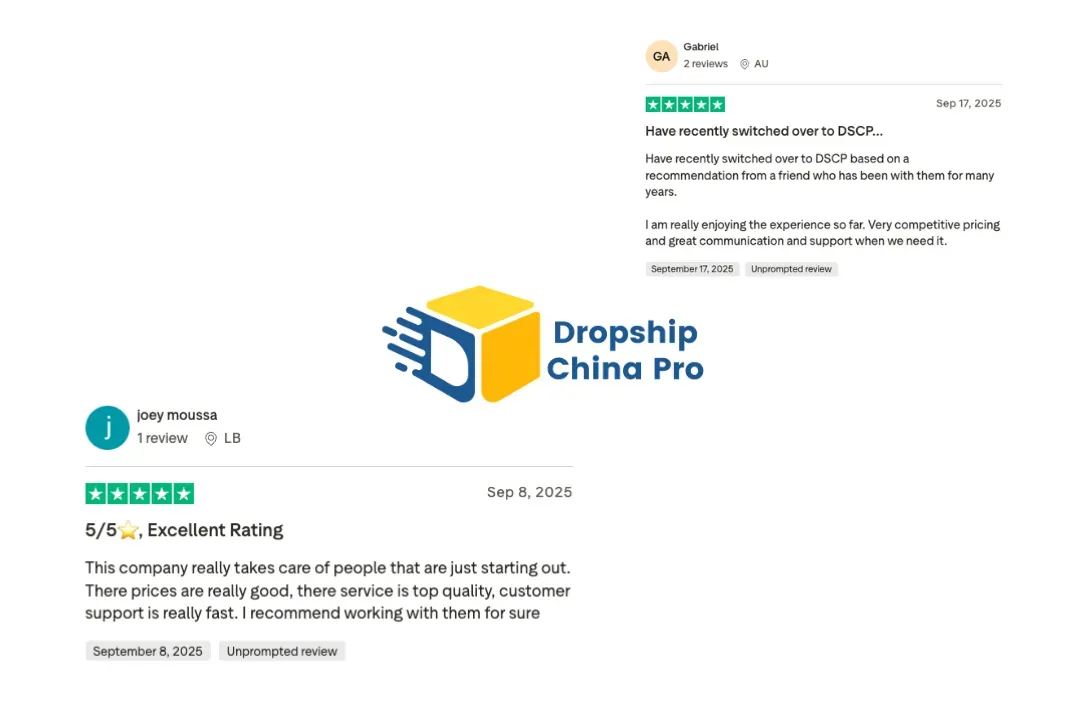
Carson from California switched from traditional 3PL after reliability issues. “I’ve been working with DSCP, and I’m beyond impressed. Their service is quick, professional and super easy to work with. Response times are fast, communication is smooth and their QC processes are reliable, which gives me full confidence in the products.”
Joey from Lebanon valued the accessible entry point. “This company really takes care of people who are just starting. Their prices are really good, their service is top quality and customer support is really fast. I recommend working with them for sure.”
Gabriel from Australia made the switch based on a referral. “I recently switched over to DSCP based on a recommendation from a friend who has been with them for many years. Very competitive pricing and great communication and support when we need it.”
How to Evaluate a 3PL or Hybrid Fulfillment Provider
When comparing providers, look beyond advertised per-order rates and examine the full picture:
- Geographic coverage. Warehouses in California and New Jersey reach most US customers within 2-3 days via ground shipping. Verify actual locations rather than accepting general “US fulfillment” claims.
- Sourcing capabilities. Genuine hybrid providers have direct factory relationships and in-house quality control. Ask specifically about how they source and inspect products.
- Technology integration. Real-time inventory sync with Shopify or WooCommerce is essential. Request a live demonstration rather than a feature list.
- Transparent pricing. Request a full fee schedule covering receiving, storage, pick and pack, minimums, and returns. Calculate total costs against your actual order patterns.
- Scalability. Confirm pricing and operational processes accommodate 2-3x growth without requiring a provider change.
Dropship China Pro operates fulfillment centers in California and New Jersey, combining direct China sourcing with domestic dispatch for 2-3 day US delivery. The Dropship China Pro Shopify app connects your store directly to this infrastructure and automates order routing and tracking.
Frequently Asked Questions
What is a 3PL fulfillment center?
A 3PL fulfillment center is a third-party warehouse that receives, stores and ships inventory on behalf of e-commerce businesses. It handles the distribution side of your operation, but not product sourcing or supplier relationships.
What does 3PL cost per order?
Traditional 3PL fulfillment typically costs $5-8 per order for pick, pack and dispatch, excluding inbound freight, storage and product sourcing costs. Hybrid providers that integrate sourcing often deliver a lower total landed cost despite comparable or higher per-order fulfillment fees.
What is the difference between 3PL and hybrid fulfillment?
Traditional 3PL handles warehousing and shipping only. Hybrid fulfillment integrates product sourcing with warehousing, eliminating supplier markups and centralising quality control. This integration is where the 30-40% cost saving comes from.
How many orders do I need for 3PL to make sense?
Most 3PL providers become cost-effective from around 50-100 monthly orders. Hybrid fulfillment specifically starts delivering strong returns from around 100-200 monthly orders, when the sourcing savings begin to compound significantly.
How long does it take to switch to a new fulfillment provider?
Most transitions take 30-60 days from selection through full operation, covering system integration, inventory transfer and parallel testing. Running both systems briefly during the transition reduces risk while you verify quality and accuracy.
Conclusion
Traditional 3PL fulfillment centers solve distribution but leave sourcing costs unaddressed, keeping margins under pressure regardless of order volume. Hybrid fulfillment models close this gap by integrating factory-direct sourcing with professional warehousing, delivering the cost advantages of direct manufacturing with 2-3 day domestic delivery.
For businesses processing 100 or more monthly orders with products sourced from Asia, hybrid fulfillment typically reduces total landed costs by 30-40% while simplifying operations. That combination of lower costs and better customer experience is what makes it a meaningful upgrade over traditional 3PL arrangements.
References
- Shopify. (2024). E-Commerce Fulfillment Costs Analysis. shopify.com/fulfillment-costs
- Grand View Research. (2024). Third Party Logistics (3PL) Market Size and Share Report, 2030.
- Reddit. (2024). Supplier reliability discussion. r/ecommerce. reddit.com/r/ecommerce

Hi, I’m Yavuz. I help e-commerce businesses grow through strategic content and SEO. Here, I share insights on fulfillment solutions, 3PL partnerships, and digital marketing strategies based on real data and industry trends.