

Dropshipping challenges can determine whether your ecommerce business thrives or struggles in 2026. While dropshipping offers low startup costs and minimal risk, successful store owners know that overcoming common obstacles, from unreliable suppliers to shipping delays, is what separates profitable businesses from those that fail within their first year.
In this guide, we’ll cover the six most critical dropshipping challenges facing online retailers today and provide proven solutions to overcome each one. Whether you’re just starting or scaling your existing store, you’ll learn how to find reliable suppliers, manage inventory, handle shipping delays, deliver exceptional customer service, build a strong brand, and stay ahead of market trends. Let’s turn these dropshipping challenges into your competitive advantage.

Key Takeaways: Overcoming Dropshipping Challenges
Before diving into solutions, here’s what you need to know about the most common dropshipping challenges in 2026:
- Supplier reliability is everything: Your business success depends entirely on your suppliers’ ability to deliver quality products on time. Vet thoroughly and maintain backup options.
- Inventory management requires real-time tracking: Use automated software to monitor stock levels across suppliers and prevent overselling or stockouts.
- Shipping delays will happen: Set realistic expectations upfront, provide tracking information, and communicate proactively when issues arise.
- Customer service is your differentiator: Fast response times, transparent communication, and hassle-free returns build trust in a competitive market.
- Brand identity beats price competition: Focus on a specific niche, invest in professional branding, and offer unique value to stand out from generic dropshippers.
- Market trends change rapidly: Stay informed through industry blogs, analyze your sales data regularly, and adapt your product offerings based on customer feedback.
The dropshippers who succeed aren’t avoiding these challenges; they’re systematically addressing each one. Let’s break down exactly how to do that.
Understanding Dropshipping: The Business Model Behind the Challenges
Dropshipping is a retail fulfillment method where stores don’t keep products in stock. Instead, when a customer places an order, the store purchases the item from a third-party supplier who ships it directly to the customer. According to Shopify’s research, the global dropshipping market is projected to reach $500+ billion by 2027, making it one of the fastest-growing ecommerce models.
While this business model eliminates the need for warehousing and upfront inventory investment, it introduces unique operational challenges that traditional retailers don’t face. The lack of direct control over product quality, shipping times, and inventory levels means dropshippers must develop different strategies to ensure customer satisfaction.
Understanding these fundamental constraints helps explain why the following six challenges are so common—and why having systems in place to address them is critical for long-term success.
1) Finding Your Perfect Supplier Match
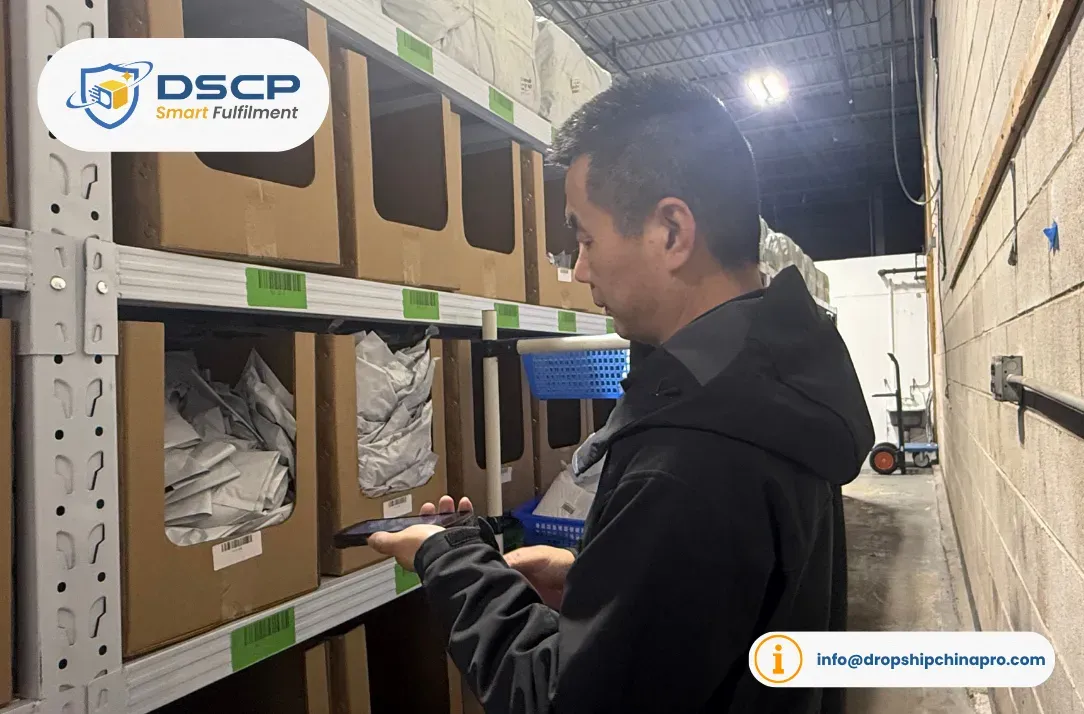
In the whirlwind world of dropshipping, finding reliable suppliers is like finding a needle in a haystack. But it’s not impossible. The secret sauce? A systematic approach, a dash of due diligence, and a pinch of patience.
Let’s start with research. Think of it as online dating for your business. Use online platforms and directories to find potential matches. These platforms offer detailed supplier profiles, reviews, and ratings. It’s like reading a dating bio, but instead of hobbies and favorite foods, you’re looking at reliability and product quality.
Once you’ve found some potential matches, it’s time to slide into their DMs. Initiate direct communication and start building a solid relationship. This is your chance to lay all your cards on the table. Talk about your expectations regarding product quality, packaging, and delivery schedules. Remember, communication is key in any successful relationship.
Don’t rush into things. Start small and scale smart. Place a small initial order to test the waters. Keep an eye on the quality of the products, delivery timelines, and the overall experience. If things go well, you can think about taking things to the next level.
2) Mastering the Inventory Game

Managing inventory in the dropshipping world can feel like juggling flaming torches, especially since you’re not physically holding any stock. But with strategic planning and efficient communication, you can become a master juggler.
First, consider investing in inventory management software. These tools are like your personal assistants, allowing you to track stock levels in real-time. Set up automated alerts to notify you when products are running low. It’s like having a personal reminder to restock your fridge before you run out of milk.
Next, make sure you’re on the same page with your suppliers. Keep them in the loop about your sales trends and customer demands. This way, they can anticipate your needs and adjust their production schedules accordingly. It’s like giving your friend a heads up before you crash their party, so they have enough snacks and drinks for everyone.
Finally, don’t put all your eggs in one basket. Consider working with multiple suppliers who offer similar products. This gives you a backup plan in case one supplier drops the ball. It’s like having a spare tire in your car. You hope you never need it, but it’s good to have just in case.
So, there you have it. Finding reliable suppliers and managing inventory
3) Navigating Shipping Delays
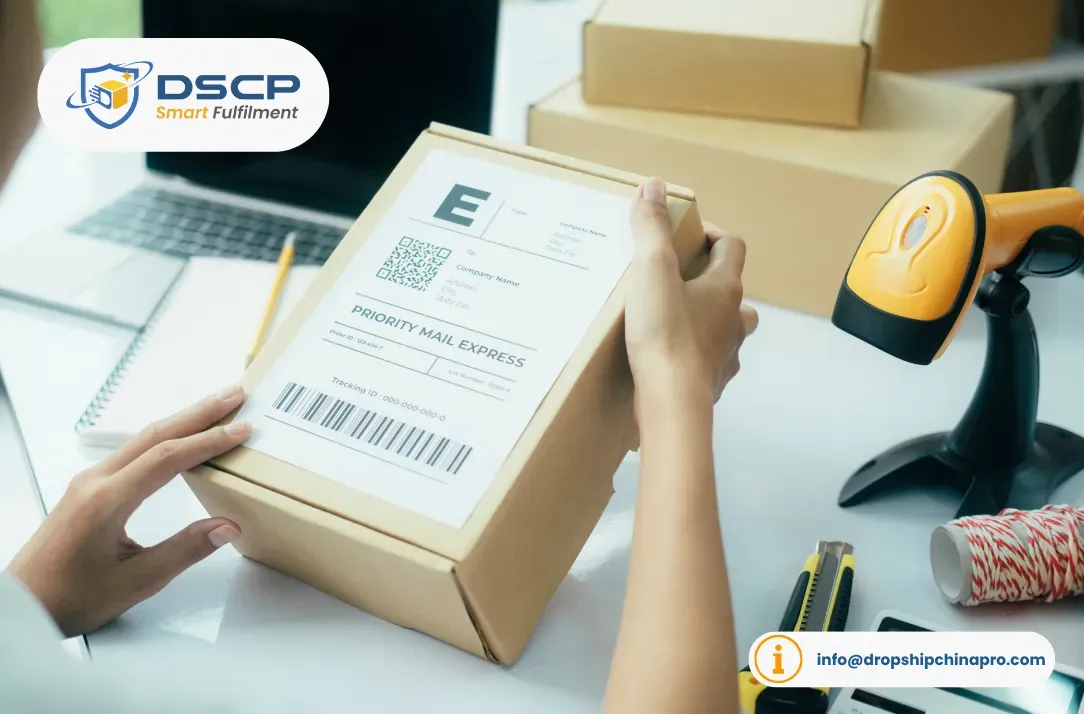
Let’s face it, shipping delays can be a real pain in the neck for both you, the dropshipper, and your customers. But hey, they’re not the end of the world. You can definitely minimize the impact of these pesky delays by following a few simple strategies.
First off, it’s all about setting the right expectations. You know that saying, “Honesty is the best policy?” Well, it applies here too. Make sure you’re up front about your shipping times on your website. This helps manage your customers’ expectations, and trust me, they’ll appreciate the transparency.
Next up, it’s all about picking the right partners. Choosing suppliers who not only offer reliable shipping methods but also provide tracking information is key. Why? Because it gives both you and your customers peace of mind. Plus, it’s always nice to know where your stuff is, right?
Now, let’s say a delay does happen. It’s not the end of the world. The key here is to keep the lines of communication open. Inform your customers about any potential delays and offer them proactive solutions. This could be anything from expedited shipping to refunds. Remember, a problem is only as big as the solution you offer.
4) Mastering Customer Service
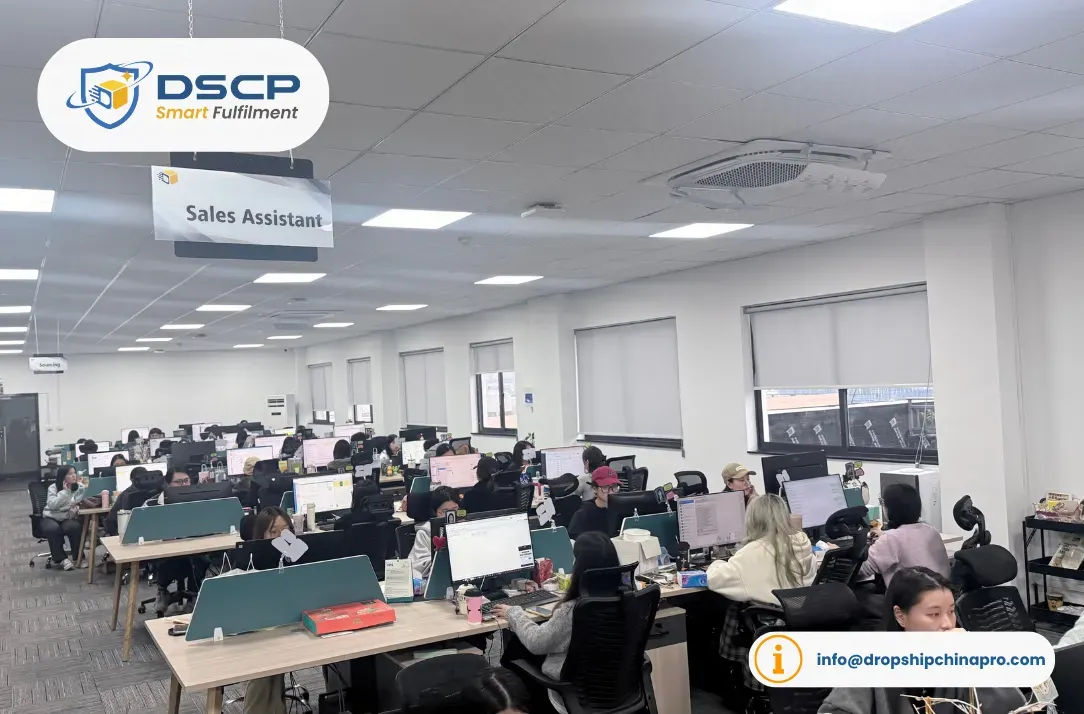
As a dropshipper, you’re not just selling products; you’re selling an experience. And a big part of that experience is customer service. Providing top-notch customer service is not just important, it’s essential for the success of your business. So, how do you do it? Let’s break it down.
First things first, response time. In the world of customer service, speed is king. Respond to customer inquiries as quickly as possible and always maintain a professional tone. The quicker you respond, the more valued your customers will feel.
Transparency is another key factor. Be clear about shipping times, product availability, and any potential issues that might arise. It’s better to be upfront about a problem than to have your customers find out the hard way. Trust me, they’ll appreciate the honesty.
Finally, make returns and refunds a breeze. Offering hassle-free returns and refunds is a great way to build trust with your customers. It shows them that you stand by your products and are willing to make things right if they’re not satisfied. And let’s be honest, who doesn’t love a risk-free purchase?
5) Creating a Dropshipping Brand That Shines

Dropshipping can feel a bit like a crowded dance floor, and you want to be the one busting the coolest moves. Building a strong brand is your ticket to standing out and achieving long-term success. So, how do you create a brand that’s truly unique? Let’s dive in.
First, find your groove. Focus on a specific niche or target audience to create a unique selling proposition. This helps you stand out from the crowd and gives your customers a reason to choose you over the competition. It’s like being the only one rocking a killer outfit at a party – people will notice.
Next, invest in your look. A professional brand image, including a well-designed website and logo, is essential. Think of it as your brand’s wardrobe – it should be stylish, cohesive, and memorable. After all, you wouldn’t show up to a party wearing a potato sack, right?
Finally, go the extra mile. Offer value-added services that make your customers feel special. This could be anything from personalized packaging to handwritten thank-you notes. These little touches can make a world of difference. It’s like offering a guest at your party their favorite drink – they’ll appreciate the thoughtfulness.
6) Keeping Your Finger on the E-Commerce Pulse
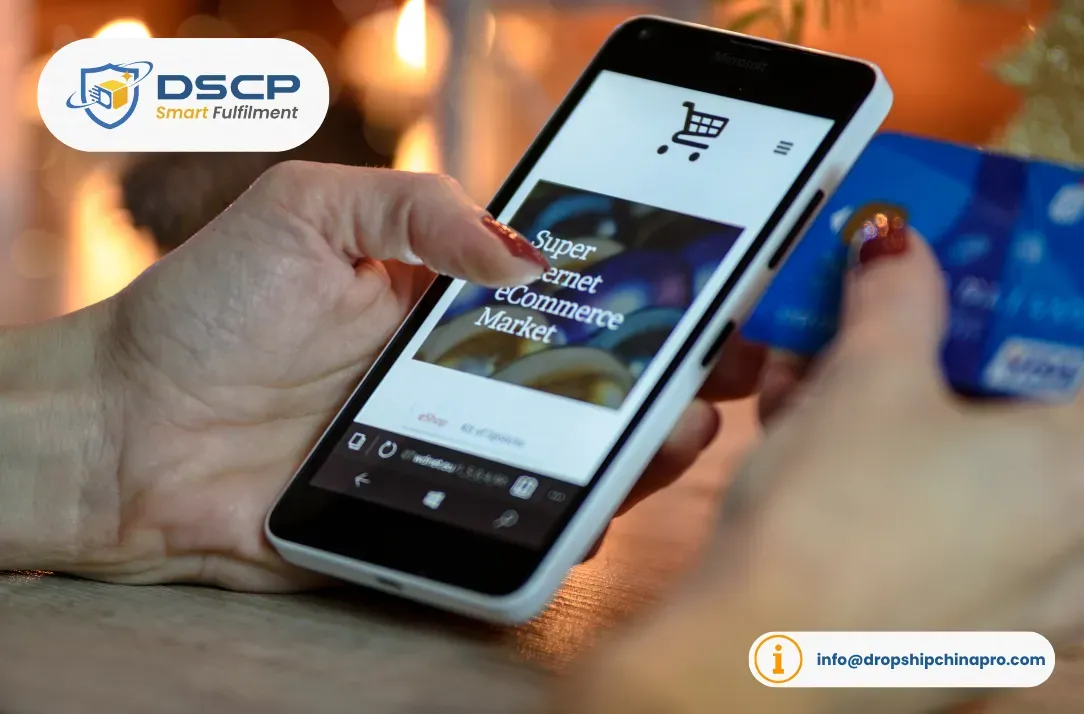
In the ever-changing world of e-commerce, staying updated with market trends is like having an all-access pass to the coolest parties. Staying in the know is crucial for staying competitive, so let’s talk about how you can keep your finger on the pulse.
First, become a social butterfly. Follow industry blogs, forums, and social media groups to stay informed about the latest trends and developments. It’s like having an inside scoop on all the hottest gossip – you’ll always be in the know.
Next, don’t be afraid to mingle. Attend trade shows and conferences to network with other dropshippers and learn from industry experts. It’s like going to a party and making friends with the DJ – you’ll get access to all the best tunes (or, in this case, tips and insights).
Finally, keep an eye on your own dance moves. Continuously analyze your sales data and customer feedback to identify emerging trends and adapt your product offerings accordingly. It’s like watching a video of yourself dancing – you can see what works, what doesn’t, and make adjustments to improve. Further reading for the 10 Proven Dropshipping Strategies to Dominate in 2026.
Real-World Success Story: How Sarah Transformed Her Struggling Dropshipping Store
The Challenge
Sarah Chen launched her home decor dropshipping store in early 2024 with high hopes, but within three months, she was drowning in customer complaints. Her average shipping time was 25-35 days from China, her return rate hit 18%, and negative reviews were piling up. She was on the verge of shutting down.
The Breaking Point
“I had a customer order a birthday gift that arrived three weeks late and damaged,” Sarah recalls. “She left a 1-star review, and I realized I had no control over my own business. I was just a middleman with an angry customer base.”
The Solution
Sarah made three critical changes:
- Switched to hybrid fulfillment – She partnered with DSCP to store best-selling items in their California warehouse, reducing shipping times from 30 days to 3-5 days for 70% of her orders.
- Implemented quality control – Before warehousing products, DSCP inspected each shipment from her Chinese suppliers, catching defects before they reached customers.
- Set transparent expectations – She updated her website with clear shipping timelines: “US warehouse items: 3-5 days | Direct from supplier: 15-25 days” and added real-time inventory indicators.
The Results (After 6 Months)
| Challenge | Proven Solution |
|---|---|
| Long Shipping Times (25-35 days) | Use hybrid fulfillment with US warehouses for best-sellers |
| Unreliable Supplier Quality | Implement quality inspections before warehousing products |
| Inventory Stockouts | Use automated inventory management software with real-time alerts |
| High Return Rates (15-20%) | Set clear product expectations and offer easy return policies |
| Low Customer Trust | Build strong brand identity and provide transparent tracking |
| Thin Profit Margins (10-15%) | Focus on niche markets and add value through bundling |
Sarah’s Key Takeaway
“The biggest lesson? You can’t build a real business on 30-day shipping times and unreliable quality. Investing in US-based fulfillment felt expensive at first, but it paid for itself within two months through reduced returns and increased repeat purchases. Now I actually control my customer experience.”
FAQs for Dropshipping Challenges
What is the biggest problem with dropshipping?
The biggest problem with dropshipping is finding reliable suppliers who consistently deliver quality products on time. Supplier issues account for most customer complaints, including long shipping times, poor product quality, and inventory discrepancies. Working with vetted suppliers and maintaining backup options helps mitigate this challenge.
What is the hardest part about dropshipping?
Managing customer expectations while having no direct control over inventory and shipping is the hardest part of dropshipping. Unlike traditional retail, you depend entirely on third-party suppliers for fulfillment, making it difficult to guarantee delivery times or handle quality issues immediately.
What is a dropshipping challenge?
A dropshipping challenge is any obstacle that prevents smooth business operations, from supplier reliability and inventory management to shipping delays and customer service issues. Common dropshipping challenges include high competition, thin profit margins, and maintaining quality control without physically handling products.
Why do 90% of dropshippers fail?
Most dropshippers fail because they underestimate the competition, choose unreliable suppliers, and lack proper marketing strategies. Many newcomers expect passive income but don’t invest in customer service, brand building, or market research. Success requires treating dropshipping as a real business, not a get-rich-quick scheme.
Is dropshipping dead in 2026?
No, dropshipping is not dead in 2026. While competition has increased, successful dropshippers are thriving by focusing on niche markets, building strong brands, and providing exceptional customer service. The business model continues to evolve with better supplier networks, faster shipping options, and improved automation tools.
Where do most dropshippers fail?
Most dropshippers fail in three areas: supplier selection, customer service, and marketing. They partner with low-quality suppliers, fail to respond quickly to customer inquiries, and don’t invest enough in targeted advertising. Without differentiating their brand, they compete solely on price, leading to unsustainable margins.
What are the biggest mistakes dropshippers make?
The biggest mistakes include choosing products without market research, selecting suppliers based only on price, neglecting customer service, and failing to build a recognizable brand. Many also underestimate shipping times, don’t test products before selling, and ignore the importance of mobile-optimized websites.
Turning Dropshipping Challenges Into Opportunities
Overcoming dropshipping challenges in 2026 isn’t about avoiding problems—it’s about having the right systems in place to handle them effectively. The most successful dropshippers don’t have fewer challenges; they simply respond faster, communicate better, and continuously optimize their operations.
Start by implementing one strategy at a time. Focus first on securing reliable suppliers, then build out your customer service systems, strengthen your brand identity, and establish inventory management processes. Each improvement compounds over time, creating a resilient business that can weather market changes and supplier issues.
The dropshipping landscape will continue to evolve, but the fundamentals remain constant: deliver high-quality products, communicate transparently with customers, and build a brand people trust. Master these six dropshipping challenges, and you’ll position yourself among the top 10% of dropshippers who build sustainable, profitable businesses.
Ready to tackle your biggest dropshipping challenge? Start with supplier vetting today—it’s the foundation everything else is built on.

Hi, I’m Yavuz. I help e-commerce businesses grow through strategic content. Here, I share insights on fulfillment solutions, 3PL partnerships, and digital marketing strategies based on real data and industry trends.