
Finding trustworthy China suppliers for ecommerce remains one of the most critical decisions for online sellers. With global ecommerce sales projected to reach $6.3 trillion in 2024 (Statista, 2024), the stakes have never been higher for securing quality suppliers who deliver consistent results without compromising your brand reputation.
The challenge isn’t finding suppliers. A simple search returns thousands of options across Alibaba, Global Sources and Made-in-China. The real challenge is identifying which suppliers will maintain quality standards, communicate effectively and protect your business from the costly mistakes that derail many ecommerce ventures. This guide provides a systematic approach to vetting reliable China suppliers, implementing quality controls and building partnerships that support sustainable growth.

Key Takeaways: Finding Reliable Ecommerce Suppliers in China
- Verification Process Matters: Business licenses, factory audits and third-party certifications separate legitimate manufacturers from trading companies posing as direct sources.
- Quality Control is Non-Negotiable: Pre-shipment inspections and product testing prevent the 15-20% defect rates common with unvetted suppliers.
- Communication Standards Predict Success: Response times, technical understanding and transparency about capabilities indicate long-term reliability.
- Sourcing Agents Reduce Risk: Professional vetting, on-ground verification and quality oversight eliminate the most common supplier relationship failures.
- Strategic Partnerships Beat Transactional Relationships: Long-term supplier relationships deliver better pricing, priority production and consistent quality that one-off orders cannot match.
Why China Remains the Manufacturing Hub for Ecommerce
China accounts for approximately 28% of global manufacturing output, producing everything from electronics to textiles at scales unmatched by other countries (United Nations Industrial Development Organization, 2023). For ecommerce businesses, this manufacturing dominance translates into several competitive advantages that make product sourcing China operations essential for growth:
- Flexible Production Scale: Whether you need 100 units to test a new product or 10,000 units to fulfill seasonal demand, Chinese factories accommodate varying order volumes with infrastructure supporting both mass production and customization.
- Cost Efficiency: Despite rising labor costs in coastal regions, many factories maintain competitive pricing through inland relocation, advanced automation and process optimization. However, the lowest price rarely indicates the best value.
- Specialized Manufacturing Expertise: From custom packaging for beauty products to private label electronics in Shenzhen’s manufacturing ecosystem, specialized factories provide category-specific expertise rather than generalist manufacturing.
- Production Capacity: The infrastructure supports rapid scaling for businesses experiencing growth or seasonal fluctuations, with established supply chains and logistics networks enabling quick turnaround times.
Suppliers offering prices 20-30% below market averages often cut corners on quality control, raw materials or ethical labor practices. The goal is to find suppliers who balance competitive pricing with consistent quality standards.
The Real Challenges of Working With Chinese Suppliers
Understanding the obstacles helps ecommerce businesses prepare effective solutions rather than discovering problems after placing orders.
Quality Control Inconsistencies
Product quality varies dramatically between suppliers, even those manufacturing identical items. A supplier’s sample might meet all specifications, but bulk production could introduce defects if quality control processes lack rigor. Industry data suggests that businesses working with unvetted suppliers experience defect rates between 15-20%, resulting in returns, refunds and damaged brand reputation.
Quality issues stem from multiple sources:
- Material Substitutions: Factories replace specified materials with cheaper alternatives to maintain profit margins without informing buyers.
- Inconsistent Quality Control: Lack of standardized procedures leads to batch-to-batch variations where early production meets standards, but later batches decline.
- Communication Gaps: Products technically meet stated requirements but fail to match buyer expectations due to specification misunderstandings.
- Production Shortcuts: Time pressure or capacity constraints cause factories to skip quality verification steps during peak production periods.
These quality failures create cascading problems beyond immediate product defects. Customer satisfaction drops, return processing costs increase and brand reputation suffers from negative reviews highlighting product quality issues.
Verification and Fraud Risks
The ease of creating professional-looking websites and supplier profiles makes distinguishing legitimate manufacturers from fraudulent operations increasingly difficult. Trading companies frequently represent themselves as factory-direct sources, adding markup without providing manufacturing value. Some profiles on B2B platforms use stolen factory photos and certifications, disappearing after receiving payment.
Business verification requires more than checking a supplier’s claimed credentials. Authentic verification involves confirming business licenses through government databases, conducting factory audits to verify manufacturing capabilities and requesting references from existing clients in similar industries.
Communication and Cultural Differences
Language barriers extend beyond translation challenges. Technical specifications, quality standards and business practices require a shared understanding that simple translation cannot always provide. Some suppliers hesitate to ask clarifying questions when specifications seem unclear, proceeding with their interpretation rather than confirming requirements.
Time zone differences complicate real-time communication. When issues arise during production, the 12-hour difference between US business hours and Chinese factory operations can delay problem resolution by a full day. Clear documentation, detailed specifications and established communication protocols help mitigate these challenges.
Intellectual Property Concerns
Product designs, unique features and proprietary processes face potential copying when working with wholesale china suppliers. Some factories manufacture your product as specified while simultaneously producing similar items for competitors or their own brands. Others share your designs with factory networks, making your product widely available before you’ve established market presence.
Protecting intellectual property requires legal agreements, but enforcement across international borders presents practical challenges. Non-disclosure agreements (NDAs) and manufacturing contracts provide some protection, yet prevention through careful supplier selection proves more effective than legal action after violations occur.
Supplier Vetting Timeline
| Phase | Duration |
|---|---|
| Initial Research | 1 week |
| Sample Ordering & Testing | 2-3 weeks |
| Factory Audits | 1-2 weeks |
| Reference Checks | 1 week |
| Total Vetting Time | 4-8 weeks |
How to Find and Vet China Suppliers: A Step-by-Step Process
Successful supplier relationships begin with a systematic evaluation that goes beyond reviewing supplier profiles on B2B platforms.
Research Phase: Identifying Potential Suppliers
Start by defining your exact requirements. Product specifications, minimum order quantities, quality standards, packaging needs and shipping timelines establish the foundation for supplier searches. Vague requirements lead to mismatched partnerships and wasted time.
Online B2B marketplaces like Alibaba, Global Sources and Made-in-China provide initial supplier discovery. Use platform filters to identify suppliers with relevant certifications (ISO 9001, BSCI, SA8000), verified business status and trade assurance programs. Pay attention to response rates, years in business and customer reviews, though these indicators require additional verification.
Industry trade shows offer direct supplier interaction. The Canton Fair, held twice yearly in Guangzhou, remains the world’s largest import-export event with over 25,000 exhibitors. In-person meetings allow you to assess factory representatives, examine product samples and establish relationships that online communication cannot replicate.
Sourcing agents and third-party logistics providers with on-ground operations in China provide pre-vetted supplier networks. These organizations conduct factory audits, verify business credentials and maintain relationships with manufacturers across product categories, eliminating much of the preliminary research burden.
Top B2B Platforms for China Sourcing
| Platform | Best For |
|---|---|
| Alibaba | Bulk orders, verified suppliers, Trade Assurance |
| Global Sources | Electronics, tech products, verified manufacturers |
| Made-in-China | Export-ready factories, competitive pricing |
| DHgate | Small orders, dropshipping, sample testing |
| 1688.com | Domestic Chinese market, lowest prices |
Initial Contact and Assessment
First communications reveal critical information about supplier capabilities and professionalism. Send detailed product inquiries, including specifications, quantity requirements, quality standards and timeline expectations. Professional suppliers respond within 24-48 hours with specific answers, relevant questions about your requirements and accurate pricing information.
Red flags in initial communications include:
- Vague Responses: Answers that don’t address specific questions or provide generic information applicable to any product.
- Unrealistic Pricing: Extremely low prices without explanation of cost structure or how they achieve pricing 30-40% below competitors.
- Credential Reluctance: Unwillingness to provide business licenses, factory information or verifiable company details.
- Pressure Tactics: Pushing for immediate decisions, limited-time offers or urgent payment without allowing proper due diligence time.
- Payment Method Requests: Suggesting unusual payment methods outside standard business practices or platform protections.
Request business licenses and registration certificates. Verify these documents through official channels like China’s National Enterprise Credit Information Publicity System. Confirm that the registered business matches the supplier’s claimed identity, operating address and business scope.
Supplier Red Flags vs Green Flags
| Red Flags | Green Flags |
|---|---|
| Prices 30%+ below market average | Competitive pricing with clear breakdown |
| Vague or delayed responses | Responds within 24-48 hours |
| Refuses factory visits or audits | Welcomes factory visits and inspections |
| No verifiable business license | Provides verified certifications (ISO, BSCI) |
| Pressure for immediate payment | Offers standard payment terms and contracts |
Sample Ordering and Testing
Never skip the sampling phase, regardless of time pressure or supplier assurances. Order samples that reflect your final product specifications, paying for samples at quoted prices. Suppliers offering numerous variations or customizations should provide samples of each variation to confirm consistency across product lines.
Evaluate samples against multiple criteria:
- Product Quality: Construction integrity, finish quality and overall craftsmanship meet your brand standards.
- Materials Used: Raw materials match specifications without unauthorized substitutions affecting durability or appearance.
- Construction Methods: Assembly techniques, stitching, welding or joining methods demonstrate manufacturing competence.
- Packaging Quality: Protective packaging adequately protects products during shipping and presents well for the customer’s unboxing experience.
- Shipping Condition: Products arrive undamaged, indicating proper handling and packaging for international logistics.
Compare samples from multiple suppliers to identify quality differences and value propositions. The cheapest sample doesn’t always represent the best long-term value when defect rates and consistency factors are considered.
Third-party testing verifies that products meet safety standards and regulatory requirements for your target market. For products sold in the United States, testing against Consumer Product Safety Commission (CPSC) standards prevents costly recalls and legal liability. For EU markets, CE certification testing ensures compliance with European safety, health and environmental requirements.
Factory Audits and Verification
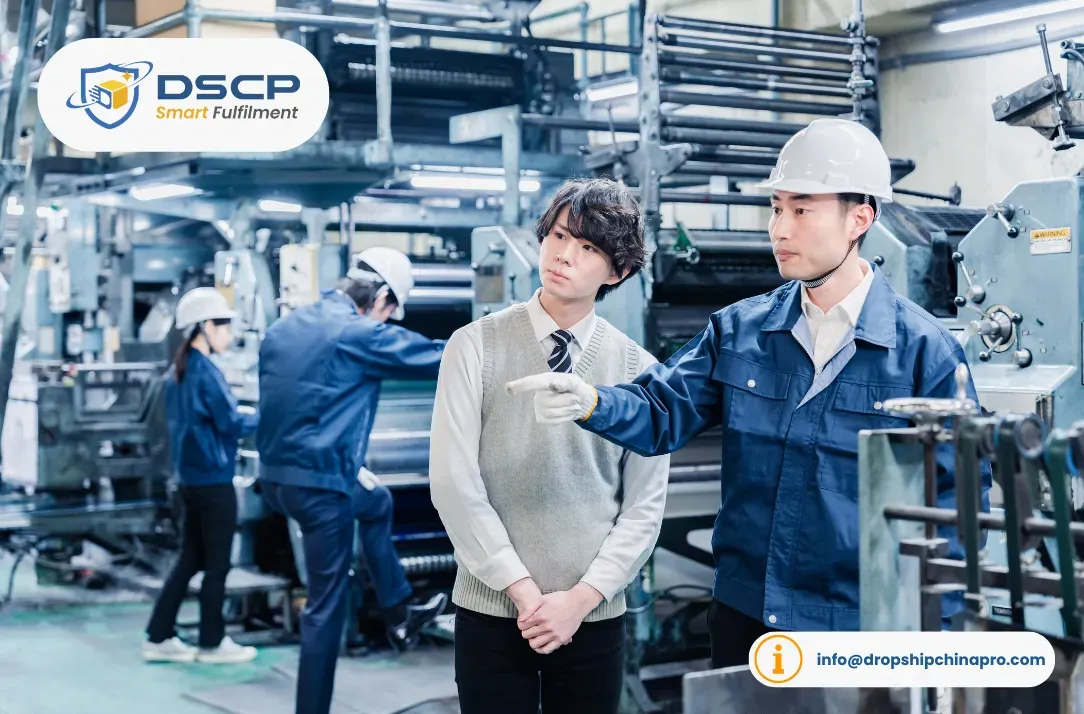
On-site factory visits provide verification that online research cannot match. Walking through production facilities reveals actual manufacturing capabilities, equipment quality, workforce size and operational practices. Many businesses discover during factory visits that “manufacturers” are actually trading companies operating from office buildings.
Professional factory audits through third-party inspection companies offer systematic evaluation when personal visits aren’t feasible. Auditors assess factory infrastructure, production capacity, quality control systems, worker conditions and management practices. Audit reports provide objective data for comparing multiple suppliers and identifying potential operational risks.
Review the factory’s client portfolio and request references. Speaking with current clients about their experiences provides practical insights into communication patterns, quality consistency, problem resolution and long-term reliability. Ask specific questions about defect rates, lead time accuracy and how the factory handles production issues.
Negotiation and Relationship Building
Price negotiations matter, but focusing exclusively on the lowest cost typically backfires. Discuss the total cost of ownership, including product quality, defect rates, shipping efficiency and customer service burden from quality issues. A supplier charging 10% more but delivering 5% lower defect rates provides better value than the cheapest option.
Establish clear quality standards through detailed specifications, acceptable quality limits (AQL) and inspection procedures. Document these standards in writing, ensuring both parties understand expectations before production begins. Ambiguity about quality requirements causes most supplier relationship failures.
Start with smaller orders to test reliability before committing to large-volume production. Initial orders reveal how suppliers handle production, communicate about progress and respond to issues. Successful small orders build a foundation for scaling volume while maintaining quality standards.
Quality Control Inspection Types
| Inspection Type | When to Use |
|---|---|
| Pre-Production Inspection | Before mass production begins |
| During Production Inspection | When 30-50% production complete |
| Pre-Shipment Inspection | After production, before shipping |
| Container Loading Inspection | During container loading process |
Quality Control and Risk Management Strategies
Protecting your business requires systematic quality oversight throughout the manufacturing process.
Pre-Production Inspections
Before factories begin mass production, confirm that raw materials, components and processes match approved specifications. Pre-production inspections catch material substitutions, process changes or misunderstandings about requirements before hundreds or thousands of units are manufactured incorrectly. This inspection stage provides your last opportunity to make adjustments before production investment is committed.
During Production Monitoring
For large orders or new supplier relationships, monitoring production progress ensures factories maintain quality standards throughout manufacturing runs. Random inspections during production identify quality drift, where factories start strong but reduce quality control as production continues. Early detection allows immediate correction rather than discovering problems during final inspection.
Pre-Shipment Inspections
Final quality control happens before products leave the factory. Pre-shipment inspections verify that finished products meet specifications, packaging meets requirements and quantities match orders. Professional inspection companies provide objective evaluation using internationally recognized AQL standards, documenting findings with detailed reports and photographic evidence.
Inspection reports give you decision power. If products fail to meet standards, you can request rework, negotiate price adjustments or reject shipments before incurring shipping costs for defective merchandise. This leverage disappears once products ship.
Building Supplier Relationships for Long-Term Success
Transactional supplier relationships focus on individual orders. Strategic partnerships deliver sustained value through improved pricing, production priority and quality consistency. Suppliers invest more effort in clients who demonstrate long-term commitment through consistent orders, professional communication and fair business practices.
Regular communication beyond order placements strengthens relationships. Share market feedback about product performance, provide advance notice of upcoming seasonal demands and acknowledge when suppliers handle challenges effectively. This engagement transforms you from one of many clients into a valued business partner.
Visit factories periodically, even after establishing successful relationships. In-person visits demonstrate commitment, allow you to meet new factory personnel and keep you informed about facility improvements or capacity changes. These visits often reveal opportunities for product improvements or new capabilities that email communication would miss.
The Role of Sourcing Agents in Ecommerce Supply Chains
Sourcing agents bridge the gap between ecommerce businesses and Chinese manufacturing, providing local expertise that international buyers cannot easily replicate.
When Sourcing Agents Add Value
Businesses benefit from professional sourcing agents in several scenarios:
- Limited Manufacturing Knowledge: Companies entering Chinese sourcing without established supplier relationships or understanding of manufacturing processes gain immediate access to verified factory networks and quality control expertise.
- Product Customization Needs: Custom products and private label development require detailed technical coordination, benefiting from local presence to ensure specifications are understood and production matches approved standards.
- Quality-Sensitive Categories: Products where defects carry significant brand risk (cosmetics, children’s products, electronics) justify professional oversight through multi-stage inspection protocols and factory audits.
- Language and Cultural Barriers: Agents fluent in Mandarin handle communication nuances, technical specifications and cultural business practices that international buyers find challenging.
- Time and Resource Constraints: Businesses lacking staff to manage supplier verification, quality inspections and logistics coordination benefit from comprehensive sourcing support.
Agents maintain relationships with verified factories, conduct on-ground inspections and handle communication in Mandarin, eliminating many obstacles that complicate direct sourcing.
How Professional Sourcing Works
Comprehensive sourcing services begin with understanding your product requirements, quality standards and business objectives. Professional sourcing agents provide end-to-end support:
- Factory Identification: Agents identify suitable manufacturers from verified networks based on your specific product category, volume requirements and quality standards.
- Quote Coordination: Request and compare pricing from multiple factories, ensuring apples-to-apples comparisons across MOQs, payment terms and production timelines.
- Sample Management: Coordinate sample production, arrange international shipping and facilitate modifications based on your feedback.
- Quality Control: Implement pre-production inspections, during-production monitoring and pre-shipment final inspections with detailed photographic documentation.
- Production Oversight: Monitor manufacturing progress, communicate updates and address issues immediately before they affect delivery times.
- Logistics Coordination: Handle factory pickup, order consolidation from multiple manufacturers, customs documentation and freight forwarding to your destination.
This eliminates the research phase and connects you directly with pre-vetted manufacturers while ensuring quality compliance throughout production.
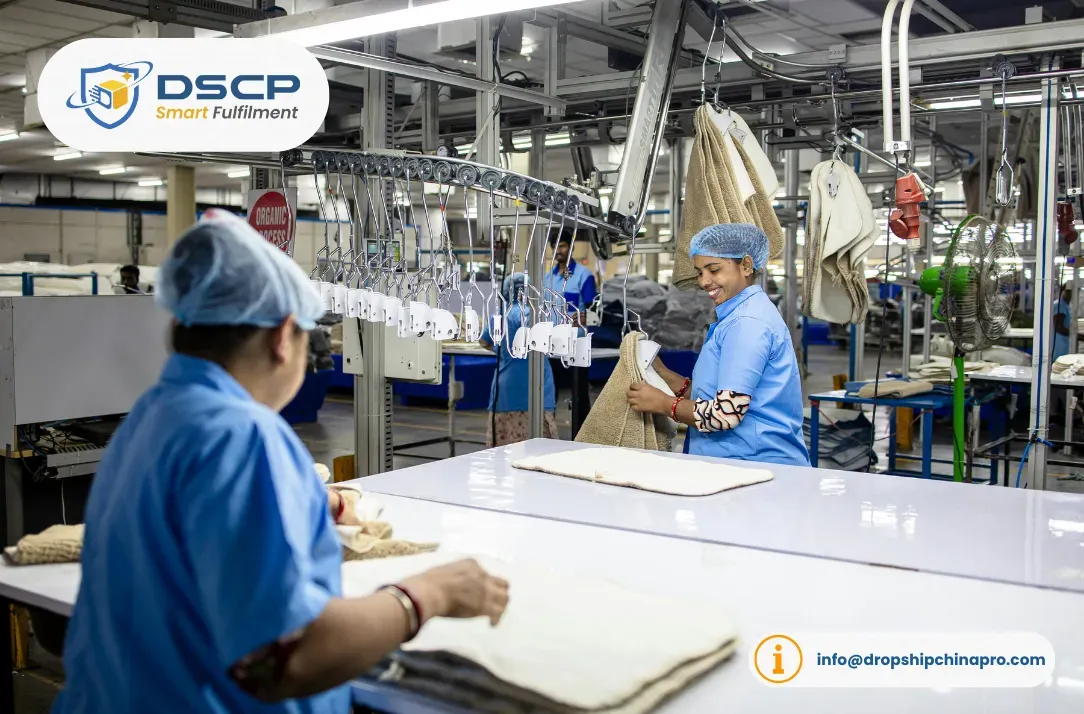
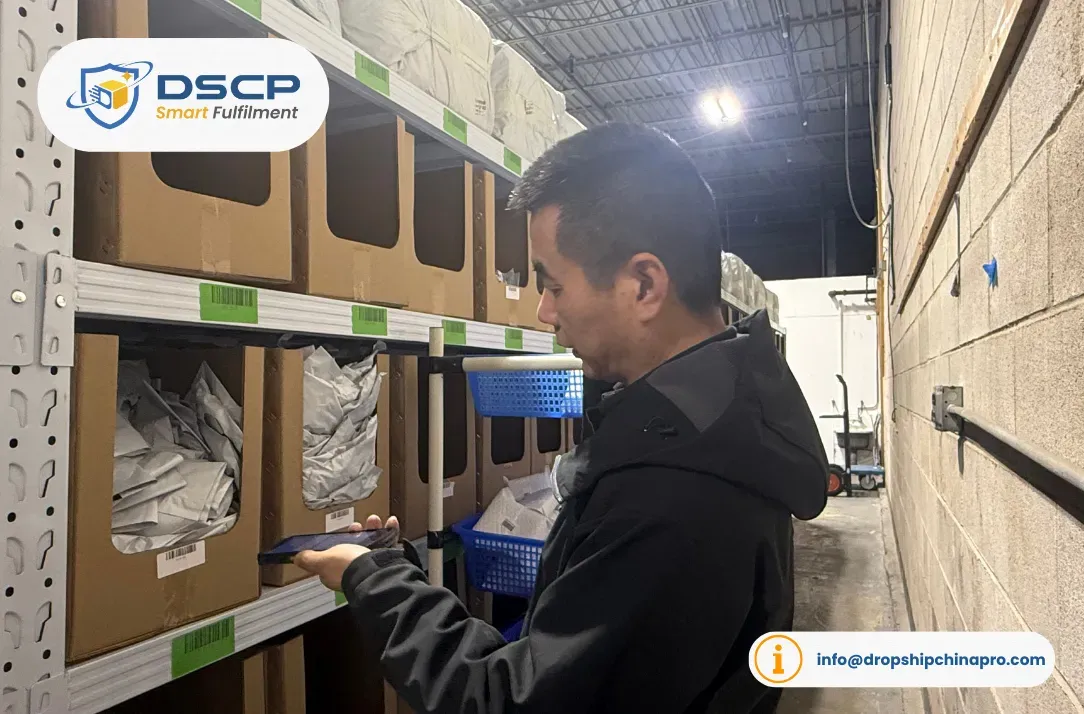
DSCP Smart Fulfillment combines sourcing expertise with integrated fulfillment services, providing end-to-end solutions from factory verification through final delivery. With access to over 1,000 verified factories and fulfillment centers in Hangzhou, Dongguan, Los Angeles and New Brunswick, the platform supports businesses seeking reliable ecommerce suppliers in China while maintaining operational flexibility. Integration with Shopify and WooCommerce through the DSCP Fulfillment app streamlines order management across sourcing and fulfillment operations.
Real Success Story: How Strategic Sourcing Transformed an Ecommerce Business
Thomas Bennett launched a sustainable home goods store in 2023, sourcing bamboo kitchenware from suppliers found through basic Alibaba searches. His first three shipments arrived with defect rates between 18-22%, forcing him to issue refunds, absorb return shipping costs and damage his brand’s reputation for quality.
After calculating that defects cost him approximately $12,000 in his first six months, Thomas partnered with a professional sourcing agent who conducted factory audits of his existing suppliers and identified two alternative manufacturers with stronger quality control systems. The agent implemented three-stage inspection protocols, including material verification, mid-production checks and final pre-shipment inspection.
Within three months of switching to verified suppliers with systematic quality oversight, Thomas’s business transformed:
- Defect Rate Reduction: Dropped from 18-22% to just 3%, virtually eliminating quality-related returns and refunds.
- Customer Satisfaction: Increased from 3.8 to 4.7 stars as product quality met customer expectations consistently.
- Return Rate Improvement: Decreased by 84%, reducing customer service burden and return processing costs.
- Repeat Purchase Growth: Increased by 41% as satisfied customers returned for additional purchases.
- Pricing Power: Quality improvements allowed 12% price increases while maintaining conversion rates as customers recognized superior product value.
The sourcing partnership revealed additional opportunities. Factory audits uncovered production capacity for product line extensions that Thomas’s original suppliers couldn’t manufacture. Within one year, Thomas expanded from 12 products to 34 products across three categories, all sourced through verified factories with proven quality records.
Thomas’s experience demonstrates that supplier quality directly impacts every business metric. The investment in professional sourcing services paid for itself within the first corrected shipment by eliminating defects, improving customer satisfaction and expanding product opportunities.
Essential Supplier Certifications
| Certification | What It Verifies |
|---|---|
| ISO 9001 | Quality management systems |
| BSCI | Social compliance and ethical labor |
| CE | European safety standards |
| FCC | US electronics compliance |
| RoHS | Restriction of hazardous substances |
FAQs: Finding Reliable China Suppliers for Ecommerce
How do I verify a Chinese supplier is legitimate?
Request business licenses and verify them through China’s National Enterprise Credit Information Publicity System. Conduct factory audits either in person or through third-party inspection services to confirm manufacturing capabilities match claims. Check references from existing clients and verify certifications through issuing organizations rather than accepting supplier-provided documents.
What certifications should I look for in ecommerce suppliers?
ISO 9001 indicates quality management systems, BSCI certification covers social compliance and ethical labor practices, and product-specific certifications depend on your category. Electronics suppliers should provide CE, FCC or RoHS certifications. Textile suppliers need Oeko-Tex or GOTS for organic products. Always verify certifications directly with issuing bodies.
Should I work with trading companies or direct manufacturers?
Direct manufacturers typically offer better pricing and faster communication about production issues. However, reputable trading companies provide value when sourcing multiple product categories, handling small orders below factory minimums or requiring additional services like packaging customization. Evaluate based on your specific needs rather than assuming one model is universally superior.
How long does supplier vetting typically take?
Thorough vetting requires 4-8 weeks, depending on product complexity and verification depth. This includes initial research (1 week), sample ordering and testing (2-3 weeks), factory audits (1-2 weeks) and reference checks (1 week). Rushing this process to save time usually results in supplier problems that cost far more time and money to resolve.
What are typical minimum order quantities from Chinese suppliers?
MOQs vary dramatically by product category and factory. Consumer electronics might require 500-1,000 units, while textiles could start at 100-300 units per design. Custom products typically demand higher MOQs than standard items. Some factories offer lower MOQs for initial orders, increasing requirements for reorders.
How do I handle intellectual property protection?
Use comprehensive NDAs and manufacturing agreements that specify IP ownership and usage restrictions. Register trademarks and patents in China through the Chinese Trademark Office and the State Intellectual Property Office. Work with suppliers who demonstrate respect for IP through their client portfolios and contractual commitments. Prevention through careful supplier selection proves more effective than legal action after violations.
What payment terms are standard with Chinese suppliers?
New relationships typically require 30% deposit with 70% balance before shipping. Established relationships might negotiate net 30 or net 60 terms. Use platform escrow services like Alibaba’s Trade Assurance for new suppliers. A letter of credit provides protection for large orders but adds banking fees and complexity.
When should I use a sourcing agent versus going direct?
Consider sourcing agents when entering new product categories, handling complex customization, managing quality-sensitive products or lacking manufacturing knowledge. Direct relationships work better for simple products with established specifications, high-volume orders that justify the management time or when you have Chinese language capabilities and manufacturing expertise.
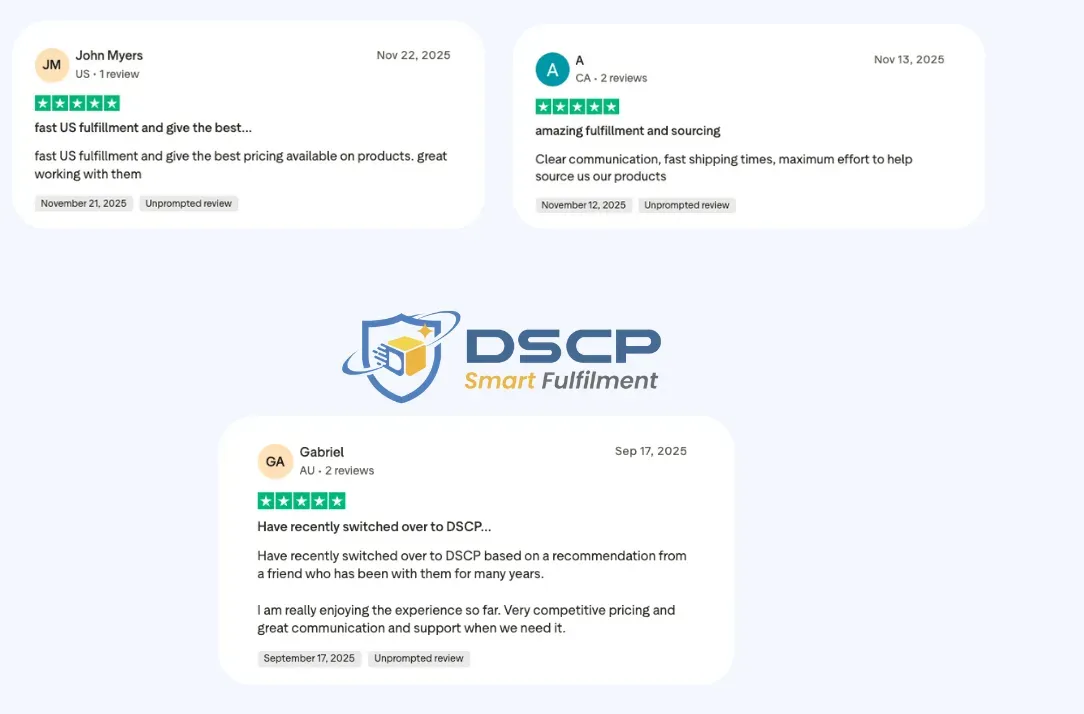
What Ecommerce Businesses Say About DSCP’s Sourcing and Fulfillment
Ecommerce sellers across multiple countries trust DSCP Smart Fulfillment to handle their product sourcing and logistics operations.
Gabriel from Australia emphasizes the value of professional partnerships: “Have recently switched over to DSCP based on a recommendation from a friend who has been with them for many years. I am really enjoying the experience so far. Very competitive pricing and great communication and support when we need it.”
A California-based seller highlights the importance of reliable communication in successful sourcing: “Clear communication, fast shipping times, maximum effort to help source our products.” These operational fundamentals determine whether supplier relationships support business growth or create constant problems.
John Myers from the United States values the combination of quality sourcing and competitive fulfillment: “Fast US fulfillment and give the best pricing available on products. Great working with them.” This integration of sourcing and fulfillment services eliminates the coordination challenges of managing separate vendors for procurement and logistics.
Ready to Find Reliable China Suppliers for Your Ecommerce Business?
Finding trustworthy wholesale suppliers from China doesn’t require guesswork or expensive mistakes. Systematic supplier verification, professional quality control and strategic partnerships provide the foundation for sustainable ecommerce growth.
DSCP Smart Fulfillment’s network of over 1,000 verified factories combines sourcing expertise with integrated fulfillment across 13 global warehouses. From product verification and quality inspection to storage and shipping, the platform supports businesses from 100 to 2,000 monthly orders without minimums or long-term commitments.
Integration with major ecommerce platforms takes minutes through the DSCP Fulfillment app, automating order routing, inventory management and shipping coordination. Contact us today to discuss your sourcing needs and discover how professional supplier verification and quality control can eliminate the risks that derail many China e-commerce ventures.
Conclusion: Building Sustainable Supplier Relationships
Success in e-commerce increasingly depends on supply chain reliability. While countless suppliers claim to offer quality products at competitive prices, the systematic verification process separates legitimate partners from sources that will damage your brand and drain resources through quality problems.
The businesses that thrive in competitive ecommerce markets are those that treat supplier relationships as strategic assets rather than transactional conveniences. They invest time in verification, implement quality controls and build partnerships that deliver consistency across months and years of collaboration.
Finding reliable suppliers requires effort upfront, but that investment pays returns through every subsequent order. Lower defect rates reduce customer service burden, consistent quality supports brand reputation and dependable suppliers enable business scaling without operational chaos. Start with thorough verification, maintain systematic quality oversight and build relationships that support your long-term business objectives.
References
- Statista. (2024). “Global Retail E-commerce Sales 2014-2027.” Statista Research Department.
- United Nations Industrial Development Organization. (2023). “International Yearbook of Industrial Statistics 2023.” UNIDO Statistics.
- Consumer Product Safety Commission. (2024). “Import Surveillance and Compliance.” CPSC.gov.

Hi, I’m Yavuz. I help e-commerce businesses grow through strategic content and SEO. Here, I share insights on fulfillment solutions, 3PL partnerships, and digital marketing strategies based on real data and industry trends.