The global private label market stands at a remarkable inflection point. Valued at $915.1 billion in 2024, the industry is projected to surge to $1.6 trillion by 2034, growing at a compound annual growth rate of 5.9% (Market.us, 2024). This explosive growth reflects a fundamental shift in consumer behavior. Shoppers no longer view private label products as inferior alternatives but as premium, personalized choices that deliver exceptional value.
What makes 2026 the ideal time to launch a private label business? Consumer trust has reached unprecedented levels. Over 95% of consumers now purchase private label products regularly, and remarkably, only 2% consider them inferior to national brands (Customcy, 2024). In the United States alone, private label sales hit a record $271 billion in 2024, growing at 3.9% while national brands managed just 1% growth (PLMA, 2025).
This comprehensive guide explores the 12 most profitable private label opportunities for 2026, revealing where smart entrepreneurs are investing and how you can build a sustainable, scalable brand in this thriving market.
Key Takeaways: Your Private Label Success Blueprint
- The global private label market will reach $1.6 trillion by 2034, creating massive opportunities for new entrants across multiple product categories.
- Skincare private label represents the single most profitable opportunity, with the cosmetics market alone valued at $10.64 billion and growing at 5.2% annually.
- Consumer perception has transformed completely. Nearly 90% of shoppers believe private label offers equal or better value than national brands.
- Profit margins in private label typically range 15-25% higher than reselling national brands, while maintaining competitive pricing for customers.
- Starting a private label business requires minimal upfront investment compared to building a brand from scratch, with many manufacturers offering low minimum order quantities.
- E-commerce and direct-to-consumer channels have eliminated traditional barriers, allowing brands to reach global audiences without retail distribution deals.
Why Private Label Matters More Than Ever in 2026
Private label has evolved from a budget alternative to a strategic business model that empowers entrepreneurs to compete with established brands. In 2024, private label sales in the United States reached $271 billion, representing nearly 20% of all consumer packaged goods sales (PLMA, 2024). More importantly, private label products now account for 22.9% of unit sales, demonstrating that volume growth matches value growth.
Consumer attitudes have fundamentally shifted. According to McKinsey research, over 80% of U.S. consumers rate private label food products as equal to or better than national brands, with nearly 90% acknowledging superior value (Customcy, 2024). High-income consumers are driving growth, with 70% of consumers earning over $100,000 annually now selecting grocery stores based on private label offerings.
The e-commerce revolution has removed traditional distribution barriers. Direct-to-consumer brands can now reach customers globally through platforms like Shopify, Amazon, and social media. Manufacturing partnerships provide access to professional formulations and quality control that were previously available only to large corporations. This accessibility means entrepreneurs can test products, gather feedback, and iterate quickly without massive upfront investments.
Private Label Market Growth
| Year | Global Market Value |
|---|---|
| 2024 | $915.1 billion |
| 2026 | $1.02 trillion (projected) |
| 2030 | $1.3 trillion (projected) |
| 2034 | $1.6 trillion (projected) |
What Is Private Label and How Does It Work?
Private label refers to products manufactured by one company but sold under another company’s brand name. Unlike white label products, which are generic items simply rebranded, private label involve selecting specific formulations, customizing packaging, and creating a unique brand identity that resonates with target customers.
The process follows a straightforward path:
- Identify a product category and target market through research and trend analysis
- Partner with manufacturers who provide proven formulations and quality control
- Customize products to match your unique positioning and brand values
- Establish e-commerce infrastructure through Shopify, Amazon, or multi-channel platforms
- Launch with focused product lines and scale based on customer response
The advantages are substantial. Private label businesses control their brand narrative, customer relationships, and profit margins. They avoid price competition that plagues resellers of national brands. Most importantly, they build real equity in a brand that can be scaled or sold. Cost structures favor private label economics because brands leverage targeted digital marketing instead of nationwide advertising, delivering better customer acquisition costs while building authentic relationships that drive loyalty. Private label businesses control their brand narrative, customer relationships, and profit margins. They avoid price competition that plagues resellers of national brands. For more strategies on scaling e-commerce operations, see our proven dropshipping strategies to dominate in 2026
Private Label Profit Margin Guide
| Business Aspect | Typical Range |
|---|---|
| Gross Profit Margin | 40-60% |
| Margin vs National Brands | 15-25% higher |
| Customer Acquisition Cost | Below 25% of revenue |
| Repeat Customer Rate | 30-70% within first year |
The 12 Most Profitable Private Label Opportunities
1. Skincare Private Label
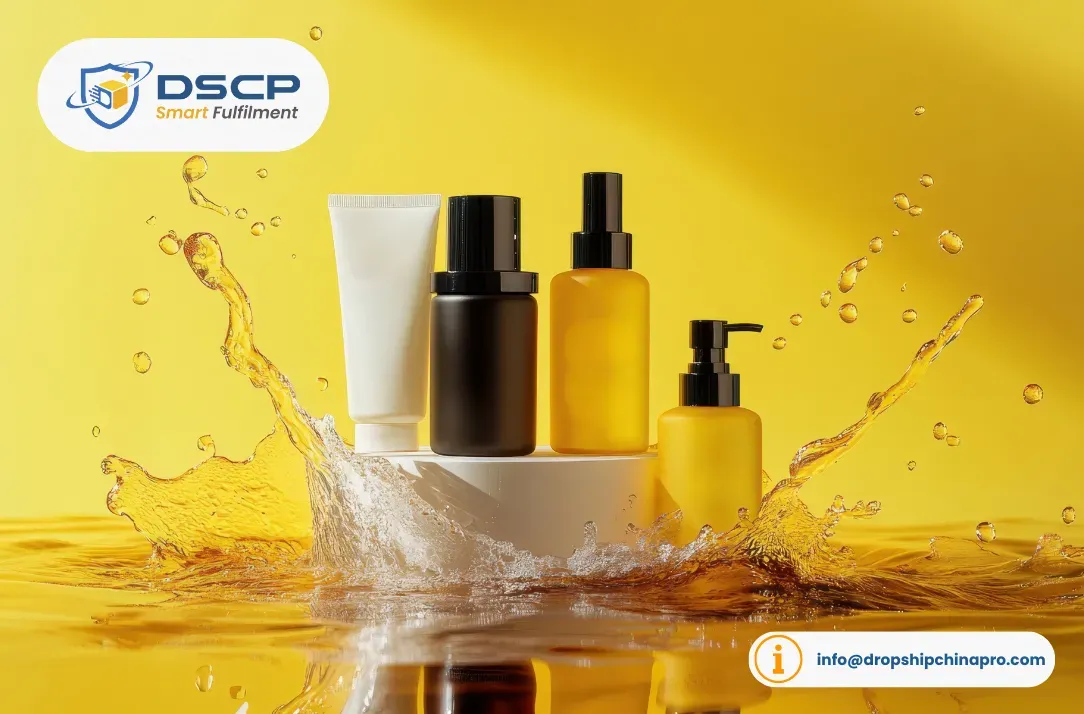
Skincare represents the most lucrative private label opportunity in 2026. The private label cosmetics market, with skincare as its largest segment, reached $10.64 billion in 2024 and projects growth to $14.39 billion by 2030 at a 5.2% CAGR (Grand View Research, 2024). Consumers actively seek products that address specific concerns like anti-aging, acne management, brightening, and hydration. Private label brands can develop specialized formulations for these niche needs, commanding premium prices while maintaining healthy margins.
The segment thrives on clean beauty trends, with consumers demanding natural and sustainable ingredients. Men’s skincare is experiencing explosive growth, projected to expand at a 4.6% CAGR through 2030 (Trilogy Laboratories, 2024). Entry barriers have dropped significantly with manufacturers offering low minimum order quantities and proven formulations. The skincare segment particularly benefits from subscription models and repeat purchase behavior, creating predictable revenue streams once customers find products that work.
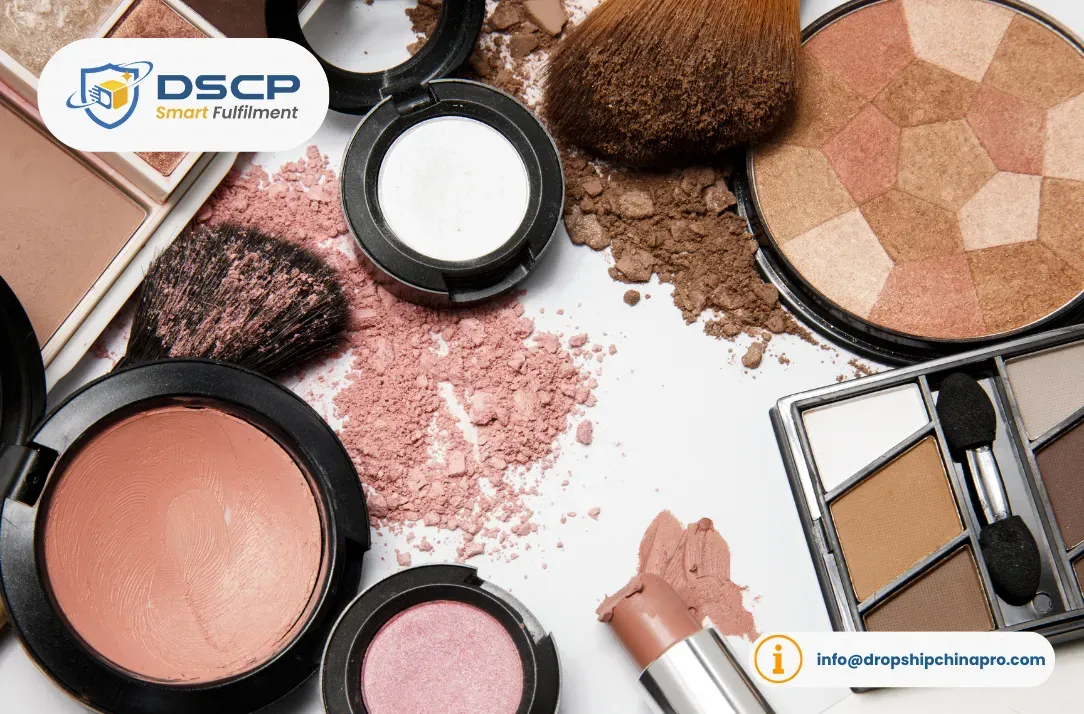
2. Cosmetics and Makeup Products
The cosmetics segment offers tremendous opportunities for brands willing to innovate and differentiate. Color cosmetics, including foundation, lipstick, eyeshadow, and mascara, allow for creative expression and trend-driven launches that generate social media buzz. Today’s successful brands focus on inclusive shade ranges, clean formulations, and specific use cases rather than simple rebranding.
The segment benefits from a strong visual appeal that translates perfectly to social media marketing. Before-and-after transformations, tutorial content, and influencer partnerships drive organic discovery. Technology improvements mean private label manufacturers now produce products rivaling national brand performance at a fraction of the cost. Seasonal launches and limited editions provide opportunities for increased engagement and revenue spikes.

3. Supplements and Vitamins
The supplements category has emerged as one of the fastest-growing private label opportunities. Private label supplements accounted for approximately 20% of the supplement market share in 2024, with the global dietary supplements market projected to reach $230 billion by 2027 (DaVinci Labs, 2024). Consumers seek supplements addressing specific health goals, whether immune support, cognitive function, fitness performance, or healthy aging.
The supplement market rewards education and transparency. Brands that invest in content explaining ingredient benefits, sharing third-party testing results, and providing clear dosage guidance build trust that translates to sales. Manufacturing partnerships have simplified entry with stock formulations offering proven efficacy. The subscription model works exceptionally well, providing predictable revenue and improving customer lifetime value.

4. Organic Skincare
Organic skincare represents a premium subset commanding higher prices while serving mainstream demand. Consumers actively seek products made with natural, sustainably sourced ingredients free from synthetic chemicals, parabens, and artificial fragrances. The organic beauty movement has transitioned from niche trend to mass market expectation, with shoppers across all demographics now prioritizing clean ingredients.
Certification and transparency drive purchase decisions. Brands investing in organic certifications, sharing sourcing stories, and demonstrating environmental commitment build differentiation that justifies premium pricing. The segment particularly resonates with millennial and Gen Z consumers who view purchases as extensions of their identity and values. Specialized manufacturers now offer extensive catalogs of certified organic products, making entry accessible.
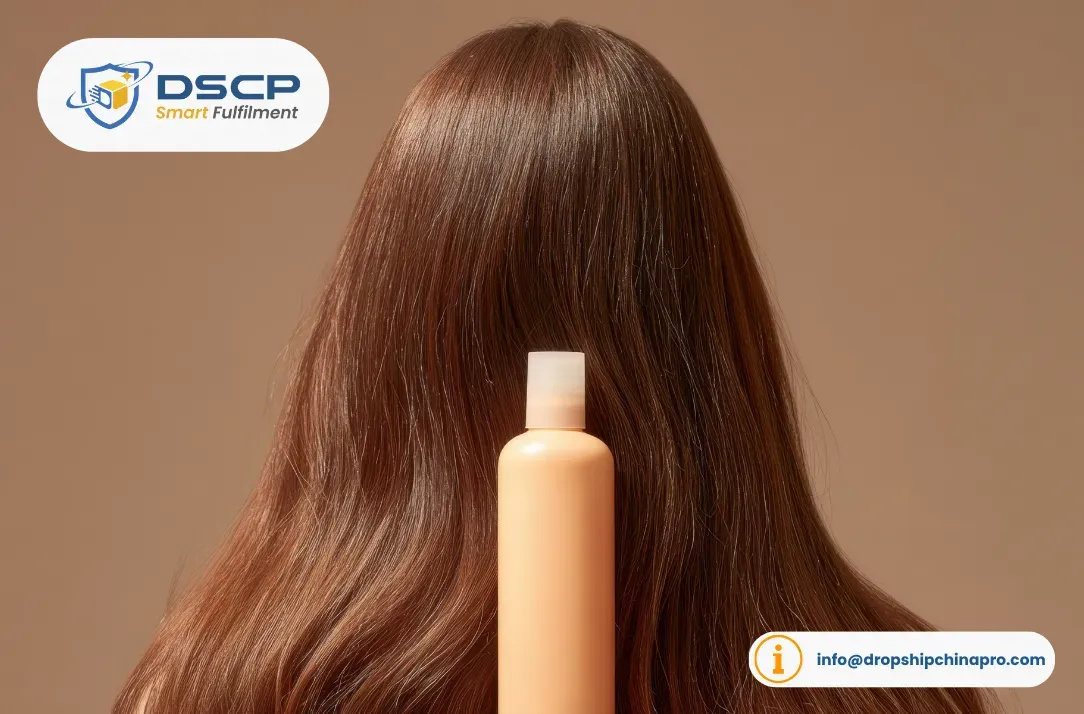
5. Hair Care Products
Hair care offers diverse opportunities across shampoos, conditioners, treatments, styling products, and color care. The segment benefits from frequent repeat purchases, with consumers typically replacing hair care products every four to six weeks. The clean hair care movement mirrors skincare trends, with consumers demanding sulfate-free, paraben-free formulations that deliver results without harsh chemicals.
Specialization drives success. Rather than competing across all hair types, winning brands focus intensely on specific niches like curly hair care, color-treated hair, or thinning hair solutions. The segment particularly benefits from influencer and salon partnerships that drive product discovery. Sustainability has become a key differentiator, with brands emphasizing refillable packaging or waterless formulations.
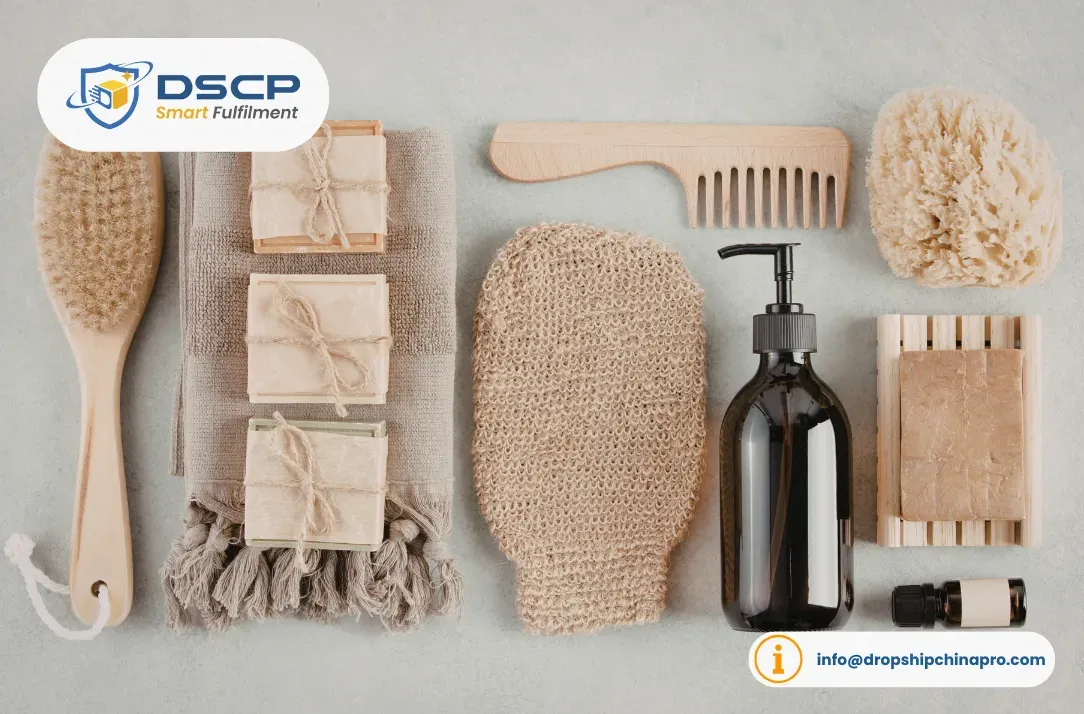
6. Bath and Body Products
Bath and body products create opportunities for sensory experiences that delight customers and encourage impulse purchases. From luxurious body lotions and exfoliating scrubs to bath bombs and shower gels, the category allows for creative formulations and compelling packaging. The gifting market drives significant volume, creating seasonal spikes and opportunities for premium sets and limited editions.
Natural ingredients and aromatherapy benefits differentiate private label offerings. The category has low switching costs but high repeat purchase potential, creating opportunities for variety packs and subscription boxes. Manufacturing accessibility makes bath and body products particularly attractive for new entrepreneurs, with many suppliers offering extensive product catalogs with customizable options.
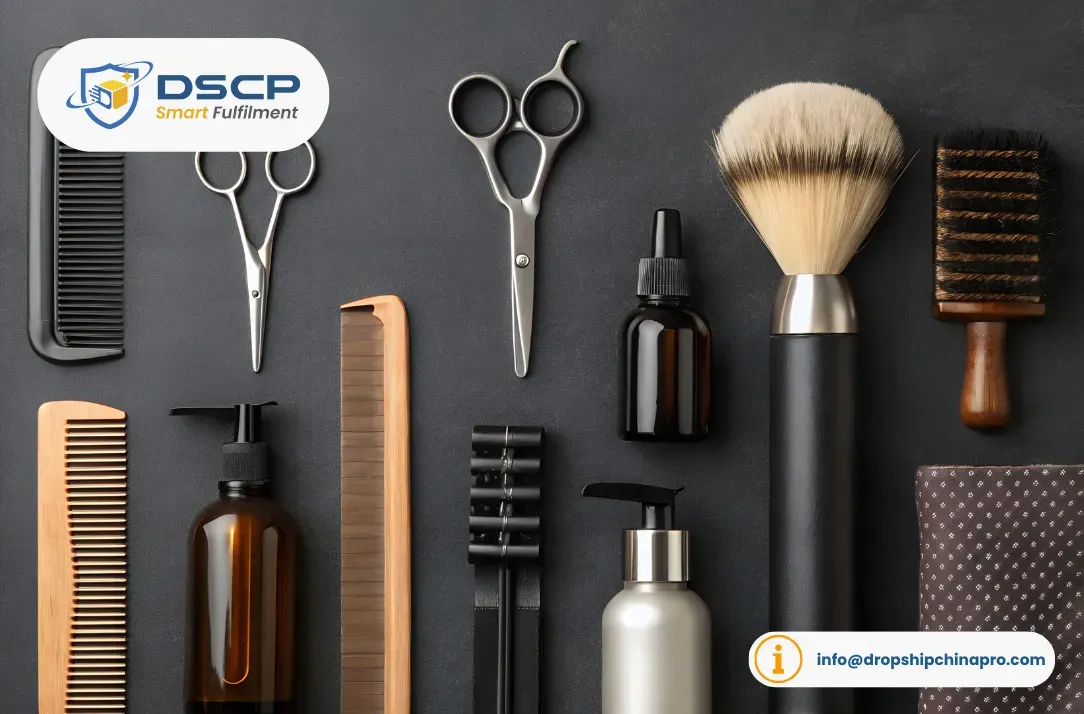
7. Men’s Grooming Products
Men’s grooming has evolved from a necessity to a sophisticated market segment expected to grow at a 4.6% CAGR through 2030. Modern men increasingly embrace skincare, hair care, and grooming routines as essential rather than optional. Younger generations particularly view grooming as a standard part of self-care, driving demand for products addressing specific concerns like beard care, anti-aging, and post-shave irritation.
Successful men’s grooming brands develop formulations addressing male-specific concerns rather than copying women’s products with masculine packaging. The market rewards straightforward communication and no-nonsense branding, with men preferring clear benefit statements and simple routines. Distribution through barber shops and men’s retailers provides alternative channels that build credibility.

8. Baby and Kids Skincare
Parents prioritize safety and gentleness when selecting products for children, creating opportunities for premium brands emphasizing natural ingredients, dermatologist testing, and hypoallergenic formulations. The segment commands premium pricing due to parental willingness to invest in children’s health and wellbeing. Products positioned as safe, effective, and specially formulated for delicate skin justify higher price points while maintaining strong margins.
Certification and testing documentation build essential trust. Brands that invest in pediatric dermatologist testing and maintain complete ingredient transparency differentiate themselves in markets where safety concerns drive purchases. The gift market provides additional revenue opportunities, particularly for baby showers and newborn arrivals. Subscription models work well, with parents appreciating automatic reordering of essentials.

9. Aromatherapy and Essential Oils
Aromatherapy and essential oils serve the growing wellness market, appealing to consumers seeking natural solutions for stress reduction, sleep improvement, and mood enhancement. The segment benefits from multiple use cases and complementary products, with customers purchasing essential oils often buying diffusers, carrier oils, and roll-ons, increasing average order value.
Education drives sales in aromatherapy. Brands investing in content explaining oil properties, usage instructions, and safety considerations build authority that translates to customer trust. Quality and purity differentiate premium offerings, with brands emphasizing third-party testing and therapeutic-grade oils commanding higher prices. The wellness lifestyle connection creates opportunities for community building around holistic wellness and natural living.
10. Fitness and Sports Nutrition
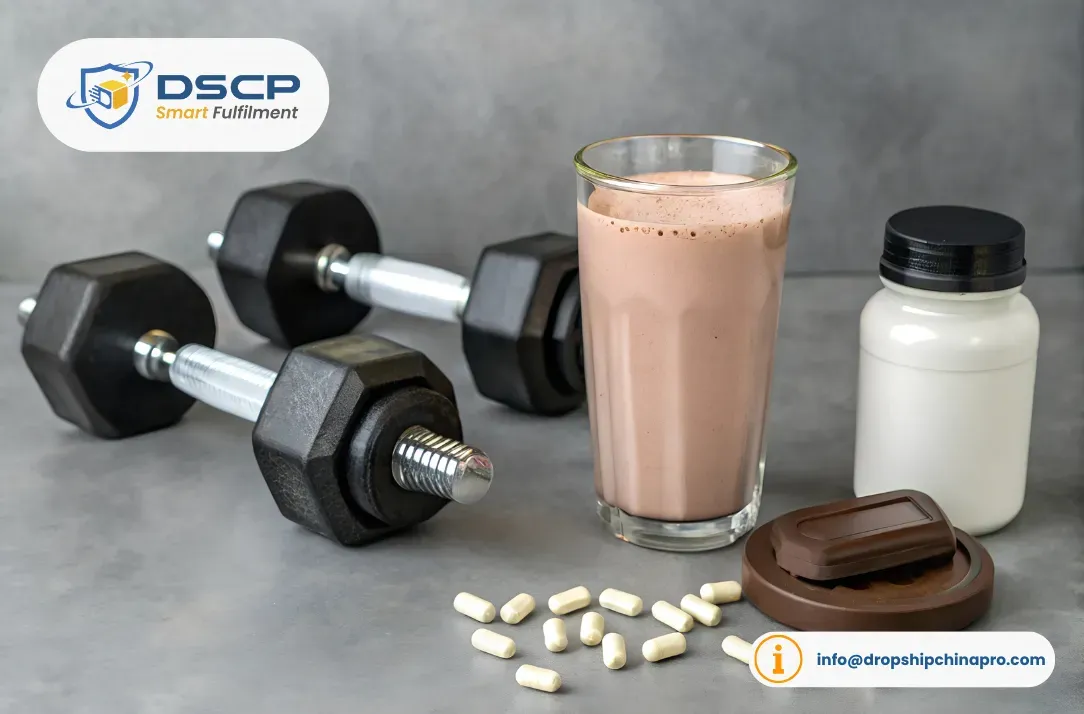
Fitness and sports nutrition serve active consumers seeking performance enhancement, recovery support, and body composition goals. The market includes protein powders, pre-workout supplements, amino acids, and specialized formulations for endurance, strength, or weight management. The segment rewards specific positioning, with successful brands focusing on particular activities or goals like yoga, bodybuilding, or endurance sports.
Subscription models drive predictable revenue, with consumers who find products they trust reordering regularly. The market increasingly values transparency and clean ingredients, with athletes scrutinizing labels for banned substances or artificial ingredients. Influencer partnerships accelerate growth, with athletes and trainers driving product discovery within their communities through affiliate programs and ambassador relationships.
11. Pet Care Products
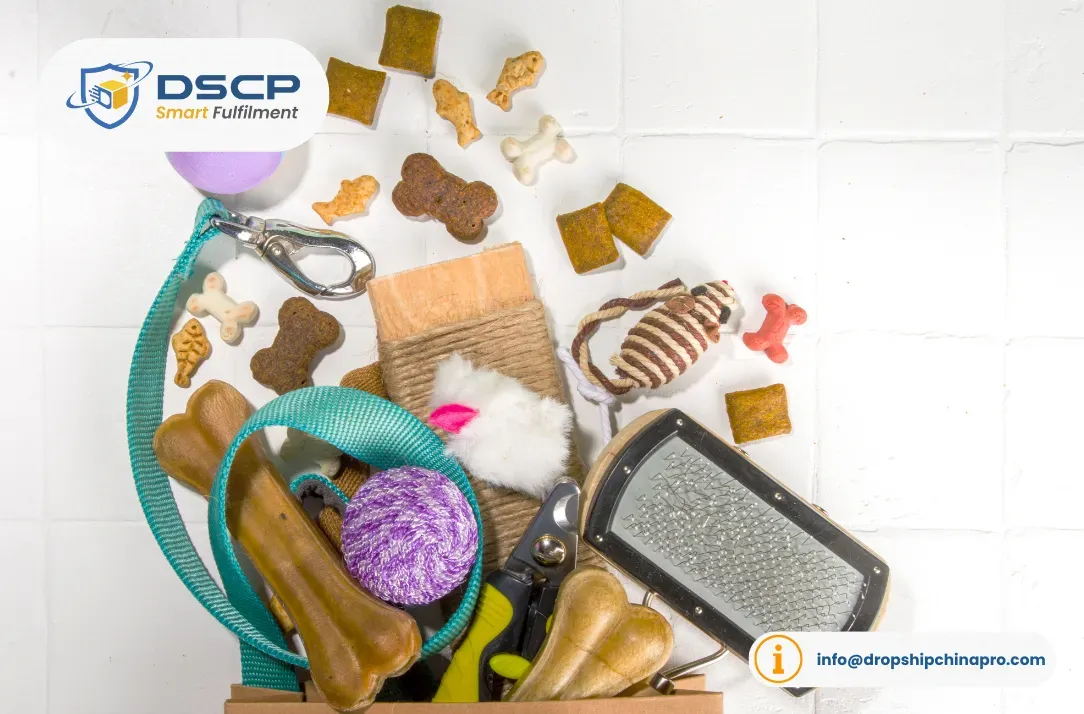
Pet owners increasingly treat their animals as family members, driving demand for premium products supporting pet health, wellness, and happiness. The pet care market includes supplements, grooming products, treats, and wellness items. Pet supplements represent a particularly attractive opportunity, with products supporting joint health, digestive wellness, or anxiety management addressing common concerns.
The segment benefits from emotional purchase drivers, with pet owners willing to invest in their animals’ wellbeing, often prioritizing quality over price. Veterinarian endorsements and partnerships build credibility that accelerates adoption. The subscription model works exceptionally well for pet products, with owners appreciating automatic reordering while creating recurring revenue streams.

12. Home and Wellness Products
Home and wellness products, including candles, diffusers, room sprays, and natural cleaning products, serve consumers creating healthy, pleasant living environments. Candles and home fragrances allow for creative scent development and seasonal collections that drive repeat purchases. Consumers enjoy trying new fragrances while maintaining favorites, creating opportunities for variety and discovery.
Natural cleaning products appeal to health-conscious consumers concerned about chemical exposure. Brands emphasizing plant-based ingredients, sustainable packaging, and effective performance are capturing growing market share from traditional cleaners. The gifting market provides substantial volume, with candles and diffusers representing popular gifts for housewarmings and holidays. Subscription boxes combining multiple products create curated experiences, driving recurring revenue.
Top Private Label Categories by Market Size
| Product Category | Market Size (2024) |
|---|---|
| Skincare & Cosmetics | $10.64 billion |
| Dietary Supplements | ~20% of $230B market |
| Food & Beverages | $243.95 billion |
| US Private Label Total | $271 billion |
Real Success Story: Building a Six-Figure Brand
Jennifer Park launched her organic supplement line in early 2024 with a focused vision: create effective, transparent products for fitness enthusiasts who prioritize clean ingredients. Working with a private label manufacturer specializing in sports nutrition, she started with just two products, a plant-based protein powder and a pre-workout blend, each formulated without artificial sweeteners or additives.
Her initial investment was modest at just $3,500. Rather than committing to large inventory quantities, she worked with a manufacturer offering 200-unit minimums. She invested heavily in educational content explaining ingredient benefits and sharing third-party lab testing results. Her transparency and expertise resonated with health-conscious athletes seeking trustworthy supplements.
Within eight months, Jennifer generated over $120,000 in revenue with profit margins above 45%. More importantly, she built a loyal community with over 70% of sales coming from repeat customers and subscriptions. She expanded her line to include recovery supplements and greens powder, both developed based on customer requests.
By her first anniversary, monthly revenue exceeded $25,000. The key to Jennifer’s success? She treated private label as a serious business rather than a quick side hustle. She invested in quality products, built genuine relationships through education and transparency, and consistently delivered value that kept customers returning.
Getting Started with Private Label in 2026
Launching a private label business requires strategic planning, but the process is more accessible than many entrepreneurs realize. Start by identifying your niche and target audience. Rather than selecting products based solely on market size, consider your expertise, interests, and ability to authentically connect with particular customer segments. Research competitors thoroughly to understand positioning, pricing, and marketing approaches, then identify gaps where you can provide superior value.
Select manufacturing partners carefully by looking beyond price to consider:
- Quality control processes and certifications
- Minimum order quantities that match your budget
- Customization options for formulations and packaging
- Support services, including regulatory compliance and design assistance
- Sample availability for quality evaluation
Build e-commerce infrastructure on reliable platforms like Shopify, WooCommerce, or Amazon. Ensure mobile optimization, fast loading times, and seamless checkout processes. Invest in professional branding and packaging, as visual differentiation matters tremendously in crowded markets. Start with three to five core products that address specific customer needs rather than launching comprehensive catalogs. This focused approach allows for better inventory management, clearer messaging, and more effective market testing.
Private Label Startup Investment Guide
| Investment Level | What You Can Launch |
|---|---|
| $1,000-$3,000 | 2-3 products, low MOQ suppliers |
| $3,000-$7,000 | 4-6 products, custom packaging |
| $7,000-$15,000 | Full product line, professional branding |
| $15,000+ | Premium brand, custom formulations |
Common Private Label Mistakes to Avoid
Many aspiring private label entrepreneurs stumble on predictable mistakes. Avoiding these pitfalls dramatically improves your probability of success.
The most common errors include:
- Competing solely on price instead of building brand value and customer relationships
- Trying to serve everyone rather than focusing on specific niche audiences
- Skimping on product quality to maximize short-term margins
- Neglecting professional branding and packaging that signals quality
- Ignoring regulatory requirements and compliance standards
- Expecting overnight success instead of committing to long-term brand building
Don’t compete on price alone. Private labels’ primary advantage is brand building and customer relationships, not undercutting established brands. Focus on delivering superior value through better formulations, targeted positioning, or enhanced experiences. Avoid broad positioning that makes marketing expensive and ineffective. Specialized brands serving specific niches build stronger connections, command premium prices, and create defensible market positions. Most importantly, never compromise on product quality, as customers ultimately purchase products that deliver results.

FAQs for Private Label Business in 2026
What are some examples of private label products?
Private label products span virtually every consumer category, from grocery store brands like Kirkland Signature and Great Value to retailer cosmetics like Sephora Collection, Ulta Beauty, and CVS brands. In e-commerce, successful private label brands include skincare lines sold on Amazon, supplement companies distributing through Shopify, and specialty wellness brands serving niche audiences through direct-to-consumer channels.
What does private label stand for?
Private label refers to products manufactured by one company but sold under another company’s brand name. The retailer or brand owner controls pricing, positioning, packaging, and customer relationships while the manufacturer handles production, quality control, and often fulfillment. This arrangement allows entrepreneurs to build brands without operating manufacturing facilities.
Is private labeling illegal?
Private labeling is completely legal and represents a standard business practice used by major retailers worldwide. The key requirement is transparency. Manufacturers must maintain clear agreements with brand owners regarding intellectual property, quality standards, and regulatory compliance. Products must meet all applicable safety standards and labeling requirements for their category.
What is a private label strategy?
A private label strategy involves creating branded products through manufacturing partnerships rather than developing products from scratch. Successful strategies focus on differentiation through specialized positioning, superior customer experience, and authentic brand building. The approach emphasizes building long-term customer relationships and brand equity rather than simply reselling commoditized products.
Is private labeling profitable?
Private label businesses can achieve strong profitability with typical gross margins ranging from 40-60% depending on category, positioning, and scale. Profit margins typically exceed reselling national brands by 15-25 percentage points while maintaining competitive retail prices. Long-term profitability depends on effective marketing, strong customer retention, and operational efficiency.
How to make money with a private label?
Private label businesses generate revenue by selling branded products at retail prices that exceed wholesale costs plus marketing and operational expenses. Successful brands maximize profitability through repeat customers and subscriptions that reduce customer acquisition costs, strategic pricing that reflects true value rather than racing to the bottom, upselling and cross-selling complementary products, and building brand equity that supports premium pricing over time.
Do I need LLC for private label?
While not legally required in all cases, forming an LLC for private label businesses provides important protections, including personal liability protection, tax advantages, professional credibility, and easier access to business banking and funding. Most business advisors recommend establishing formal business structures before launching to separate personal and business assets.
What are the four types of private labels?
The industry typically recognizes four private label tiers: economy or value brands emphasizing lowest prices, standard or store brands offering good value at competitive prices, premium brands providing enhanced quality and features at mid-level prices, and ultra-premium or specialty brands delivering exceptional quality, unique formulations, or exclusive features at premium prices.
What are the risks of private labeling?
Primary risks include quality control issues if manufacturers don’t maintain standards, inventory management challenges, particularly for new brands, competition from established brands with larger marketing budgets, regulatory compliance requirements varying by product category, and customer acquisition costs in crowded markets. These risks can be mitigated through careful manufacturer selection, conservative inventory management, focused niche positioning, and partnering with compliance-expert manufacturers.
Can I make $1000 a month selling on Amazon?
Many Amazon sellers achieve $1,000 monthly revenue through private label products, typically requiring consistent sales of products with healthy margins. Success depends on product selection, competitive pricing, effective listing optimization with strong images and descriptions, proactive review generation, and strategic advertising investment. Most successful sellers treat Amazon as a serious business requiring continuous optimization rather than passive income.
How much does Amazon take from a $100 sale?
Amazon fees vary by product category but typically range from 15-20% of the sale price for referral fees, plus fulfillment fees if using FBA. For a $100 sale, expect approximately $15-20 in referral fees plus $5-10 in fulfillment costs, depending on product size and weight, totaling roughly $20-30 in Amazon fees. Additional costs include advertising, inventory, and shipping to Amazon warehouses.
What product makes the most profit?
High-profit private label products typically share characteristics including consumable nature driving repeat purchases, lightweight and compact dimensions minimizing shipping costs, perceived value exceeding actual production costs, low return rates, and strong differentiation opportunities. Current high-margin categories include skincare serums and treatments, specialized supplements, premium beauty products, and wellness items serving specific needs.
What business can make $10,000 a month?
Private label businesses in premium categories can reach $10,000 monthly revenue within 6-12 months through focused execution. Success typically requires selling 200-500 units monthly at $50-100 average order values, maintaining healthy margins above 40%, managing customer acquisition costs below 25% of revenue, and generating 30-50% revenue from repeat customers and subscriptions within the first year.
How to earn $2000 in one hour?
Building sustainable income requires consistent effort over time rather than one-hour shortcuts. Private label brands generating substantial revenue achieve results through months of product development, brand building, and customer acquisition. Focus on long-term value creation rather than unrealistic get-rich-quick expectations.
What is the 3 7 27 rule of branding?
The 3-7-27 rule suggests consumers need three seconds to notice your brand, seven seconds to develop an initial impression, and 27 seconds to form a lasting opinion. For private label brands, this emphasizes the critical importance of strong visual design, clear value communication, and professional presentation across all customer touchpoints.
Is Costco a private label brand?
Costco operates both as a retailer selling national brands and as the owner of Kirkland Signature, one of the world’s most successful private label brands. Kirkland products span hundreds of categories and generate billions in annual sales by offering quality comparable to national brands at lower prices.
Is Amazon a private label?
Amazon operates as both a marketplace for third-party sellers and as a private label brand owner. Amazon’s private label portfolio includes AmazonBasics, Amazon Essentials, Solimo, and dozens of other brands across categories from electronics to groceries. These brands leverage Amazon’s data insights to identify opportunities and serve customer needs.

Your Partner in Private Label Success for 2026
Building successful private labels requires more than great products. You need a reliable fulfillment partner who understands the unique challenges of launching and scaling in competitive markets.
DSCP combines China sourcing advantages with US domestic delivery speed, creating the perfect foundation for private label entrepreneurs.
What We Offer:
- End-to-End Quality Control: Factory QC ensures every item meets your standards before shipping
- Strategic US Warehouses: 2-4 day delivery from LA and NJ locations
- Pay-As-You-Go Flexibility: No long-term contracts or minimum commitments
- Branding Solutions: Custom packaging and product customization
- Proven Track Record: 1,500+ active stores, 4.9/5 Trustpilot rating
Our hybrid model solves the biggest private label challenge: balancing cost-effective sourcing with fast delivery. Source products at competitive prices, then fulfill orders from US warehouses for domestic speed.
Ready to launch or scale your private label brand? Contact us today and discover how DSCP powers private label success in 2026.
Your Path to Private Label Success
The private label market in 2026 offers unprecedented opportunities for entrepreneurs willing to build real brands serving specific customer needs. With global sales exceeding $915 billion and projected growth to $1.6 trillion by 2034, the opportunity has never been more substantial. Consumer trust has reached record levels, with over 95% purchasing private label products regularly and only 2% considering them inferior to national brands.
Success in private label requires commitment to quality, authenticity, and customer relationships rather than shortcuts. The brands winning in this space focus intensely on serving particular audiences better than anyone else. They invest in education, transparency, and genuine value creation that builds trust and loyalty over time. The barriers to entry have never been lower, with manufacturing partnerships providing access to professional formulations and e-commerce platforms democratizing distribution.
Your first step is straightforward: identify your niche, research the competition, and connect with manufacturers who can bring your vision to life. Start small, test carefully, and scale based on results rather than assumptions. The entrepreneurs succeeding in private label treat it as a real business deserving of professional execution. Whether you’re launching your first business or adding a private label to existing operations, 2026 represents an ideal time to begin building a brand that creates value, serves customers, and generates sustainable profits for years to come.
References
- Customcy. (2024). 121+ Private Label Statistics for 2025. Retrieved from customcy.com
- DaVinci Labs. (2024). Private Labeling Supplements: The Definitive Guide. Retrieved from davincilabs.com
- Grand View Research. (2024). Private Label Cosmetics Market Size Report 2030. Retrieved from grandviewresearch.com
- Market.us. (2024). Private Label Market Size, Share & CAGR of 5.9%. Retrieved from market.us
- PLMA (Private Label Manufacturers Association). (2024). PLMA’s 2024 Private Label Report. Retrieved from plma.com
- PLMA (Private Label Manufacturers Association). (2025). Private Label Sales Rose 3.9% in 2024 to Record $271 Billion.
- Trilogy Laboratories. (2024). US Skin Care Market: Size, Growth, & Trends for 2024.

Hi, I’m Yavuz. I help e-commerce businesses grow through strategic content. Here, I share insights on fulfillment solutions, 3PL partnerships, and digital marketing strategies based on real data and industry trends.