
Valentine’s Day represents one of the most significant revenue opportunities for e-commerce sellers. In 2026, consumers are expected to spend over $25.8 billion on Valentine’s Day gifts in the United States alone, with the average person spending approximately $185 (National Retail Federation, 2025). For online retailers, this holiday offers a perfect combination of emotional purchasing, gift-giving urgency and strong profit margins across multiple product categories.
However, success during Valentine’s season requires more than simply listing romantic products. E-commerce sellers must consider product selection, inventory timing, fulfillment logistics and customer expectations for timely delivery. This guide explores seven profitable Valentine’s Day gifts to sell in 2026, along with strategic insights to help small and mid-size e-commerce stores maximize this seasonal opportunity.

Key Takeaways: Valentine’s Day E-commerce Strategy
- Valentine’s Day spending reached $25.8 billion in 2025, with consumers prioritizing personalized and experiential gifts.
- E-commerce sellers should begin stocking inventory by mid-January to ensure on-time delivery by February 14.
- The most successful Valentine’s products combine emotional appeal with practical value and reasonable shipping logistics.
- Hybrid fulfillment models enable faster delivery times while maintaining competitive pricing.
- Strategic product selection focuses on items with healthy margins, low return rates and strong visual appeal for social media marketing.
- Proper logistics planning prevents the costly fulfillment delays that damage customer satisfaction during peak romantic gifting season.
Why Valentine’s Day Gifts Drive E-commerce Revenue
Valentine’s Day has evolved into a major commercial holiday with purchasing behavior that favors online shopping. According to the National Retail Federation’s 2025 Valentine’s Day spending survey, approximately 52% of consumers plan to celebrate Valentine’s Day, with significant spending across jewelry, flowers, greeting cards, candy and gift experiences (National Retail Federation, 2025).
Several factors make Valentine’s Day particularly attractive for e-commerce businesses:
Strong emotional purchasing: Customers are less price-sensitive when buying gifts that express affection and appreciation. This emotional component often results in higher average order values compared to utilitarian purchases.
Gift-giving urgency: The fixed February 14 deadline creates purchasing urgency that reduces abandoned carts and accelerates buying decisions. Customers who procrastinate until late January or early February often prioritize delivery speed over price comparison.
Visual product appeal: Valentine’s gifts such as roses, decorative lights and romantic home decor photograph exceptionally well, making them ideal for visual marketing platforms including Instagram, TikTok and Pinterest. This organic shareability reduces customer acquisition costs.
Repeat customer opportunity: Valentine’s Day shoppers often return as customers if their initial experience meets expectations. A successful Valentine’s delivery can establish your store as a trusted source for future gift-giving occasions throughout the year.
For e-commerce sellers operating on tight margins, Valentine’s Day offers an opportunity to achieve higher profit margins while building customer relationships that extend beyond a single transaction.
7 Best Valentine’s Day Gifts to Sell in 2026
1. Preserved Roses in Display Cases

Preserved roses offer a premium alternative to fresh flowers that addresses a common customer pain point: flowers that wilt within days. These products undergo a preservation process that maintains their appearance for months or even years, positioning them as “the gift that keeps giving.”
- Why this product sells: Preserved roses combine the traditional romance of flowers with lasting value. The premium positioning justifies higher price points, with typical retail prices ranging from $50 to $150 depending on presentation quality.
- Fulfillment considerations: These products require careful packaging to prevent damage during shipping. Glass display cases add fragility but significantly increase perceived value. When sourcing preserved roses, verify that suppliers include protective packaging materials in their standard fulfillment process.
- Target market insight: This product performs particularly well in the US market, where consumers increasingly seek gifts that balance tradition with practical longevity. European markets show similar appreciation for preserved flowers, particularly in urban areas where apartment living makes long-term flower display more practical than frequent fresh bouquets.
2. Ambient LED Mood Lighting

LED mood lights have emerged as one of the fastest-growing categories in romantic gift-giving. These products create atmospheric lighting that enhances intimate settings, date nights at home and bedroom ambiance.
- Why this product sells: Beyond Valentine’s Day, these lights serve as permanent home decor that customers use regularly. This practical longevity increases perceived value and reduces post-holiday returns. The products also photograph exceptionally well for social media, creating organic marketing opportunities.
- Fulfillment considerations: LED lights generally ship well due to their durable construction. However, verify that suppliers include power adapters appropriate for your target markets. US customers require 110V adapters while European markets need 220V compatibility. Battery-operated options eliminate this concern but may reduce functionality.
- Target market insight: Younger demographics, particularly Millennials and Gen Z couples, strongly favor ambient lighting products. These customers often live in rental properties where permanent lighting modifications aren’t possible, making portable LED solutions particularly appealing.
3. Personalized Jewelry and Accessories

Personalized jewelry remains among the top Valentine’s Day gift categories, with necklaces, bracelets and rings featuring custom engravings, initials, or birthstones. The customization element creates emotional significance that justifies premium pricing.
- Why this product sells: Personalization transforms standard jewelry into meaningful keepsakes. Customers perceive customized items as more thoughtful than generic gifts, leading to higher satisfaction rates and reduced return likelihood. The category also enables strong profit margins, with typical markups of 200-300% above production costs. Jewelry consistently ranks among the top e-commerce product categories, with data from Q4 2025 showing jewelry represented approximately 45% of fulfilled orders during the holiday season.
- Fulfillment considerations: Personalized products require longer production timelines than standard inventory. E-commerce sellers should establish clear order cutoff dates (typically January 25-30) to ensure February 14 delivery. Communication about production times prevents customer disappointment and reduces support inquiries about order status. For sellers seeking reliable jewelry suppliers, comprehensive resources on Chinese jewelry manufacturers provide detailed supplier vetting criteria and sourcing strategies.
- Target market insight: This category shows strong performance across all geographic markets. However, design preferences vary: US customers often prefer minimalist, modern designs, while European markets show greater appreciation for traditional, ornate styles.
4. Romantic Home Decor Items

Decorative items, including heart-shaped signs, romantic wall art and decorative pillows, allow customers to express affection through their living spaces. These products typically feature lower price points ($20-50) that work well for both serious relationships and casual Valentine’s Day gestures.
- Why this product sells: Home decor items offer versatility for various relationship stages and budgets. They work equally well as gifts between romantic partners, from parents to children, or among friends celebrating Galentine’s Day (the growing trend of Valentine’s Day celebrations among female friends).
- Fulfillment considerations: Decorative items often have irregular shapes that complicate shipping cost calculations. Dimensional weight pricing from carriers can make seemingly lightweight items expensive to ship. Source products that can be packaged efficiently to minimize shipping costs that erode profit margins.
- Target market insight: Home decor products perform particularly well when marketed to women purchasing for themselves or their living spaces, rather than positioning exclusively as gifts received from romantic partners. This expanded target market increases potential sales volume.
5. Luxury Candle Gift Sets

Scented candles packaged as gift sets represent reliable Valentine’s Day performers. Premium candles with romantic fragrances (rose, vanilla, sandalwood) positioned in elegant packaging create strong perceived value relative to actual product costs.
- Why this product sells: Candles serve multiple purposes: aromatherapy, ambiance creation and practical illumination. The consumable nature means customers may reorder, creating potential for repeat business beyond the initial Valentine’s purchase. Quality candles also have excellent safety profiles that minimize liability concerns.
- Fulfillment considerations: Candles are fragile and heat-sensitive. Verify that your fulfillment solution includes appropriate packaging materials and avoids storage in environments that could melt or damage candles before shipping. Temperature-controlled warehouse space prevents quality issues that lead to returns and negative reviews.
- Target market insight: This product category shows surprisingly strong performance among male gift-givers who appreciate straightforward gifting options with clear romantic associations. Marketing materials emphasizing how candles create a romantic atmosphere help men understand the product’s gifting value.
6. Experience-Based Gift Items

Physical products that facilitate shared experiences, such as couples’ game sets, romantic card decks with conversation prompts, or DIY craft kits for couples, tap into the growing consumer preference for experiential gifts over purely material possessions.
- Why this product sells: Research indicates that younger consumers increasingly value experiences over physical possessions. Products that promise shared activities address this preference while remaining shippable physical items that work within traditional e-commerce fulfillment. Price points typically range from $25-60, positioning them as affordable yet thoughtful gifts.
- Fulfillment considerations: These products usually ship easily due to compact packaging and durable components. However, ensure that all components are included and instructions are clear, as missing pieces or confusing directions generate disproportionate customer service inquiries and negative reviews.
- Target market insight: Experience-based gift items particularly resonate in markets where consumers have shifted away from accumulating material goods. Urban markets in both the US and Europe show a strong affinity for these products, as apartment-dwelling couples appreciate gifts that don’t require additional storage space.
7. High-Quality Chocolate and Gourmet Food Gifts

Premium chocolates and gourmet food items remain Valentine’s Day staples. While this category faces competition from local chocolatiers and major brands, e-commerce sellers can differentiate through unique packaging, international varieties, or specialized dietary options (vegan, sugar-free, organic).
- Why this product sells: Food gifts provide universal appeal across demographics and relationship types. The consumable nature eliminates concerns about sizing, preferences, or home decor compatibility that complicate other gift categories. Premium positioning and thoughtful packaging justify markup despite the commodity product nature.
- Fulfillment considerations: Food products face the most stringent fulfillment requirements. Temperature control prevents melting during shipping, particularly for chocolate products. Verify expiration dates provide adequate windows for shipping, potential delays and customer consumption. Regulatory compliance regarding food handling and labeling is essential, especially for international fulfillment.
- Target market insight: This category performs consistently across all markets but requires careful attention to regional taste preferences. American consumers favor sweeter chocolates, while European markets prefer higher cocoa content and less sugar. Consider sourcing region-appropriate products rather than applying identical inventory across all fulfillment locations.
Valentine’s Gift Profit Margins
| Product Category | Typical Profit Margin |
|---|---|
| Personalized Jewelry | 50-60% |
| Preserved Roses | 50-60% |
| LED Mood Lights | 40-50% |
| Home Decor Items | 35-45% |
| Gourmet Chocolates | 30-40% |
Strategic Fulfillment Planning for Valentine’s Day Success
Product selection represents only one component of Valentine’s Day e-commerce success. Logistics and fulfillment strategy determine whether products arrive on time, in perfect condition and with presentation quality that matches customer expectations.
Valentine’s Day Order Timeline
| Timeline Period | Key Action |
|---|---|
| Early January (1-10) | Place bulk supplier orders |
| Mid-January (10-20) | Receive and inspect inventory |
| Late January (25-30) | Standard shipping cutoff date |
| Early February (1-10) | Expedited shipping only |
Inventory Timing and Order Cutoff Dates
Valentine’s Day’s fixed February 14 date creates hard deadlines that require careful planning. E-commerce sellers should establish clear internal timelines:
- Early January (January 1-10): Finalize product selection and place bulk orders with suppliers. Products sourced from China typically require 15-20 days for manufacturing and an additional 25-35 days for ocean shipping to US warehouses. Air freight reduces transit time to 7-10 days but significantly increases costs. For guidance on identifying reliable suppliers and negotiating favorable terms, review comprehensive approaches to dropshipping product sourcing.
- Mid-January (January 10-20): Inventory should arrive at fulfillment warehouses. This timing allows for quality inspection, inventory processing and distribution to multiple warehouse locations if using a network fulfillment strategy.
- Late January (January 25-30): Establish order cutoff dates for standard shipping. Communication should clearly inform customers of the deadline dates for Valentine’s Day delivery. Domestic fulfillment from strategically positioned warehouses enables later cutoff dates than direct international shipping.
- Early February (February 1-10): Rush orders and last-minute shoppers require expedited shipping options. Offering premium shipping at higher price points captures procrastinator spending while ensuring profitability despite elevated carrier costs.
The Hybrid Fulfillment Advantage
Traditional dropshipping models with direct-from-China shipping struggle during the Valentine’s season due to multi-week delivery timelines. Hybrid fulfillment models that combine international sourcing with domestic warehouse fulfillment resolve this challenge.
This approach works by shipping products in bulk from manufacturing regions to warehouses positioned near major customer populations. When orders occur, domestic fulfillment enables delivery within two to four days using ground shipping. This strategy maintains the cost advantages of international sourcing while meeting customer expectations for rapid delivery.
Shipping Method Comparison
| Fulfillment Method | Delivery Time |
|---|---|
| Direct China Shipping | 14-28 days |
| China Air Freight | 7-10 days |
| US Hybrid Fulfillment | 2-4 days |
| Express Domestic | 1-2 days |
For US-focused e-commerce sellers, strategic warehouse positioning on both coasts enables reaching the majority of customers within two to three business days. This delivery speed competes effectively with major retailers while maintaining the profit margins that small and mid-size sellers require.
Professional fulfillment services handle the complexity of this hybrid approach, including customs clearance, bulk receiving, quality inspection, inventory distribution and multi-location order routing. For Shopify store owners, seamless integration through solutions like the DSCP Smart Fulfillment Shopify app automates order routing and inventory synchronization, eliminating manual processes. This infrastructure enables small businesses to compete on delivery speed without building their own warehouse networks or maintaining permanent inventory investments.
Quality Control Prevents Valentine’s Day Disasters
Valentine’s Day gifts face unusually high customer expectations. A birthday gift arriving with minor damage might be acceptable, but Valentine’s gifts must appear perfect to effectively communicate romantic sentiment. Quality control at multiple checkpoints prevents fulfillment failures that generate negative reviews and return requests.
Professional fulfillment operations implement quality inspection at receiving (verifying supplier quality), at storage (preventing warehouse damage), and at packing (final verification before shipping). This systematic approach catches problems before they reach customers, protecting both seller reputation and profit margins.
For products requiring assembly or special packaging, quality control verifies that all components are present and instructions are included. Missing pieces discovered by customers on Valentine’s Day create service nightmares that damage long-term customer relationships.

FAQs About Selling Valentine’s Day Gifts
When should e-commerce sellers start preparing Valentine’s Day inventory?
E-commerce sellers should begin Valentine’s Day preparation in early January at the latest. For products sourced from China using ocean shipping, orders should be placed in early December to ensure inventory arrives by mid-January. This timeline allows for quality inspection, warehouse receiving and distribution to multiple fulfillment locations before peak ordering begins in late January.
What profit margins can e-commerce sellers expect from Valentine’s Day gifts?
Profit margins on Valentine’s Day gifts typically range from 30% to 60%, depending on product category and fulfillment efficiency. Personalized jewelry and preserved roses generally achieve higher margins (50-60%) while commodity items like chocolates run lower (30-40%). Strategic sourcing and efficient fulfillment significantly impact profitability by reducing costs without compromising quality.
How can small e-commerce sellers compete with major retailers during Valentine’s Day?
Small e-commerce sellers compete effectively through specialization, superior customer service and strategic fulfillment. Rather than trying to match Amazon’s complete selection, focus on curated collections with expert guidance. Hybrid fulfillment models enable delivery speeds comparable to major retailers while maintaining the personalized service that large operations struggle to provide.
What shipping options should e-commerce stores offer for Valentine’s Day?
Successful Valentine’s Day strategies offer tiered shipping options: standard ground shipping (4-7 days) for early purchasers at competitive pricing, expedited shipping (2-3 days) for mid-January orders at moderate premiums and express overnight shipping for last-minute buyers willing to pay significant premiums. Clear communication about cutoff dates for each option prevents disappointment and reduces customer service inquiries.
How do return rates for Valentine’s Day gifts compare to other products?
Valentine’s gifts generally experience lower return rates than many e-commerce categories, typically running 8-12% compared to overall e-commerce averages of 20-30%. The emotional nature of gift-giving and the specific holiday deadline discourage casual returns. However, damaged or incorrect items receive intense scrutiny, making quality control especially important for Valentine’s products.
What role does packaging play in Valentine’s Day gift success?
Packaging significantly impacts customer satisfaction and social media sharing for Valentine’s gifts. Premium presentation creates unboxing experiences that customers photograph and share, generating organic marketing. While elaborate custom packaging isn’t necessary for small sellers, clean professional packaging with Valentine’s-appropriate colors (red, pink, white) and optional gift messaging capabilities enhances perceived value and encourages positive reviews.
Should e-commerce sellers focus on Valentine’s Day exclusively in February?
While Valentine’s Day creates a February 14 deadline, successful sellers begin marketing in mid-to-late January to capture early planners and avoid last-minute shipping pressures. Post-Valentine’s Day, many romantic gift products continue selling for anniversaries, birthdays and other romantic occasions throughout the year. Strategic sellers maintain year-round availability while emphasizing seasonal relevance during January-February.
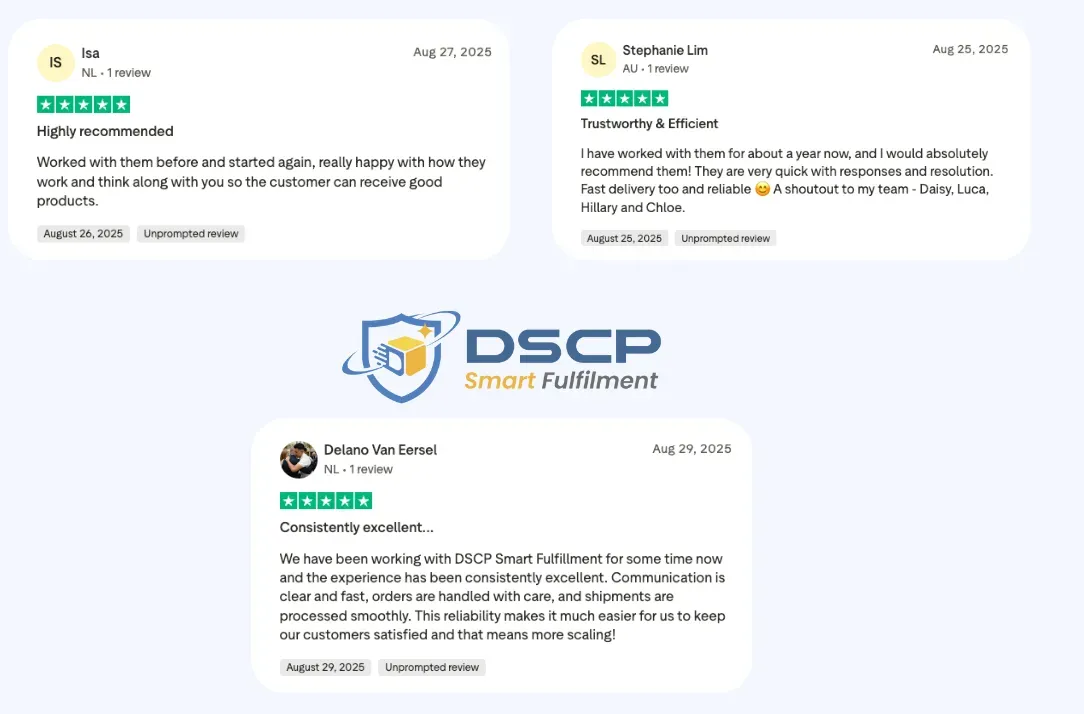
Real Success Stories: How E-commerce Sellers Win with Strategic Fulfillment
The difference between Valentine’s Day success and disappointment often comes down to fulfillment reliability rather than product selection. Several e-commerce sellers have shared their experiences with strategic fulfillment approaches.
One Netherlands-based seller operating stores across multiple markets emphasized the importance of consistent communication and careful order handling. Their experience demonstrates that reliability in processing shipments smoothly enables scaling operations while maintaining customer satisfaction. When fulfillment partners process orders with care and maintain fast, clear communication, sellers can focus on marketing and growth rather than constantly troubleshooting logistics problems.
Another seller, also operating from the Netherlands, noted how working with fulfillment partners who think strategically about product quality enables receiving good products that satisfy customers. This attention to quality control throughout the fulfillment process directly impacts repeat purchase rates and customer lifetime value.
An Australian e-commerce entrepreneur highlighted the value of quick response times and fast, reliable delivery. After working with their fulfillment partner for approximately one year, they appreciated the speed of communication and consistent performance that made business operations predictable. Having a dedicated support team that responds quickly to concerns prevents small issues from becoming major problems during high-stakes periods like Valentine’s Day.
These experiences illustrate how strategic fulfillment partnerships contribute to e-commerce success beyond simply shipping products. Reliable partners become extensions of your business, protecting your reputation through quality control and enabling customer satisfaction through consistent performance.

Ready to Make Valentine’s Day 2026 Your Most Profitable Season?
Valentine’s Day offers e-commerce sellers a unique opportunity to achieve strong revenue and profit margin performance during the traditionally slow January-February period. Success requires strategic product selection, careful inventory timing and reliable fulfillment infrastructure that meets customer expectations for quality and delivery speed.
DSCP Smart Fulfillment specializes in helping small and mid-size e-commerce businesses scale their operations through hybrid fulfillment solutions that combine international sourcing economics with domestic delivery speed. With warehouses strategically positioned in California and New Jersey alongside extensive facilities in China’s major manufacturing regions, the service enables Valentine’s Day delivery timelines that compete with major retailers while maintaining the cost structures that growing businesses require.
Whether you’re preparing for your first Valentine’s season or seeking to improve on previous years’ performance, a professional fulfillment partnership can transform logistics from a liability into a competitive advantage. Discover more about choosing the right e-commerce fulfillment company for your specific business needs.
Conclusion
The seven Valentine’s Day gifts explored in this guide represent proven product categories that consistently perform well for e-commerce sellers. However, product selection alone doesn’t guarantee Valentine’s Day success. Strategic fulfillment planning, inventory timing, quality control and reliable delivery infrastructure determine whether romantic gift purchases generate delighted customers who return throughout the year or disappointed buyers who never purchase again.
As Valentine’s Day 2026 approaches, e-commerce sellers should begin implementing their seasonal strategies immediately. January presents the optimal window for finalizing product selection, securing inventory and establishing fulfillment processes that ensure February 14 delivery. The sellers who plan systematically and partner with reliable fulfillment services will capture the significant revenue opportunity that Valentine’s season provides while building customer relationships that extend far beyond a single romantic holiday.
References
- National Retail Federation. (2025). Valentine’s Day Spending Survey. Retrieved from nrf.com
- Statista. (2025). Valentine’s Day Consumer Spending Statistics.
- Grand View Research. (2024). E-commerce Fulfillment Service Market Analysis Report, 2024-2030. Retrieved from grandviewresearch.com

Hi, I’m Yavuz. I help e-commerce businesses grow through strategic content and SEO. Here, I share insights on fulfillment solutions, 3PL partnerships, and digital marketing strategies based on real data and industry trends.