
Every dropshipping business faces a version of the same problem at some point. A customer receives their order and finds packaging plastered with another company’s name, a supplier invoice showing wholesale pricing, or a return address that has nothing to do with your brand. In the best case, that customer simply does not notice. In the worst case, they search for that supplier name directly and your next sale goes to someone else.
Blind dropshipping is the practice that prevents this. It is not a new concept, but it has become significantly more important in 2026 as customers have become more brand-aware and supply chain transparency has become a competitive liability rather than a neutral fact.
Key Takeaways for Blind Dropshipping
- Blind dropshipping means your supplier ships orders to customers with all their identifying information removed. The customer sees only your brand on the packaging and documentation.
- It is fully legal in all major markets. Blind shipping is standard practice across retail, wholesale and ecommerce supply chains globally.
- The three primary benefits are supplier anonymity, brand consistency and protection of your pricing strategy.
- Double-blind dropshipping adds a second layer of confidentiality where neither the customer nor the supplier has access to the other party’s details.
- Brand loyalty declined from 34% in 2024 to 29% in 2025, making the quality of the branded experience customers receive more important than ever for driving repeat purchases (Shopify, 2026).
What Is Blind Dropshipping?
Blind dropshipping is a fulfillment arrangement where your supplier ships products directly to your customer, but all identifying information about the supplier is removed from the packaging, invoice, and bill of lading. The package appears to come directly from your brand. The supplier remains invisible throughout the entire customer experience.
The term “blind” refers to what the customer cannot see: the origin of the product, the supplier’s name, the wholesale cost and any third-party branding. What they do see is your business name on the shipping label, your packing slip if you have chosen to include one, and a return address that belongs to your operation, not your supplier’s warehouse.
This is not about misleading customers. Customers do not expect to know every component of a retailer’s supply chain, any more than they expect to know which factory produced a product they buy from a department store. Blind dropshipping brings independent ecommerce stores the same professional presentation that established retailers have always operated with.
A practical example: a seller runs a homeware brand on Shopify. They source ceramic mugs from a supplier in China. Without blind dropshipping, the customer receives a parcel with the supplier’s address on the label and an invoice showing a cost of $3.20, while they paid $24. With blind dropshipping, the customer receives a parcel addressed from the seller’s brand, with a neutral or branded packing slip and no reference to the supplier at any point.
Blind Dropshipping vs Regular Dropshipping
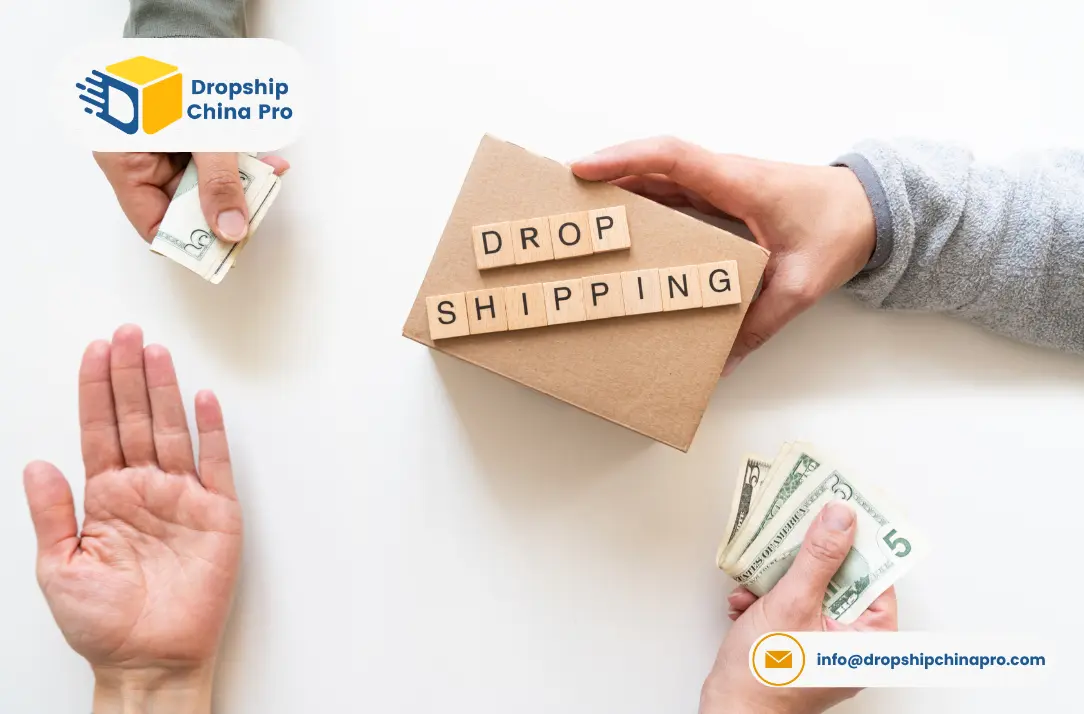
Dropshipping and blind dropshipping are related but distinct concepts. Understanding the difference prevents a common confusion that shows up frequently in seller communities.
- Dropshipping is a fulfillment model. The seller does not hold inventory. When a customer orders, the seller forwards the order to a supplier who ships directly to the customer. The seller never handles the physical product.
- Blind dropshipping is a shipping arrangement within that model. It describes how the shipment is labelled and documented. In standard dropshipping, the supplier’s name, contact details, or branding may appear on the package. In blind dropshipping, none of that information is visible to the customer.
Put simply, dropshipping describes who ships and from where. Blind dropshipping describes what the customer sees when the package arrives.
Most professional dropshipping operations use blind shipping as a baseline standard. The question is not whether to use it, but whether your supplier can execute it reliably and consistently.
What Is Double-Blind Dropshipping?
Double-blind dropshipping takes supplier anonymity one step further. In standard blind dropshipping, your supplier knows your customer’s full delivery address. In a double-blind arrangement, the supplier does not have access to your customer’s details either.
The way this works in practice is through a fulfillment intermediary. The seller sends order details to a third-party logistics partner or fulfillment center. That center manages the relationship with the supplier and processes the shipment to the customer without either party having access to the other’s information.
This model is used in two main scenarios. The first is high-volume sellers who want to prevent their customer list from being exposed to suppliers with whom they may not have an exclusive relationship. The second is B2B environments where data confidentiality across the supply chain is commercially or contractually required (CFC Fulfillment, 2025).
Double-blind setups are more complex and typically involve higher coordination costs. For most dropshipping operations, standard blind dropshipping provides sufficient protection.
Blind Dropshipping vs Standard Dropshipping vs Double-Blind
| Factor | Standard Dropshipping | Blind Dropshipping | Double-Blind Dropshipping |
|---|---|---|---|
| Supplier visible to customer | Often yes | No | No |
| Supplier knows customer details | Yes | Yes | No |
| Brand on packaging | Supplier’s or none | Your brand or neutral | Your brand or neutral |
| Customer can bypass your store | High risk | No risk | No risk |
| Competitor can find your supplier | Easy | Prevented | Prevented |
| Setup complexity | Low | Low to medium | Medium to high |
| Best suited for | Testing only, no brand focus | Most dropshipping stores | High-volume sellers, B2B operations |
Is Blind Dropshipping Legal?
Yes. Blind dropshipping is fully legal in all major ecommerce markets, including the US, UK, EU and Australia. It is a standard logistics practice used across retail, wholesale, B2B distribution and ecommerce supply chains globally (Shopify, 2024).
There is no law requiring a seller to disclose their supplier to their customer. Retailers at every scale, from supermarkets to fashion brands to electronics stores, source from manufacturers and distributors without disclosing those relationships on packaging. Blind dropshipping extends that same standard practice to independent online stores.
The only condition where blind shipping could create a legal issue is if a seller made false claims about a product’s origin that are materially misleading. Stating that a product is “handmade in the USA” when it is manufactured overseas would be a misrepresentation issue, and that is a product claim problem, not a blind shipping problem.
As long as your product listings accurately describe what you are selling, blind dropshipping is completely permissible.
Why Blind Dropshipping Matters in 2026
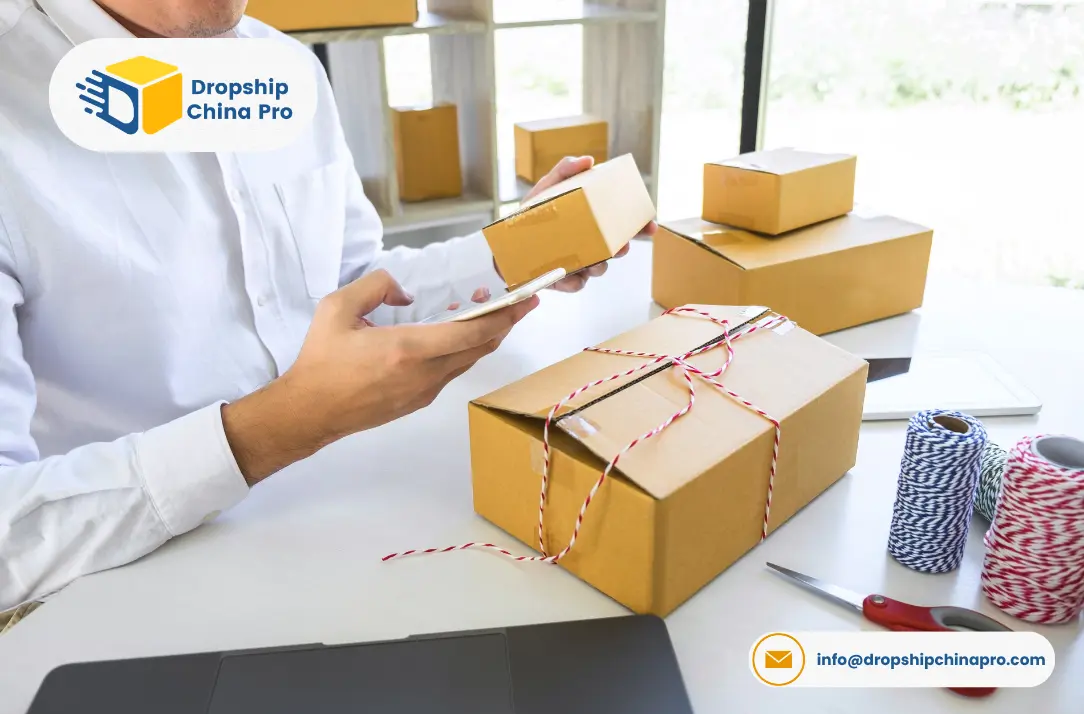
Three business reasons drive the adoption of blind shipping, and all three have become more pressing as ecommerce has matured.
Protecting Your Customer Relationships
When a customer receives a package from your supplier rather than your brand, you give them the information they need to bypass you entirely. A quick search of the supplier’s name, combined with the customer’s knowledge of what they paid, makes the alternative purchase path obvious. Blind shipping removes that option by keeping the supplier out of the customer’s field of view entirely.
Protecting Your Competitive Position
Your suppliers are one of your core business assets. If a competitor places an order on your store and receives a parcel with your supplier’s details, they can approach that supplier directly. They may negotiate better pricing, source the same products and undercut your listing prices. Blind shipping keeps your supply chain confidential (Shopify, 2024).
Maintaining Brand Consistency
Nearly half of customers are more likely to reorder from a brand that uses unique, thoughtful packaging (PackageIt, 2025). A parcel that arrives with your branding signals professionalism and builds the kind of brand memory that drives repeat purchases. A parcel that arrives with a supplier’s name signals that you are a middleman, which weakens that same brand trust.
This matters especially as customer loyalty becomes harder to earn. Brand loyalty in ecommerce declined from 34% in 2024 to 29% in 2025 (Shopify, 2026). Every interaction a customer has with your brand, including the unboxing moment, is an opportunity to build or erode that loyalty.
How to Set Up Blind Dropshipping
Arranging blind shipping requires coordination with your supplier before your first order goes out. The steps are straightforward once you have a willing supplier.
Step 1: Confirm supplier capability. Not every supplier offers blind shipping. Ask directly: Will you remove your branding from all packaging and documentation? Will you use a neutral packing slip or one I provide? What return address will appear on the label? Get clear answers before committing.
Step 2: Prepare your branded or neutral materials. Decide whether you want completely neutral packaging (no supplier or buyer branding) or your own branded packing slip inserted into each shipment. If you want branded materials, design a packing slip template and provide it to your supplier in print-ready format, typically JPG or PDF.
Step 3: Set your return address. The return address on every shipment must be an address you control. This could be a business address, a P.O. box, or your fulfillment partner’s warehouse address. If a customer returns an item to your supplier’s address, your supply chain is exposed (Branvas, 2026).
Step 4: Add a blind shipping instruction to every order. Include a clear note in every order you forward to your supplier: no supplier invoices, no supplier branding, no third-party packing materials. Some sellers add this as a standing instruction in their supplier agreement. Others include it on each order to prevent errors.
Step 5: Test before scaling. Place a test order to your own address before going live. Verify that no supplier information appears anywhere on the package, packing slip, shipping label, or any enclosed documentation. This one step prevents a lot of downstream problems.
Blind Dropshipping on eBay
Blind dropshipping works on eBay in the same way it works on any other platform, with one additional consideration. eBay’s seller policies require that you are the seller of record on all orders. Your business information must appear on any documentation, and you are responsible for the transaction from sale to delivery.
This means blind shipping is not just compatible with eBay, it is effectively required for compliant eBay dropshipping. A supplier’s name or invoice appearing in a shipment signals to a buyer that a third party fulfilled the order, which can prompt an eBay case that reflects poorly on your seller metrics.
The community discussion around blind dropshipping on eBay is extensive. Questions like “wtf is a blind drop?” appear regularly in r/eBay and similar forums, reflecting how commonly new sellers encounter supplier-branded packages before they have set up blind shipping properly (Reddit, r/eBay).
What Are the Three Types of Dropshipping?
This question appears in Google’s PAA for this topic and is worth addressing directly.
The three commonly referenced types are:
- Standard dropshipping — you list products from a supplier and forward orders for fulfillment. The supplier ships directly to the customer. No inventory is held and the seller focuses on marketing and customer acquisition.
- Blind dropshipping — the same model as standard dropshipping, but with supplier information removed from all packaging and documentation. The customer sees only the seller’s brand.
- Private label dropshipping — products are manufactured to the seller’s specifications and branded exclusively under their label. The seller owns the product design and branding. This is a step beyond blind dropshipping because the underlying product is exclusive, not just the packaging presentation.
Most sellers move through these stages progressively: standard dropshipping to test products, blind dropshipping to build brand, private label to differentiate and defend margins.
Pros and Cons of Blind Dropshipping
Why sellers use it
- Customers cannot identify and contact your supplier directly, protecting your repeat purchase revenue
- Competitors cannot discover your supply chain by placing test orders on your store
- Every delivery reinforces your brand identity rather than a third party’s
- You retain the hands-off fulfillment model of standard dropshipping, with none of the brand exposure
Where it creates challenges
- Not every supplier is willing or set up to handle blind shipments reliably
- Returns require you to act as the intermediary, which adds coordination complexity
- You have no direct control over packaging quality or the physical condition of what arrives, so a quality issue reflects on your brand even though your supplier caused it
- Some suppliers charge additional fees for branded packing slips or custom label handling
What the Community Says
Blind dropshipping comes up regularly in seller communities, and the consensus reflects practical experience rather than theory.
On Quora, the top-voted answer to “What is blind drop shipping? How is it different from normal drop shipping?” captures the core distinction accurately: blind drop shipping is when you sell an item and your supplier ships it without including any information that identifies them as the source. The customer experience is seamless, as if the order came directly from the retailer (Quora, 2019).
A recurring theme in Reddit discussions on r/eBay is that new dropshippers discover the need for blind shipping the hard way: a buyer receives a parcel with a different company’s name on the label, asks questions and the trust in the seller is immediately damaged. The practical lesson the community shares is to confirm blind shipping capability with every supplier before listing their products, not after the first complaint arrives (Reddit, r/eBay).
Working with a Fulfillment Partner That Does This Right
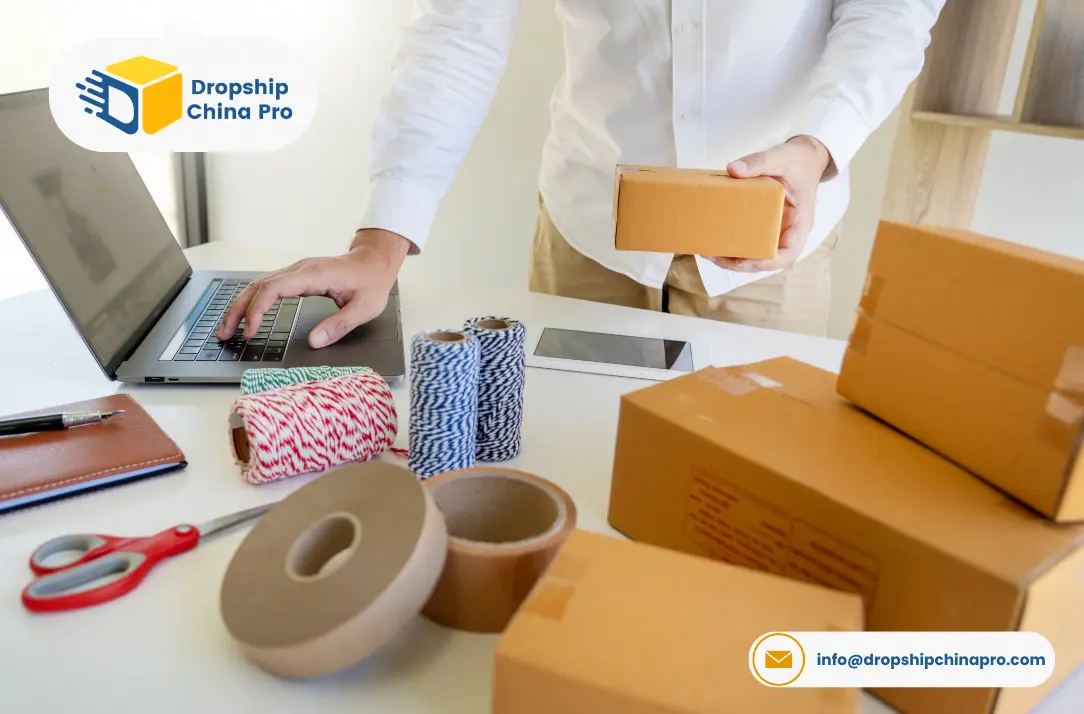
The reliability of blind dropshipping depends entirely on the partner executing it. A supplier who occasionally forgets to remove their invoice, includes a branded sticker, or lists the wrong return address defeats the purpose of the arrangement. Consistency matters more than intent.
Dropship China Pro handles blind shipment fulfillment as a standard part of the service. Every order ships without third-party identification on the package, packing slip, or shipping label. Your customers see your brand, not ours.
If you are also considering upgrading from blind dropshipping to a fully branded private label, our private label and custom packaging service covers that transition in full, from product sourcing through branded fulfillment. You can also connect your Shopify store directly through our Shopify app to manage the entire order flow in one place.
FAQs for Blind Dropshipping
What does blind dropship mean?
Blind dropshipping means your supplier ships an order directly to your customer with all supplier-identifying information removed from the packaging, invoice and bill of lading. The customer receives the product as if it came directly from your brand, with no indication that a third-party supplier was involved in the fulfillment.
Is blind shipping legal?
Yes. Blind shipping is completely legal in all major markets. It is a standard logistics arrangement used across retail, wholesale, B2B distribution and ecommerce globally. There is no legal requirement to disclose your supplier’s identity to customers. As long as your product descriptions are accurate, blind shipping raises no legal issues.
What is the difference between blind shipping and regular dropshipping?
Dropshipping is a fulfillment model where a supplier ships directly to the customer. Blind shipping is how that shipment is labelled and documented. In regular dropshipping, the supplier’s branding or contact details may appear on the package. In blind shipping, that information is removed entirely so the customer sees only the seller’s brand.
What are the three types of dropshipping?
The three commonly referenced types are standard dropshipping, blind dropshipping and private label dropshipping. Standard dropshipping involves no branding control. Blind dropshipping removes supplier identification so the customer sees only the seller’s brand. Private label dropshipping involves manufacturing products to the seller’s exclusive specifications under their own brand name.
Does blind dropshipping work on eBay?
Yes. Blind shipping is compatible with eBay and is effectively required for compliant eBay dropshipping. eBay’s policies require the seller to be the seller of record on all transactions, which means your business information must appear on all documentation. Supplier-branded packaging can trigger buyer disputes and damage your seller metrics.
Conclusion
Blind dropshipping is not an advanced tactic reserved for experienced sellers. It is a baseline standard for any dropshipping operation that is serious about building customer trust and protecting its supply chain.
The mechanics are simple: remove the supplier from the customer’s experience. What makes the difference is having a fulfillment partner who executes this reliably on every order, not just in principle.
If you are still receiving supplier-branded packages on test orders, that is the problem to solve first. Everything else in your branding and customer experience strategy builds on top of that foundation.
References
- Shopify. (2024). What is blind shipping? Definition, benefits and best practices. shopify.com
- Shopify. (2026). Ecommerce trends 2026: How brands are planning ahead. shopify.com
- ShipBob. (2026). Blind shipping: What it is and how can it help you.
- AutoDS. (2025). Mastering blind dropshipping: Full guide for online sellers. autods.com
- CFC Fulfillment. (2025). What is blind drop shipping? A complete guide for modern ecommerce sellers.
- Branvas. (2026). Blind shipping explained: How to protect your customer list.
- PackageIt. (2025). The future of e-commerce packaging trends and innovations for 2025.
- Quora. (2019). What is blind drop shipping? How is it different than normal drop shipping? quora.com
- Reddit. (2020). wtf is a blind drop? — r/eBay.

Hi, I’m Yavuz. I help e-commerce businesses grow through strategic content. Here, I share insights on fulfillment solutions, 3PL partnerships, and digital marketing strategies based on real data and industry trends.