
Running an e-commerce store in 2026 means fighting for attention in one of the most competitive spaces in digital marketing. Paid ads cost more every year, organic search takes time to build and email inboxes are harder to reach. Influencer marketing has become one of the most reliable channels for e-commerce brands to connect with real buyers and drive actual purchases, not just impressions.
This guide explains what influencer marketing is, how it works and why it delivers measurable results for online stores and dropshipping businesses.
Key Takeaways
- The global influencer marketing industry reached $24 billion in 2024 and continues to grow (Sprout Social, 2024).
- 86% of consumers make at least one influencer-inspired purchase per year (Sprout Social, 2024).
- Micro influencers (10,000 to 100,000 followers) typically deliver stronger ROI than larger accounts for e-commerce brands.
- Engagement rate is a more reliable performance indicator than follower count.
- Unique affiliate links and promo codes allow you to directly track revenue per influencer.
- For dropshipping businesses, influencer campaigns only work when backed by a reliable fulfillment operation.
What Is Influencer Marketing?
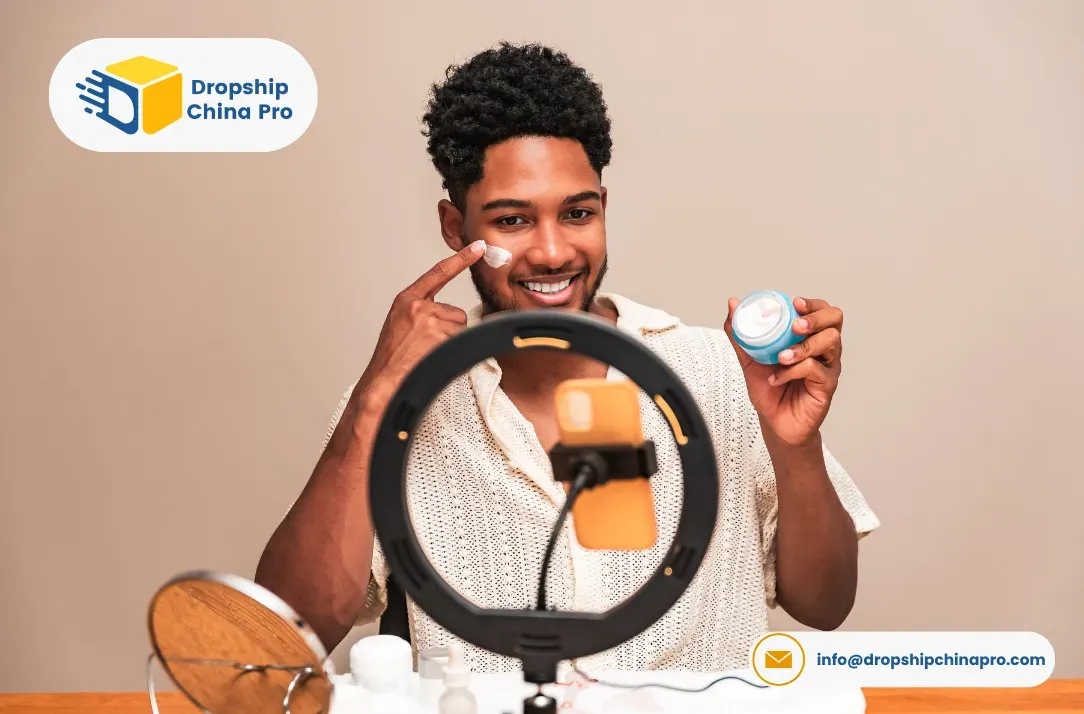
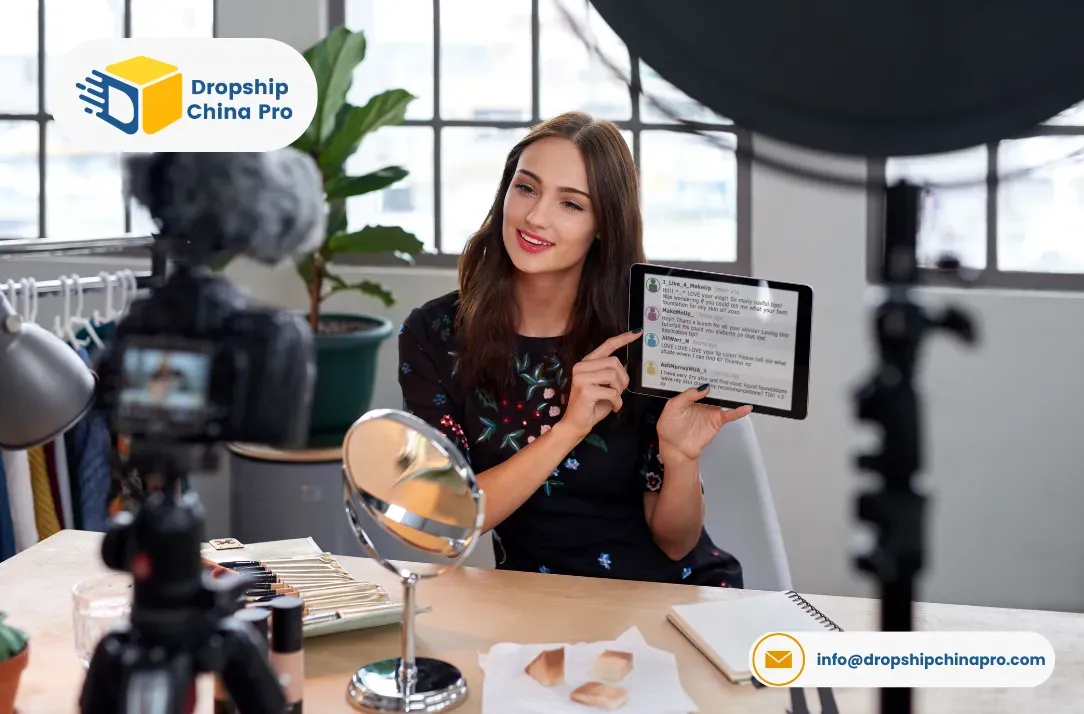
Influencer marketing is a strategy where brands partner with content creators who have an established, engaged audience on platforms like Instagram, TikTok, YouTube or Pinterest. These creators, known as influencers, promote products through sponsored posts, unboxings, tutorials or reviews.
The core advantage is trust. Influencers build genuine relationships with their audiences over time. When they recommend a product, their followers treat it as a personal endorsement rather than a paid advertisement. That distinction is what makes the channel so effective for e-commerce. Research from Sprout Social found that influencer content drives 49% of consumers’ regular purchases and that 86% of consumers make at least one influencer-inspired purchase per year (Sprout Social, 2024).
Why It Works for E-Commerce
Unlike general brand awareness campaigns that are hard to measure, influencer marketing for e-commerce is highly trackable. You assign unique promo codes or affiliate links to each creator and measure sales directly.
Here is why it performs well for online stores:
- Purchase intent is already high. Influencer audiences follow creators for product recommendations. Someone watching a TikTok haul video or a YouTube unboxing is already in a discovery mindset and open to buying.
- It shortens the decision-making cycle. A potential customer who sees a product reviewed by someone they trust moves through the buying journey much faster than someone who encounters a cold display ad.
- It generates reusable content. Photos, videos and reviews produced by influencers can be repurposed across your own social channels, product pages and email campaigns, giving you lasting value beyond the initial post.
- It builds credibility quickly. For newer stores without established brand recognition, association with a trusted voice in a niche is one of the fastest ways to earn legitimacy.
As of 2026, 86% of brands in major markets plan to use influencer marketing, reflecting a broad consensus that the channel delivers results across industries and store sizes (Sprout Social, 2024).
Choosing the Right Type of Influencer
Not all influencers are the same, and bigger is rarely better for e-commerce.
- Nano influencers (1,000 to 10,000 followers) have small but highly engaged audiences. Their followers feel a close personal connection with them, which typically translates into stronger conversion rates. They are affordable and often open to product collaboration arrangements.
- Micro influencers (10,000 to 100,000 followers) are the sweet spot for most e-commerce and dropshipping brands. They have enough reach to drive meaningful traffic while maintaining strong engagement rates. Their audiences tend to be niche-specific, which means less wasted reach and more relevant buyers.
- Macro influencers (100,000 to 1 million followers) offer wider reach at considerably higher cost and generally lower engagement rates. They work well for brand awareness objectives but require a larger budget to generate efficient returns.
- Mega influencers and celebrities (1 million+ followers) are rarely the right fit for small to mid-size stores. Cost is high, engagement rates are typically low and audiences are too broad to drive efficient conversions.
How to Find and Vet Influencers
Finding influencers is straightforward. Vetting them properly is where most brands slip up.
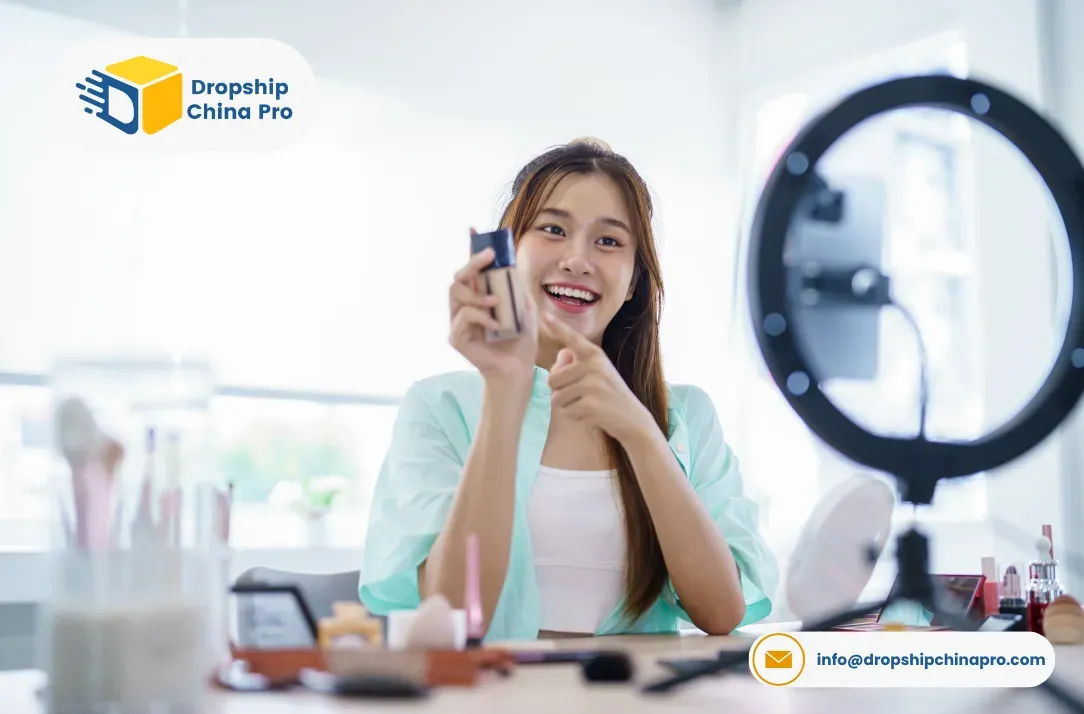
Start by searching relevant hashtags on Instagram and TikTok in your product category. Look for creators who are already posting content related to your niche organically. Platforms like Modash, Heepsy and Collabstr allow you to filter by follower count, location and engagement rate.
Before reaching out, check the following:
- Engagement rate over follower count. An influencer with 20,000 followers and a 6% engagement rate will outperform one with 200,000 followers and a 0.5% rate. Divide the average post interactions by the total follower count to calculate it.
- Audience authenticity. Look for natural, varied comment sections. Generic phrases repeated in bulk and sudden follower spikes are signs of purchased engagement.
- Past brand partnerships. If an influencer promotes a new brand every week or has worked with competing products recently, their recommendations carry less weight.
- Brand fit. Their tone, visual style and values need to align with your store. A mismatch produces content that feels forced and underperforms.
It is worth noting that 59.8% of brands reported experiencing influencer fraud in 2024, making proper vetting essential before committing any budget (Chad Wyatt, 2025).
Real-World Example: From Instagram Outreach to $1M in Sales
Sarah and Audrey, two e-commerce entrepreneurs who later merged their businesses, built their dropshipping brands almost entirely through influencer marketing on Instagram. Rather than following the standard route of paid social ads, they identified influencers whose audiences closely matched their target customers and sent up to 200 outreach emails per day to find the right fit.
The result: the pair generated over $1 million in sales within a few weeks during a single campaign period (Shopify, 2024). The lesson for dropshipping businesses is consistent. The right creator in the right niche, promoting a product their audience genuinely wants, will outperform broad advertising almost every time.
How to Structure a Campaign
Once you have identified the right influencers, a clear structure protects your investment.
- Define your objective first. Are you driving direct sales, growing your social following or building product awareness? Your objective determines the content format and how you measure success.
- Agree on deliverables in writing. Specify the number of posts, the platform, content format, posting dates and any content usage rights. Ambiguity leads to poor outcomes on both sides.
- Give influencers creative freedom. Over-scripting kills authenticity. Provide a brief with key product benefits and mandatory mentions, then let them communicate it in their own voice. Their audience follows them for their personality.
- Use trackable links and promo codes. Assign each influencer a unique affiliate link so you can attribute sales directly and calculate return on investment.
- Build relationships rather than one-off transactions. Influencers who genuinely use and like your products mention them organically beyond contracted posts. Long-term partnerships consistently outperform single campaigns.
Measuring ROI
Track metrics that match your original campaign objective.
For direct sales campaigns, measure revenue generated per influencer via their unique code or link, cost per acquisition and overall return on ad spend.
For awareness campaigns, track reach, impressions and follower growth on your own channels in the days following each post.
For content value, assign a production cost to the photos and videos you receive based on what equivalent creative work would cost you to commission independently.
According to the Influencer Marketing Hub Benchmark Report 2026, brands that are increasing their influencer budgets are 1.7 times more likely to be actively using social commerce, suggesting a clear correlation between influencer investment and broader commercial performance.
Influencer Marketing and Dropshipping
For dropshipping businesses, influencer marketing solves a core challenge of the model: product credibility. When buyers cannot physically inspect a product before purchasing, a trusted third-party review from someone they follow is a powerful substitute for that hands-on confidence.
Pairing influencer campaigns with fast, reliable fulfillment is essential. The influencer creates the purchase intent. Your ability to deliver the product quickly and in good condition is what turns a first-time buyer into a returning customer. If your supply chain cannot absorb a surge in orders, an influencer campaign will expose that gap rather than hide it.
If you are running your store on Shopify, Dropship China Pro’s Shopify app connects your store directly to our sourcing and fulfillment operations, giving you the infrastructure to handle the demand spikes that influencer campaigns can generate.
What the E-Commerce Community Says
Sellers in communities like r/ecommerce on Reddit consistently point to two themes when discussing influencer campaigns: audience fit matters far more than follower numbers and results compound over time rather than arriving from a single post. Experienced operators frequently note that their best-performing campaigns came from micro influencers they had built ongoing relationships with, not one-off collaborations with larger accounts.
Research from The Reddit Marketing Agency found that 68% of shoppers say a recommendation inside a Reddit thread increases their likelihood of purchasing, underlining how community-driven endorsement, whether on Reddit or through influencer content, carries weight that polished brand advertising simply cannot replicate (The Reddit Marketing Agency, 2025).
Common Mistakes to Avoid
- Prioritising follower count over niche fit. A large audience in the wrong category will not move your products.
- Skipping the vetting process. Purchased followers and inflated engagement are widespread and easy to miss without proper due diligence.
- Expecting instant results. Influencer marketing builds momentum over weeks and months. A single post rarely transforms a brand.
- Ignoring disclosure rules. Most markets require influencers to clearly label sponsored content. Non-compliance creates legal risk for both parties.
- Not repurposing content. Every piece of influencer content is a reusable asset. Use it across product pages, email campaigns and social channels.
Frequently Asked Questions
What is influencer marketing in e-commerce?
Influencer marketing in e-commerce is a strategy where online stores partner with content creators to promote products to engaged audiences. Rather than relying solely on paid ads, brands use the trust influencers have already built with their followers to drive traffic and generate sales.
How much does influencer marketing cost for an e-commerce business?
Costs vary significantly by platform and audience size. Nano influencers may collaborate in exchange for product samples, while micro influencers typically charge a few hundred to a few thousand dollars per post. For most small to mid-size e-commerce stores, micro influencer campaigns offer the most cost-efficient entry point.
How do I measure the ROI of an influencer marketing campaign?
Assign each influencer a unique promo code or affiliate link and track revenue generated directly. Calculate cost per acquisition and return on ad spend. For awareness campaigns, track reach, impressions and follower growth on your own channels in the days following each post.
Are micro influencers better than macro influencers for dropshipping?
For most dropshipping businesses, yes. Micro influencers typically have niche-specific, highly engaged audiences that align closely with a product category. Their recommendations carry more weight with followers and their cost per conversion is generally lower than that of macro influencers who reach broader, less targeted audiences.
How do I know if an influencer’s following is genuine?
Look beyond follower count and examine the comment section closely. Natural engagement includes varied, specific comments that reference the actual content. Red flags include repeated generic phrases, emoji-only responses in bulk and sudden spikes in follower growth. Tools like Modash and HypeAuditor provide audience authenticity reports to help verify real engagement.
What is the biggest mistake e-commerce brands make with influencer marketing?
Choosing based on follower count rather than audience fit. An influencer with a large but irrelevant audience will rarely convert for your product. Choosing creators whose niche, tone and values align with what you sell is the single most important decision in any influencer campaign.
Conclusion
Influencer marketing is not a shortcut or a passing trend. For e-commerce businesses that approach it with clear objectives, proper vetting and a reliable fulfillment operation behind them, it is one of the most cost-efficient customer acquisition channels available. Choose the right creators for your niche, structure campaigns with measurable goals and give influencers the creative space to communicate authentically. The results will follow.
References
- Sprout Social. (2024). 2024 Influencer Marketing Report.
- Influencer Marketing Hub. (2026). Influencer Marketing Benchmark Report 2026. influencermarketinghub.com
- Collabstr. (2025). 2025 Influencer Marketing Report. collabstr.com
- House of Marketers. (2026). 2026 Influencer Marketing Stats.
- Chad Wyatt. (2025). 150+ Influencer Marketing Statistics 2025.
- Shopify. (2024). 4 Real Dropshipping Success Stories. shopify.com
- The Reddit Marketing Agency. (2025). Reddit Is Now the Most Influential Channel in Ecommerce.

Hi, I’m Yavuz. I help e-commerce businesses grow through strategic content and SEO. Here, I share insights on fulfillment solutions, 3PL partnerships, and digital marketing strategies based on real data and industry trends.