Fulfillment time is how long it takes to prepare and dispatch an order after a customer places it, covering picking, packing and handing the package to the carrier, but not the shipping transit itself. It is one of the most misunderstood metrics in ecommerce, and it is often confused with shipping time, which is a different thing entirely.
Getting the distinction right matters because speed expectations have compressed hard. Customers now expect delivery in around 2.5 days, and 63 percent will switch to a different retailer if shipping takes longer than two days (Capital One Shopping, 2026). Fulfillment time is the part of that promise you actually control, so understanding and improving it is one of the highest-leverage things you can do.
This guide defines fulfillment time, sets the benchmarks and shows how to improve it.
Key Takeaways for Fulfillment Time
- Fulfillment time is the processing window from order placed to order dispatched, separate from shipping transit.
- Fulfillment vs shipping: fulfillment is your warehouse processing, shipping is the carrier’s transit and delivery time is both combined.
- The benchmark for fast operations is dispatching within 24 hours, and the average on-time delivery rate sits near 88 percent.
- Slow fulfillment costs sales: 43 percent of shoppers abandon a cart or retailer over slow shipping (Capital One Shopping, 2026).
- Fulfillment time is the part you can control, and a hybrid model with US warehouses lets you dispatch fast and deliver in 1-3 days.
What Is Fulfillment Time?
Fulfillment time is the period between a customer placing an order and that order leaving your warehouse, ready for the carrier. It includes receiving the order, picking the product, packing it and generating the shipping label. It does not include how long the carrier then takes to deliver. In short, fulfillment time measures how fast your operation moves an order out the door, which is why it is the clearest signal of how efficient your fulfillment actually is.
Fulfillment Time vs Shipping Time
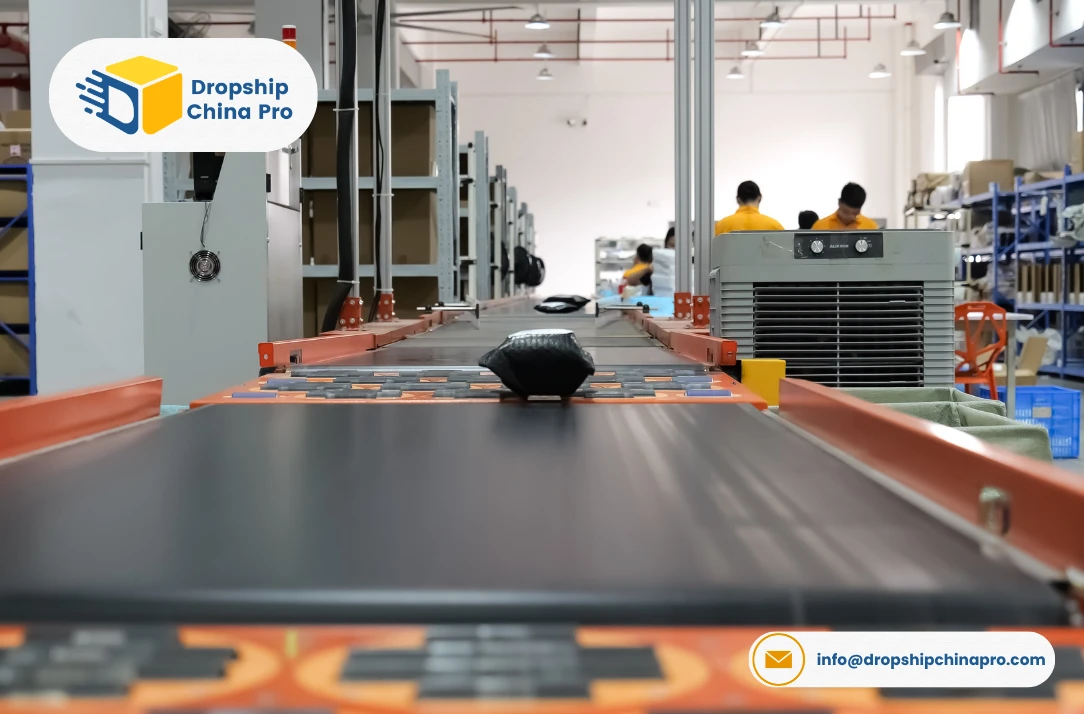
These two terms get used interchangeably, but they measure different stages and different responsibilities. Fulfillment time is everything that happens inside the warehouse, from order to dispatch, and it is within your control. Shipping time is the carrier’s transit from your warehouse to the customer’s door, which is largely outside your control once you hand off the package. Delivery time is the total the customer actually experiences: fulfillment time plus shipping time. Understanding the split matters because when deliveries run slow, the fix is usually in one specific stage, and fulfillment is the one you can act on directly.
Fulfillment Time vs Shipping Time vs Delivery Time
| Stage | What It Covers | Who Controls It |
|---|---|---|
| Fulfillment time | Order to dispatch: picking, packing, labeling | You or your fulfillment partner |
| Shipping time | Carrier transit from warehouse to customer | The carrier |
| Delivery time | The total the customer experiences | Fulfillment plus shipping combined |
Fulfillment Time Benchmarks
Knowing where you stand starts with the numbers that define strong performance in 2026:
- Dispatch speed: fast operations fulfill and dispatch orders within 24 hours, and same-day dispatch is increasingly the standard for competitive stores.
- On-time delivery: the average on-time rate across ecommerce sits near 88 percent, while top-quartile merchants hit 95 percent or higher (industry benchmarks, 2026).
- Delivery expectation: customer expectations have compressed to roughly 2.5 days, down from nearly 6 days five years ago (Capital One Shopping, 2026).
- Late-order cost: every day an order is late correlates with about a 1.1 percent increase in returns, so delays hit twice.
If your orders consistently leave within a day and arrive when promised, you are competitive. If dispatch drags past 48 hours, that is where to focus first.
Fulfillment Time Benchmarks for 2026
| Metric | Benchmark | What It Means |
|---|---|---|
| Dispatch speed | Within 24 hours | The standard for competitive stores |
| On-time delivery rate | 88% average, 95%+ top tier | Where you stand against competitors |
| Customer delivery expectation | Around 2.5 days | Down from nearly 6 days five years ago |
| Cost of late orders | ~1.1% more returns per day late | Delays hit sales and returns both |
Why Fulfillment Time Matters
Fulfillment time quietly shapes revenue at both ends of the sale. Before purchase, a slow or vague delivery estimate drives shoppers away, which is why 43 percent abandon a cart or retailer over slow shipping (Capital One Shopping, 2026). After purchase, late arrivals drive returns, refunds and churn, and customers overwhelmingly blame the store rather than the carrier. Interestingly, accuracy matters even more than raw speed, since 62 percent of shoppers say an accurate delivery date is more important than fast shipping (Capital One Shopping, 2026). That is good news, because both speed and accuracy come down to a fulfillment operation you can control.
How to Improve Your Fulfillment Time
Improving fulfillment time is mostly about removing delays and friction from your process. The highest-impact moves are:
- Set a same-day or 24-hour dispatch standard and measure against it, since you cannot improve what you do not track.
- Keep proven products in stock, because out-of-stock items are the most common cause of multi-day fulfillment delays.
- Work with a reliable fulfillment partner, since 3PL fulfillment operations are built to dispatch fast and consistently.
- Position inventory closer to your customers in a US fulfillment warehouse, which shortens both fulfillment and shipping.
- Automate order routing so orders flow to fulfillment instantly, which automated order fulfillment handles without manual steps.
- Show accurate delivery dates at checkout, since honest estimates build the trust that aggressive promises destroy.
Once your fulfillment is fast, the next lever is total delivery speed, which we cover in our guide to reducing dropshipping delivery times.
The Hybrid Fulfillment Advantage
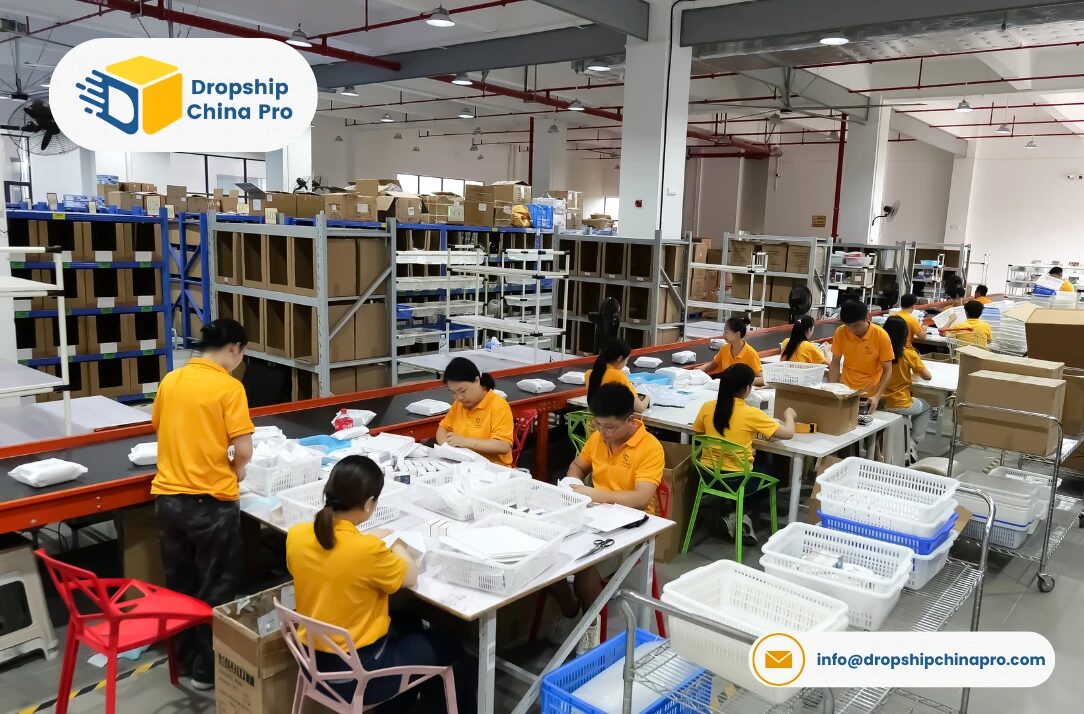
The hardest fulfillment challenge in dropshipping is speed at distance, since sourcing overseas traditionally means slow dispatch and slow delivery. The hybrid model solves it. You test new products shipped directly from China to keep inventory risk low, then stock your proven winners in US warehouses. That combination lets Dropship China Pro fulfill in-stock orders within 24 hours and deliver them in 1-3 days, giving you the fast, controllable fulfillment time that keeps customers and cuts returns.
Fulfill Faster With Dropship China Pro
Fulfillment time is the part of delivery you can control, and the right partner makes it fast by default. Dropship China Pro combines vetted sourcing, quality control and hybrid fulfillment from US and overseas warehouses, dispatching in-stock orders within 24 hours for 1-3 day delivery. Set your store up with our 3PL fulfillment service and connect through our Shopify app to turn fast fulfillment into a competitive edge.
FAQs About Fulfillment Time
What is fulfillment time?
Fulfillment time is how long it takes to process and dispatch an order after a customer places it, including picking, packing and handing the package to the carrier. It does not include shipping transit. It measures how quickly your operation moves an order out the door, which makes it the clearest indicator of fulfillment efficiency.
What is the difference between fulfillment and shipping?
Fulfillment is the warehouse processing from order to dispatch, which you control, while shipping is the carrier’s transit from your warehouse to the customer, which you do not. Delivery time is the two combined. When deliveries run slow, separating the two shows you whether the delay is in your fulfillment or in the carrier’s shipping.
What does fulfillment mean in shipping?
In shipping, fulfillment refers to everything that happens before the package is handed to the carrier: receiving the order, picking the product, packing it and preparing the label. It is the behind-the-scenes work that gets an order ready to ship, as distinct from the transit that follows.
What is a good order fulfillment time?
A good order fulfillment time is same-day or within 24 hours, which is the standard for competitive stores in 2026. One to two days is acceptable, but consistently taking longer risks losing customers to faster competitors, since delivery expectations have compressed to around 2.5 days total.
How can I reduce my fulfillment time?
Set a 24-hour dispatch standard, keep proven products in stock to avoid delays, work with a reliable fulfillment partner, position inventory closer to customers and automate order routing. Showing accurate delivery dates at checkout also protects trust while you improve the underlying speed.
Conclusion
Fulfillment time is the most controllable piece of your delivery promise, and in a market where customers expect orders in around 2.5 days and abandon over slow shipping, controlling it well is a real advantage. Keep it separate from shipping time, hold yourself to a 24-hour dispatch benchmark and fix the delays, usually stockouts and manual steps, that push it higher.
Do that, and fulfillment stops being a hidden weakness and becomes the reliable foundation your delivery promise stands on. Pair fast fulfillment with inventory positioned close to your customers, and you deliver the speed that keeps them coming back.
References
- Baymard Institute. (2026). Cart abandonment rate statistics. baymard.com
- Capital One Shopping. (2026). Ecommerce delivery statistics. capitaloneshopping.com

Hi, I’m Yavuz. I help e-commerce businesses grow through strategic content. Here, I share insights on fulfillment solutions, 3PL partnerships, and digital marketing strategies based on real data and industry trends.