
The fastest way to improve your dropshipping logistics is to treat fulfillment as part of the customer experience rather than a back-office afterthought, because delivery speed, accuracy and communication now decide whether a buyer comes back. For dropshippers who never touch the product, the 3PL and logistics setup behind the store is where that experience is won or lost.
The bar keeps rising. US ecommerce sales reached $1.2337 trillion in 2025 (U.S. Census Bureau, 2025), and 74 percent of shoppers now expect delivery within two days. A package that arrives slow, late, or with no tracking does more damage than a weak product description ever could.
These ten tips cover how to run your 3PL fulfillment and logistics so they speed up delivery, cut costs and keep customers coming back.
Key Takeaways for 3PL Fulfillment Logistics
- Delivery is now a buying decision. 43 percent of shoppers have abandoned a cart or a store over slow shipping (Capital One Shopping, 2026).
- A 3PL is not the same as a dropshipping supplier, and knowing the difference shapes how you set up fulfillment.
- Speed matters, but an accurate delivery date matters more. 76 percent of shoppers prefer stores that show a specific delivery date at checkout (Sendcloud, 2026).
- Local warehousing for your proven winners is the single biggest lever on delivery time, cutting China-direct shipping of 8 to 15 days down to 2 to 5 days.
- Faster is not always better. Match your fulfillment speed to your product and margins so the cost of speed does not erase your profit.
How Can Dropshippers Improve Their 3PL Fulfillment Logistics?
Dropshippers improve their 3PL fulfillment logistics by shortening delivery times, setting accurate expectations at checkout, automating order routing and choosing a 3PL that fits their products and volume. The goal is faster, more reliable delivery at a cost that protects margin, since fulfillment now drives conversion, repeat purchases and support load as much as the product itself. The ten tips below work through how to get there.
1. Know the Difference Between a 3PL and a Dropshipping Supplier
A dropshipping supplier sources and ships products order by order, while a 3PL stores your inventory and fulfills it from a warehouse. Many dropshippers blur the two and end up with the wrong setup for their stage. Understanding the difference between a 3PL and a dropshipping company helps you decide when to ship on demand and when to hold stock closer to your customers.
China-Direct Shipping vs Local Warehouse Fulfillment
| Factor | China-Direct Shipping | Local Warehouse Fulfillment |
|---|---|---|
| Delivery time | 8 to 15 days | 2 to 5 days |
| Inventory risk | Low, you hold no stock | Upfront, you pre-buy stock |
| Conversion impact | Lower, long waits deter buyers | Higher, fast delivery lifts conversion |
| Where-is-my-order tickets | More frequent | Fewer |
| Best for | Testing new, unproven products | Proven winners with stable demand |
2. Move Your Proven Winners to Local Warehousing
Once a product sells steadily, stocking it in a warehouse near your customers is the biggest single win on delivery speed. Shipping direct from China usually takes 8 to 15 days, while fulfilling from a local US or overseas warehouse can land in 2 to 5 days, and that gap shows up directly in your conversion rate. A 3PL fulfillment service with US and international warehouses lets you do this without building your own logistics network.
3. Set Accurate Delivery Dates, Not Just Fast Ones
Speed helps, but certainty sells. 62 percent of shoppers say an accurate estimated delivery date matters more than raw speed, and 76 percent prefer stores that show a specific date at checkout (Sendcloud, 2026). Show realistic delivery windows on your product and checkout pages, then hit them consistently. A reliable five-day promise beats an unreliable two-day one.
4. Use Distributed Warehousing to Cut Last-Mile Costs
Last-mile delivery now eats up 53 percent of total shipping cost (Capital One Shopping, 2026), and that final leg gets cheaper the closer your stock sits to the buyer. Holding inventory in more than one location shortens delivery times and lowers cost per order at the same time. This is the kind of hybrid fulfillment that most 3PLs cannot offer, so it is worth confirming a partner can actually do it.
5. Automate Your Order Routing and Tracking Sync
Manual order handling breaks the moment volume picks up. Connect your store so orders flow to your 3PL automatically and tracking syncs back without anyone copying details by hand. Reliable automatic order fulfillment removes the data entry that causes wrong shipments, missed orders and delays, which are the errors that generate the most support tickets.
6. Cut “Where Is My Order” Tickets With Proactive Tracking
Where-is-my-order questions can swallow a large share of your support volume, and every one of them costs time or money to answer. Proactive tracking updates and clear delivery windows head most of them off before the customer ever has to ask. Good post-purchase communication is one of the cheapest ways to lift satisfaction without touching shipping speed at all.
7. Do Not Overpay for Speed Your Product Does Not Need
Faster is not always better, and chasing same-day delivery on the wrong product just burns margin. Match delivery speed to your product type and average order value: a low-margin item rarely justifies premium speed, while a high-ticket order or a competitive niche usually does. The right move is to balance speed, cost and margin rather than treating speed as a goal on its own.
8. Build Quality Control Into Fulfillment to Cut Returns
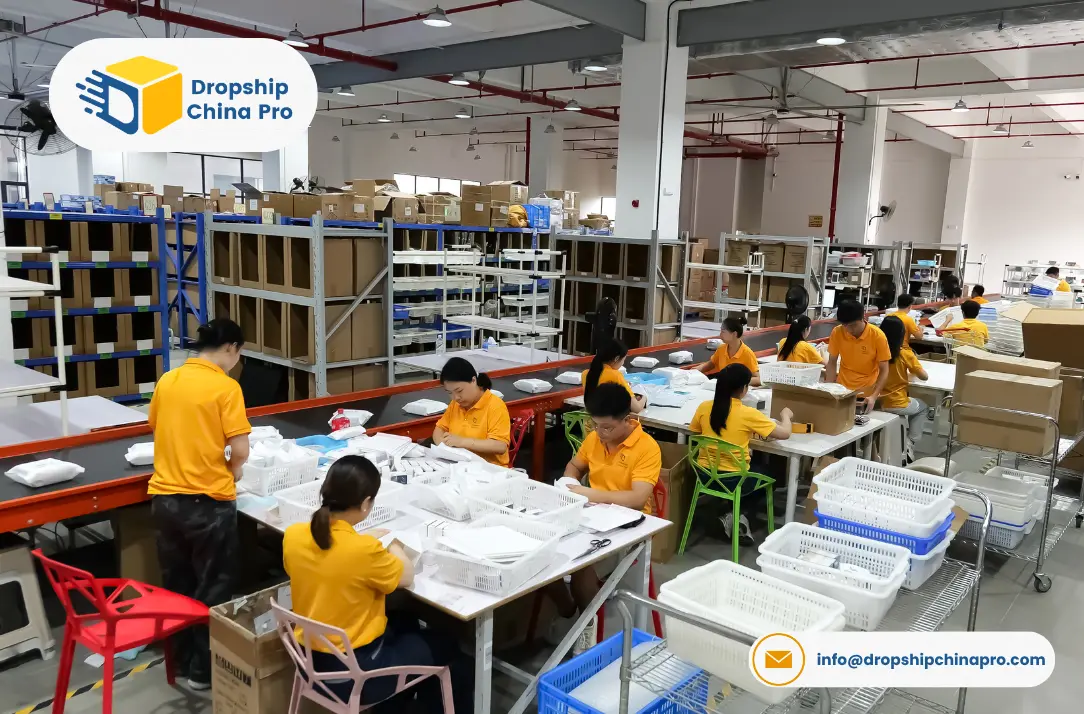
Most returns trace back to product quality or the wrong item going out, and returns are pure margin loss. A fulfillment setup that inspects products before they ship lowers your return rate at the root rather than just processing refunds after the fact. Working with a vetted dropshipping supplier that handles quality control is one of the most effective logistics fixes most sellers overlook.
9. Plan Returns Handling Into Your Logistics
Returns are part of your logistics, not a separate problem to deal with later. A partner that can process returns locally, especially in your biggest markets, turns a slow and costly refund process into a fast one that can even win the customer back. Decide how returns will be handled before you scale, not after the complaints start.
10. Choose a 3PL That Scales With You
Your fulfillment partner should grow with your order volume instead of buckling at the first busy season. Look for warehouse capacity, quality control, fast delivery and the flexibility to handle spikes. Comparing the best 3PL fulfillment companies against those criteria is a good place to start before you commit your inventory to anyone.
High-Impact 3PL Logistics Levers
| Logistics Lever | Action | Payoff |
|---|---|---|
| Delivery speed | Stock proven winners in local warehouses | Faster delivery and higher conversion |
| Delivery accuracy | Show specific delivery dates and meet them | More completed checkouts and buyer trust |
| Automation | Sync orders and tracking automatically | Fewer errors and support tickets |
| Quality control | Inspect products before they ship | Lower return rate and better reviews |
| Scalability | Choose a 3PL that handles volume spikes | Smooth growth through peak season |
A Real Dropshipper’s Logistics Win
One dropshipper the Dropship China Pro team works with had seen six straight months of steady order growth but kept hitting the same wall. He wanted faster delivery, especially heading into the holidays, because quicker shipping meant a longer selling window before Christmas. Even reliable carriers could not fully control customs checks and seasonal delays, so he decided to move to local fulfillment.
His reasoning was disciplined rather than impulsive. His best-selling SKUs had been stable for more than three months, which showed real demand and lowered the risk of holding stock. His buyers wanted fast, trackable delivery, and cutting shipping from the usual 8 to 15 days down to 2 to 5 days could lift conversion on its own. And local fulfillment reduced after-sales issues like refund requests and negative reviews, so his support team stopped fielding a daily flood of where-is-my-order messages. He committed to it and sent 2,000 units of his proven winners to the warehouse. The lesson is the one running through every tip here: once demand is proven, fixing your logistics is often the highest-return move left.
Ready to Tighten Your Fulfillment Logistics?
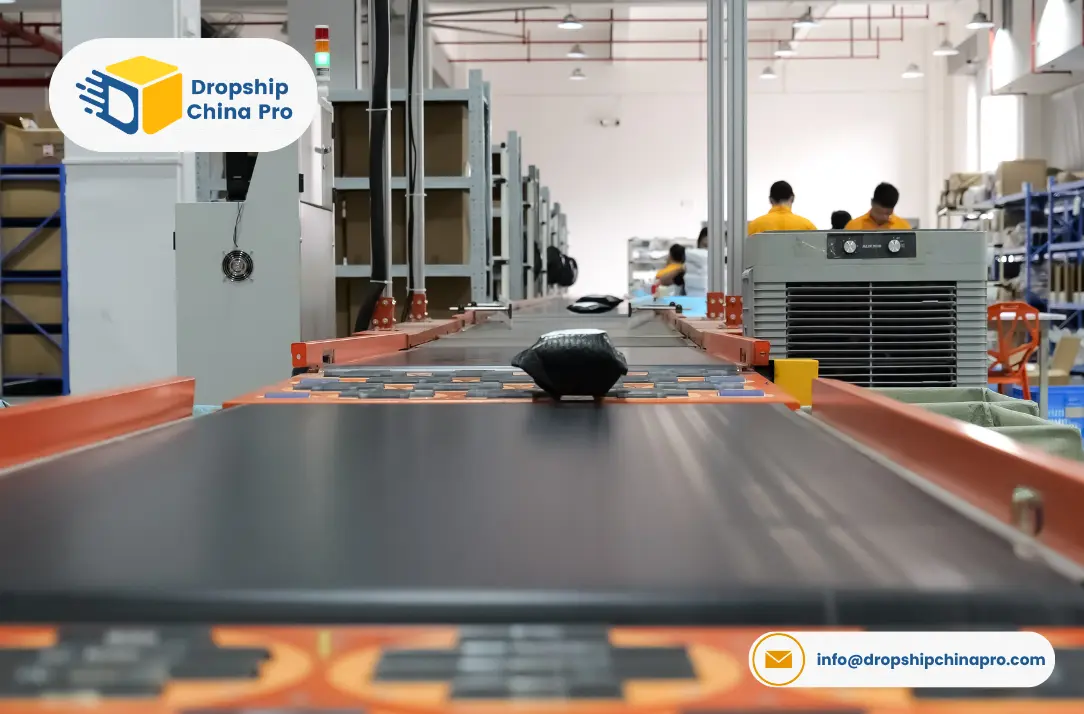
If slow shipping, manual order handling, or rising returns are holding your store back, the fix is a fulfillment partner built for dropshippers. Dropship China Pro gives you vetted suppliers, quality control and fast fulfillment from 3PL warehouses in the US and overseas, so your proven winners reach customers in days, not weeks. Connect your store through our Shopify app and put these tips to work.
FAQs About 3PL Fulfillment for Dropshippers
What is 3PL fulfillment for dropshipping?
3PL fulfillment for dropshipping is when a third-party logistics company stores your inventory and handles picking, packing and shipping orders on your behalf. Instead of every order shipping individually from a supplier, your stock sits in a warehouse closer to your customers, which speeds up delivery and gives you more control over the experience.
How does 3PL fulfillment work for dropshippers?
You send your inventory to the 3PL’s warehouse, connect your store so orders flow in automatically, and the 3PL picks, packs and ships each order, then syncs tracking back to your store. You stay focused on marketing and products while the logistics run in the background, which is the main advantage over handling fulfillment order by order.
When should a dropshipper switch to a 3PL with local warehousing?
The right time is once a product has shown stable demand for a few months, since that lowers the risk of holding stock. At that point, moving your proven winners into a local warehouse cuts delivery times sharply and usually pays for itself through higher conversion and fewer support tickets. Stocking unproven products too early is what creates dead inventory.
How do you choose a 3PL for dropshipping?
Look at delivery speed and warehouse locations, quality control, how well it integrates with your store, how it handles returns and whether it can scale with your volume. The best fit depends on where your customers are and what you sell, so match the provider’s strengths to your product type and main markets rather than picking on price alone.
Does using a 3PL speed up or slow down dropshipping delivery?
A 3PL with warehouses near your customers speeds delivery up significantly, often from 8 to 15 days on China-direct shipping to 2 to 5 days locally. The key is having inventory positioned close to demand, which is exactly what local and distributed warehousing is designed to do.
Conclusion
Strong dropshipping logistics come down to a few disciplined choices: know when to use a 3PL, stock your proven winners close to your customers, set delivery expectations you can actually meet, automate the busywork and pick a partner that scales with you. None of these are dramatic, but together they decide how fast you ship, how much it costs and how often customers come back.
Start with the highest-leverage move for your stage. For most dropshippers with a proven product, that means getting inventory into local warehousing to close the delivery-speed gap. Get the logistics right and fulfillment stops being the thing that holds your store back and becomes the thing that helps it grow.
References
- Capital One Shopping. (2026). Ecommerce delivery statistics. capitaloneshopping.com
- Sendcloud. (2026). E-commerce delivery compass 2026.
- U.S. Census Bureau. (2025). Quarterly retail e-commerce sales.

Hi, I’m Yavuz. I help e-commerce businesses grow through strategic content. Here, I share insights on fulfillment solutions, 3PL partnerships, and digital marketing strategies based on real data and industry trends.