The most common dropshipping mistakes are avoidable ones: choosing products without research, relying on a single unreliable supplier, ignoring your unit economics and competing only on price. Get those wrong and the model works against you. Get them right and the same model becomes one of the lowest-risk ways to start selling online.
That distinction matters because the failure numbers look scary out of context. Industry estimates put long-term dropshipping profitability at only 10 to 20 percent of stores, with most failures happening in the first six months. But dig into why, and the cause is rarely the model itself. It is a short list of avoidable mistakes made over and over. In a 2025 survey of more than 3,000 online store owners, the biggest pain points were practical ones: shipping delays at 64 percent, low margins at 52 percent and supplier reliability at 48 percent (SellersCommerce, 2026), and every one of those is something you can plan around.
This guide covers the real dropshipping mistakes, the genuine risks and the downsides worth knowing, along with how to avoid each one before it costs you.
Key Takeaways for Dropshipping Risks and Mistakes
- Most dropshipping failures come from avoidable mistakes, not the model, and only about 10 to 20 percent of stores reach long-term profitability.
- The biggest risk is thin margins meeting high ad costs. Experienced stores net 15 to 20 percent and need a 40 to 60 percent gross margin to survive.
- The most-reported pain points are shipping delays, low margins and supplier reliability, in that order (SellersCommerce, 2026), so those are where to focus first.
- Slow shipping and weak quality control drive returns, which sit near 20 percent across ecommerce (NRF and Happy Returns, 2025).
- The market is still growing fast toward $1.25 trillion by 2030 (Grand View Research, 2026), so the opportunity is real for sellers who avoid the common traps.
What Are the Most Common Dropshipping Mistakes?
The most common dropshipping mistakes are choosing products without market research, relying on one unreliable supplier, ignoring unit economics before scaling ad spend, competing only on price, neglecting customer service and underestimating shipping times. Every one of these is self-inflicted and avoidable, which is exactly why dropshipping failures are usually caused by the seller rather than the model.
Common Dropshipping Mistakes to Avoid
These are the mistakes that sink most stores, in roughly the order they tend to do damage.
1. Choosing Products Without Research
The classic beginner mistake is picking whatever is trending on TikTok and hoping it sells. Trending products spike fast and die just as fast, and oversaturated ones get undercut on price within weeks. Winning products solve a real problem, ship light and carry enough perceived value to support a healthy margin. Starting from a researched shortlist, like our best dropshipping products for the year, beats chasing viral noise.
2. Relying on One Unreliable Supplier
Your supplier is your product quality, your shipping speed and your customer experience all at once, and supplier reliability sits among the top pain points store owners report. Leaning on a single cheap, unvetted supplier means one stockout or quality slip takes your whole store down with it. Working with a vetted dropshipping supplier removes the single biggest point of failure in the business.
3. Ignoring Your Margins and Unit Economics
Plenty of stores generate revenue and still lose money on every order. Once you subtract product cost, ad spend, shipping and fees, a $30 sale can quietly become a loss. You need to know your real per-order math before you scale ads, not after. Our guide to dropshipping profit margins shows how to model it properly.
4. Competing Only on Price
When your store looks and sells exactly like a hundred others, price is the only lever left, and that race ends in zero margin. Branding is what breaks the cycle, giving customers a reason to buy from you instead of the cheapest copy. A branded dropshipping approach builds the trust and differentiation that thin commodity stores never have.
5. Underestimating Shipping Times
Shipping delays are the single most reported pain point in dropshipping, and for good reason. Long windows of two to four weeks from overseas quietly kill conversions and drive returns, since shoppers in 2026 expect fast delivery and cancel or charge back when they do not get it. Stocking proven products closer to customers through 3PL fulfillment turns shipping speed from a weakness into an advantage.
6. Neglecting Customer Service and Quality
Skipping quality checks and ignoring support tickets show up fast as bad reviews and refund requests. With ecommerce return rates near 20 percent, weak quality control and slow responses compound into lost trust and lost repeat business. Catching problems before they ship is far cheaper than refunding them after.
Top Dropshipping Mistakes, Consequences and Fixes
| Mistake | What It Costs You | How to Fix It |
|---|---|---|
| Choosing products without research | Ad spend wasted on products that do not sell | Research demand and margins before you commit |
| Relying on one unreliable supplier | Stockouts, defects and store-wide failure | Vet suppliers or use a reliable partner |
| Ignoring your margins | Losing money on every order | Model unit economics before scaling ads |
| Competing only on price | A race to zero margin | Differentiate with branding |
| Underestimating shipping times | Cancellations, returns and chargebacks | Ship fast from local warehouses |
| Neglecting service and quality | Bad reviews and lost repeat business | Prioritize quality control and fast support |
The Real Risks of Dropshipping
Beyond the mistakes you control, the model carries genuine risks worth going into with eyes open about:
- Thin margins meet rising ad costs, where even strong revenue can fail to turn a real profit.
- Supplier dependency, where a stockout, price hike, or quality slip on their end hits your store directly.
- Shipping and quality are partly out of your hands, since you never touch the product before the customer does.
- Ad account bans and payment holds, which can freeze cash flow overnight on platforms you do not own.
- Market saturation, since popular products are easy for competitors to copy and undercut.
None of these makes dropshipping unworkable. They make supplier choice, margin discipline and fast fulfillment the things that decide whether you are in the 10 to 20 percent that succeed.
Dropshipping Risks and How to Reduce Them
| Risk | Why It Hurts | How to Reduce It |
|---|---|---|
| Thin margins and high ad costs | Revenue without real profit | Sell higher-value products and price with discipline |
| Supplier dependency | Their stockout becomes your outage | Vet suppliers and keep a backup |
| Shipping and quality out of your hands | Returns and negative reviews | Use quality control and local fulfillment |
| Ad account bans and payment holds | Cash flow frozen overnight | Diversify channels and follow platform rules |
| Market saturation | Easy for rivals to copy and undercut | Build a brand, not just a store |
The Downsides of Dropshipping and How to Manage Them
Dropshipping trades some real advantages for some real disadvantages. The upside is low startup cost, no inventory risk and the freedom to test products cheaply. The downsides are the flip side of that same coin:
- Lower margins than holding your own inventory, managed by focusing on higher-perceived-value products and branding.
- Less control over inventory, shipping and quality, managed by choosing a reliable fulfillment partner instead of the cheapest one.
- High competition, managed by differentiating on brand and customer experience rather than price.
- A heavier customer-service load, managed with fast responses, clear policies and quality control that reduces problems at the source.
Knowing the disadvantages going in is what lets you build around them instead of being blindsided.
How to Avoid These Mistakes and Risks
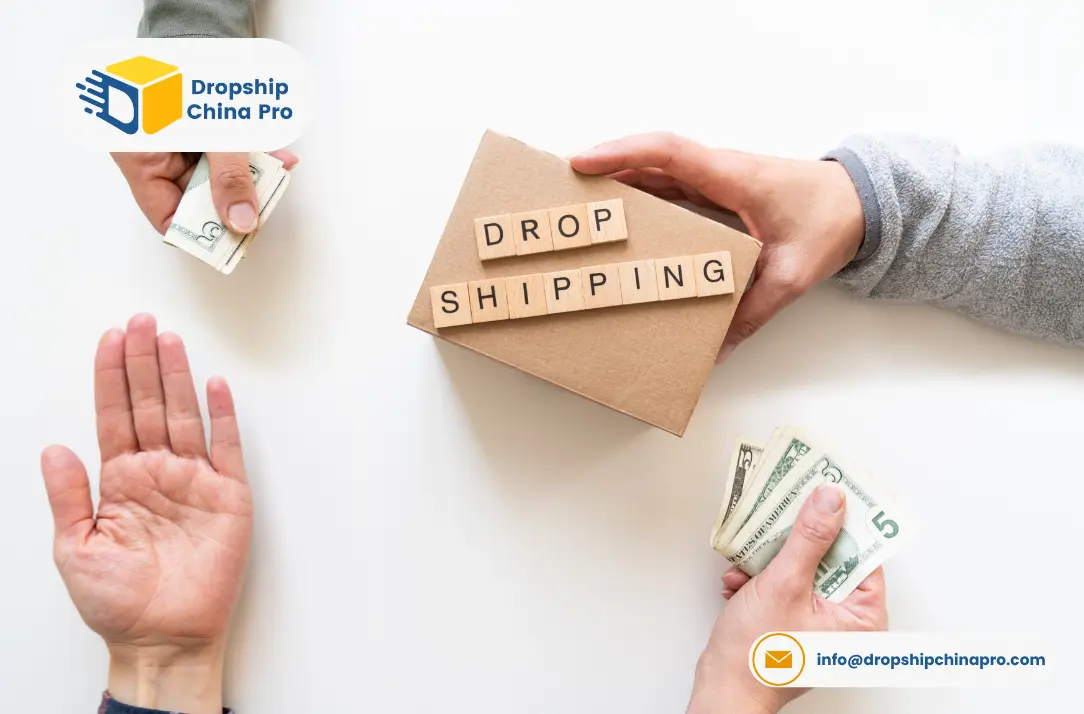
The fixes form a short, repeatable checklist. Research products before you commit, vet your suppliers or work with a partner who already has, know your unit economics before scaling ads, differentiate with branding instead of price, ship fast by positioning inventory closer to customers and treat service and quality as priorities rather than afterthoughts. Do those consistently and you remove almost every common cause of failure.
A Real Turnaround
Consider a beginner who launched the textbook way: a trending gadget chosen off TikTok, one cheap unvetted supplier, ads scaled hard before checking the math. The numbers were brutal. A $30 sale cost $10 in product, $25 in ads and $5 in shipping, a $10 loss on every order, made worse by 20-day shipping that drove refunds. He stopped and rebuilt. He researched a problem-solving product with real margin, moved to a vetted supplier with fast local fulfillment, modeled his unit economics before spending another dollar on ads and added simple branding to escape the price war. Within a few months, the same store was netting a healthy margin instead of bleeding cash. The model never changed. The mistakes did.
Build Your Store on a Reliable Foundation
Most dropshipping mistakes trace back to one thing: an unreliable supplier and slow, low-quality fulfillment. Dropship China Pro solves that at the root with vetted sourcing, quality control and fast fulfillment from US and overseas warehouses, so your products arrive quickly and as described. Start with a trustworthy dropshipping supplier and connect your store through our Shopify app to avoid the failures on this list before they happen.
FAQs About Dropshipping Risks and Mistakes
What are the risks of dropshipping?
The main risks of dropshipping are thin profit margins combined with high advertising costs, dependency on suppliers for quality and shipping, slow delivery times that drive returns, ad account bans or payment holds and heavy market saturation. These risks are manageable with disciplined margins, reliable suppliers and fast fulfillment, but ignoring them is what sinks most stores.
What are the most common dropshipping mistakes?
The most common dropshipping mistakes are choosing products without market research, relying on a single unreliable supplier, ignoring unit economics before scaling ads, competing only on price, underestimating shipping times and neglecting customer service and quality control. Each one is avoidable, which is why most failures are self-inflicted.
What are the disadvantages of dropshipping?
The disadvantages of dropshipping are lower margins than holding inventory, less control over shipping and product quality, intense competition and a heavier customer-service load. The trade-off is low startup cost and no inventory risk, so the model rewards sellers who manage the downsides with branding, reliable partners and fast fulfillment.
What mistakes do dropshipping beginners make?
Beginners most often pick trending products without research, source from one cheap supplier, expect to get rich quickly and scale ad spend before understanding their real per-order profit. Treating dropshipping as a serious business with proper research, margin math and a reliable supplier avoids nearly all of these early mistakes.
Is dropshipping risky?
Dropshipping is low-risk to start because you hold no inventory, but it is not risk-free. The real risks are financial rather than operational: thin margins, rising ad costs and supplier dependency. Sellers who know their numbers, choose reliable suppliers and ship fast carry far less risk than those chasing quick wins.
Conclusion
Dropshipping is not dead and it is not a scam. It is a real business that punishes a short list of avoidable mistakes and rewards the sellers who sidestep them. The failures almost always come from the same places: no product research, an unreliable supplier, ignored margins, price-only competition and slow shipping.
Fix those and the risks shrink to something manageable. Research before you commit, build on a reliable supplier and fast fulfillment, know your numbers and differentiate on more than price. Do that and you put yourself in the small group of stores that actually last, in a market still growing toward $1.25 trillion by 2030.
References
- Grand View Research. (2026). Dropshipping market size, share and growth report. grandviewresearch.com
- National Retail Federation & Happy Returns. (2025). 2025 retail returns landscape. nrf.com
- SellersCommerce. (2026). Dropshipping statistics. sellerscommerce.com

Hi, I’m Yavuz. I help e-commerce businesses grow through strategic content. Here, I share insights on fulfillment solutions, 3PL partnerships, and digital marketing strategies based on real data and industry trends.