
Winning dropshipping advertising in 2026 means matching each product to the right platform, leading with authentic creative instead of narrow targeting, retargeting the shoppers who leave without buying and advertising a fast delivery promise that turns clicks into orders. Spending more is not the strategy. Executing smarter is.
The numbers explain why. Nearly 70 percent of online carts are abandoned, and the single biggest reason is unexpected costs like shipping (Baymard Institute, 2026). At the same time, ad costs keep climbing while return on ad spend declines across every platform (Triple Whale, 2026). So the stores that win are not the ones with the biggest budgets. They are the ones that run tight campaigns and remove the friction, especially slow, expensive shipping, that kills conversions after the click.
This guide covers the platforms, creative, retargeting and the fulfillment edge that make dropshipping ads profitable.
Key Takeaways for Dropshipping Advertising
- Match the product to the platform: impulse buys win on TikTok and Instagram, problem-solvers on Facebook and Google.
- Creative now drives performance more than targeting, and authentic user-style content beats polished studio ads.
- Retargeting converts warm shoppers at a fraction of cold-traffic cost, so it belongs in every budget.
- Unexpected shipping costs are the top reason carts are abandoned (Baymard Institute, 2026), so a fast, clear delivery promise is a direct conversion lever.
- With Dropship China Pro’s hybrid model, you can advertise 1-3 day delivery on proven products, which lifts conversion and lowers your cost per sale.
What Is Dropshipping Advertising?
Dropshipping advertising is a paid promotion that drives targeted traffic to a store running on a dropshipping model. Unlike ordinary retail advertising, it has to work within tighter margins, heavier competition from stores selling similar products and the shipping-time challenge that comes with sourcing overseas. That means creative quality, sharp platform choice and fast fulfillment matter more here than raw ad spend.
Match Your Product to the Right Platform
Not every platform suits every product, and spreading a small budget across all of them is how stores burn cash. Match the product to where its buyers are, then focus on two or three channels:
- Impulse and trending products, usually under $50, perform best on TikTok and Instagram, where discovery is visual and fast.
- Problem-solving products that people actively search for do well on Facebook and Google Search, which capture existing intent.
- Premium or unique products over $100 suit Google Search and YouTube, where buyers research before committing.
- Visual and lifestyle products like home decor, fashion and beauty thrive on Pinterest and Instagram.
Best Ad Platform by Product Type
| Product Type | Best Platforms | Why It Works |
|---|---|---|
| Impulse and trending (under $50) | TikTok, Instagram | Fast visual discovery drives quick buys |
| Problem-solving products | Facebook, Google Search | Captures existing search intent |
| Premium or unique (over $100) | Google Search, YouTube | Buyers research before committing |
| Visual and lifestyle | Pinterest, Instagram | Discovery-led browsing suits home, fashion, beauty |
Let Creative Do the Targeting
Since privacy changes have limited ad tracking, creative has become the main performance driver, and platform algorithms are now good enough to find buyers when you feed them strong creative and a broad audience. Authentic, user-generated style content consistently beats polished studio ads because it feels real rather than promotional.
The creative that converts shares the same bones: a scroll-stopping hook in the first three seconds, a clear problem-and-solution story, visible social proof like reviews, a trust signal such as fast shipping and one clear call to action. Launch five to eight variations, expect most to underperform, scale the winners and refresh them every 7 to 14 days before fatigue sets in. This is where paid ads connect to your wider dropshipping marketing mix.
Retarget the Shoppers Who Almost Bought
Most people do not buy on the first visit, and chasing only cold traffic wastes the interest you already paid to create. Retargeting brings back warm shoppers and converts them at a much lower cost per sale. Segment by intent and message each group differently: cart abandoners get a direct reminder, product viewers get reviews and reassurance and general visitors get your bestsellers. Pair this with automated email flows, since abandoned-cart sequences recover a meaningful share of otherwise lost orders at almost no extra ad cost.
The Fulfillment Edge: Advertise Fast Delivery
Here is the lever most dropshippers miss. Because unexpected shipping is the number one reason carts are abandoned (Baymard Institute, 2026), the delivery promise in your ads and on your product pages directly affects how many clicks become orders. Ads that promise fast, reliable delivery convert far better than those quietly hiding a two-to-four-week wait.
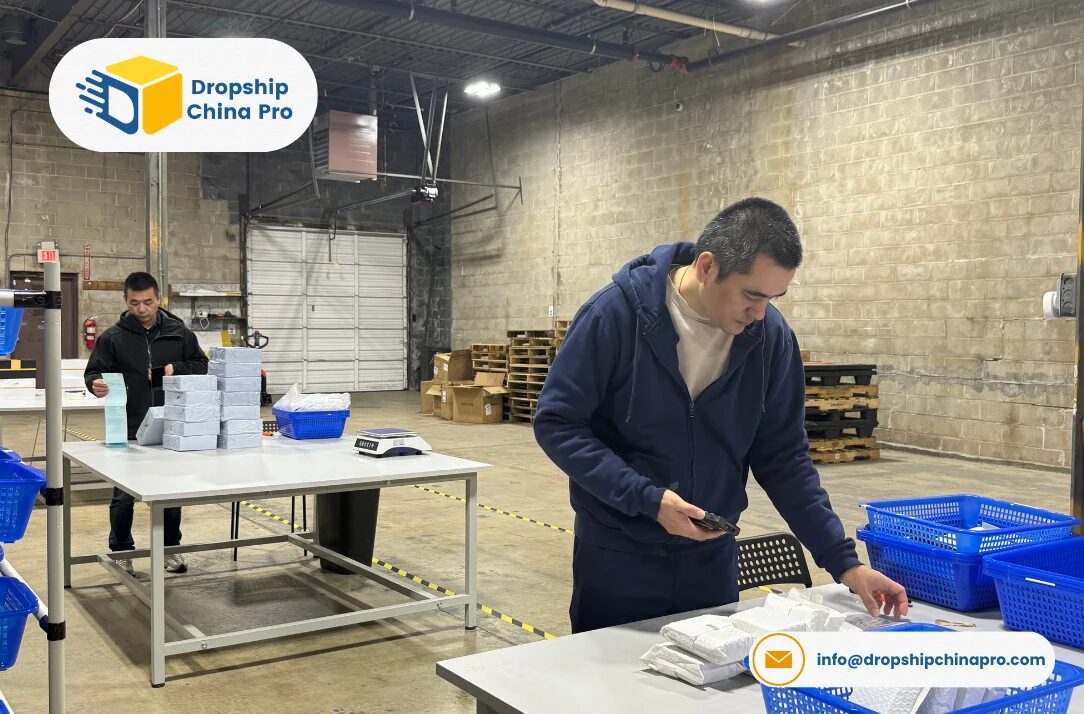
This is exactly what Dropship China Pro’s hybrid model is built for. You test new products shipped directly from China to keep inventory risk low, then move your proven winners into US warehouses so they reach customers in 1-3 days. That lets you advertise fast delivery with confidence, cutting abandonment and letting you bid more aggressively while staying profitable. Pairing a reliable dropshipping supplier with 3PL fulfillment from a US fulfillment warehouse turns shipping from a conversion killer into a selling point.
Avoid These Common Advertising Mistakes
Most wasted ad spend traces back to a short list of avoidable errors:
- Testing budgets too small to give the algorithm enough data, so nothing ever optimizes.
- Scaling winners too fast, which destabilizes campaigns instead of growing them.
- Over-narrow targeting that starves the algorithm, whereas broad audiences plus strong creative would perform better.
- Stale creative left running until costs climb and results fade.
- Launching without proper conversion tracking, which means advertising blind.
The Metrics That Actually Matter
Return on ad spend is the headline number, and a healthy target is around 3x or higher. That bar matters more than ever because average ecommerce ROAS has slipped toward 2.9x as costs rise, with many stores earning back less than that (Triple Whale, 2026). Watch customer acquisition cost too, aiming to keep it near 25 to 30 percent of your average order value, and track click-through rate as an early signal of creative health. Protecting your margins is what makes an aggressive ad budget sustainable, as our guide to dropshipping profit margins breaks down.
Dropshipping Ad Metrics and Healthy 2026 Targets
| Metric | Healthy Target | What It Tells You |
|---|---|---|
| ROAS (return on ad spend) | 3x or higher | Whether campaigns are profitable to scale |
| CAC (customer acquisition cost) | 25 to 30% of AOV | Whether growth is sustainable |
| CTR (click-through rate) | 1.5 to 3% | Early signal of creative health |
| Add-to-cart rate | 5 to 10% of visitors | Whether the product page and offer land |
| Testing budget per platform | $500 to $700 | Enough data to judge before scaling |
A Real Advertising Turnaround
Consider a store selling home organization products with strong creative but a stubborn 1.2 percent conversion rate. The ads earned clicks at a fair cost, but the advertised two-to-four-week overseas shipping drove most shoppers to abandon at checkout. The fix was not more ad spend. The store moved its proven products into US warehouses through a hybrid setup, updated its ads and product pages to promote 1-3 day delivery and added retargeting that addressed shipping directly. Within a month, conversion climbed from 1.2 percent to 3.1 percent, cart abandonment fell sharply, cost per acquisition dropped by roughly a third and ROAS improved from 1.8x to 3.4x. The campaigns barely changed. The delivery promise did.
Turn Ad Clicks Into Customers With Dropship China Pro
Profitable ads are only half the equation. Conversions climb when you can promise 1-3 day delivery instead of a multi-week wait. Dropship China Pro combines vetted sourcing, quality control and a hybrid fulfillment model, testing new products from China and stocking proven winners in US warehouses, so the traffic your ads drive actually converts. Connect your store through our Shopify app and turn faster delivery into better ad performance.
FAQs About Dropshipping Advertising
What is the best advertising platform for dropshipping?
Facebook and Instagram remain the most popular for their reach and retargeting tools, but the best platform depends on your product. TikTok and Instagram suit impulse and trending items, Google Search fits problem-solving products with existing demand and Pinterest works for visual and lifestyle products. Most successful stores focus on two or three platforms rather than all of them.
How much should I spend on dropshipping ads?
Plan for roughly $500 to $700 per platform during the testing phase, starting at $20 to $30 a day and scaling gradually as campaigns prove profitable. Growing stores often reinvest 25 to 35 percent of revenue into ads, easing toward 15 to 25 percent once established. Your right number depends on margins, average order value and growth goals.
What is a good ROAS for dropshipping?
A good return on ad spend for dropshipping is about 3x or higher, which covers product, fulfillment and platform costs with profit left over. That target matters because average ecommerce ROAS has slipped toward 2.9x as ad costs rise (Triple Whale, 2026). Higher-margin products can work at a lower ROAS, while thin-margin items need more.
How long does it take to see results from dropshipping ads?
Initial data appears within 24 to 48 hours, but reliable results take 7 to 14 days as the algorithm optimizes. Budget for at least two weeks and several creative variations before judging a platform. Some campaigns turn profitable quickly, while others need three to four weeks of testing to reach target performance.
How do I reduce my dropshipping advertising costs?
Improve creative quality to lift click-through rate and lower costs, lean on retargeting since it converts warm shoppers cheaply and tighten your product pages so more clicks convert. Advertising fast, reliable delivery also reduces the cart abandonment that quietly inflates your true cost per sale.
Conclusion
Dropshipping advertising in 2026 rewards execution over budget. Match each product to the right platform, let strong creative guide the targeting, retarget the shoppers you already paid to reach and watch your real metrics rather than vanity numbers.
The overlooked edge is fulfillment. With ad costs rising and shipping costs being the top reason carts are abandoned, the ability to advertise 1-3 day delivery is one of the highest-return moves a dropshipper can make. Get the ads right, put fast fulfillment behind them and you convert more of every click into a paying customer.
References
- Baymard Institute. (2026). Cart abandonment rate statistics. baymard.com
- Triple Whale. (2026). Ecommerce benchmarks: key metrics and industry data. triplewhale.com

Hi, I’m Yavuz. I help e-commerce businesses grow through strategic content. Here, I share insights on fulfillment solutions, 3PL partnerships, and digital marketing strategies based on real data and industry trends.