
The most reliable way to ensure product quality in dropshipping is to control quality before products ship, at the supplier and factory level, rather than discovering defects after customers complain. Because you never physically handle your products, the customer becomes your first inspector, and by then a quality problem has already cost you a sale, a review and often a return.
That is an expensive place to find out something is wrong. Returns are now a structural cost of selling online; ecommerce return rates sit near 20 percent, and a large share of those returns trace straight back to quality. The defects you cannot see are quietly deciding your margins, your reviews and whether customers come back.
This guide covers what quality control means in dropshipping and exactly how to ensure product quality before it ever reaches a customer.
Key Takeaways for Dropshipping Quality Control
- Quality control matters more in dropshipping because you never touch the product, so the only place to catch problems is before it ships.
- Ecommerce return rates are near 20 percent in 2026, more than double those of brick-and-mortar retail, and quality issues drive a large share of them (NRF and Happy Returns, 2025).
- Damaged-on-arrival items cause about 16 percent of returns and “not as described” causes about 14 percent, so roughly a third of returns are quality problems that control can prevent (Eightx, 2026).
- A bad experience is costly. 71 percent of shoppers say one bad return would stop them from buying from a store again (NRF and Happy Returns, 2025).
- The highest-leverage move is working with vetted suppliers and quality factories that inspect before shipping, not chasing refunds after.
What Is Quality Control in Dropshipping?
Quality control in dropshipping is the process of making sure products meet your standards before they reach customers, covering supplier vetting, sample testing, factory standards and pre-shipment inspection. Because you never hold inventory yourself, this control happens at the supplier and factory level, which is why your choice of supplier is the single biggest quality decision you make. Get that choice right and most quality problems never reach a customer. Get it wrong and you are managing complaints instead.
Why Quality Control Matters More for Dropshippers
In a normal retail business, someone opens the box, checks the product and decides whether it is good enough to sell. In dropshipping, that step is skipped, and your customer is the one who opens the box first. That single difference is why quality control carries more weight here than almost anywhere else in ecommerce.
The cost shows up in returns. Online return rates sit around 20 percent, roughly double the 8 to 9 percent of physical retail (Capital One Shopping, 2026), and each return can cost $15 to $30 to process once you count shipping, labor and lost resale value (Eightx, 2026). Worse, the damage is not only financial. 71 percent of shoppers say a single bad return experience would stop them shopping with a store again (NRF and Happy Returns, 2025). Quality control is how you keep a defect from turning into a refund, a one-star review and a lost customer all at once.
Top Return Reasons and What Quality Control Can Prevent
| Return Reason | Share of Returns | Can Quality Control Prevent It? |
|---|---|---|
| Sizing and fit | About 45% | Partly, with accurate sizing details and honest listings |
| Damaged on arrival | About 16% | Yes, with pre-shipment inspection and better packaging |
| Not as described | About 14% | Yes, with sample testing and accurate product photos |
| Changed mind or buyer’s remorse | The remainder | No, this is a marketing and expectation issue |
How to Ensure Product Quality in Dropshipping
Ensuring product quality comes down to building checks in at every stage before the customer, not relying on luck. Here are the steps that matter most, in order of impact.
1. Vet Your Suppliers Before You Sell Anything
Quality starts with who you buy from. Before listing a product, confirm the supplier’s track record, ask how they handle defects and check whether they run their own quality checks. A reliable supplier prevents far more problems than any after-the-fact policy ever will, which is exactly what a vetted dropshipping supplier is built to give you.
2. Order and Test Samples First
Never list a product you have not held in your own hands. Order samples, check the build quality, test how it works and confirm it matches the photos and description you plan to use. This one habit catches the “not as described” problems that cause around 14 percent of all returns before a single customer is affected.
3. Work With Quality Factories
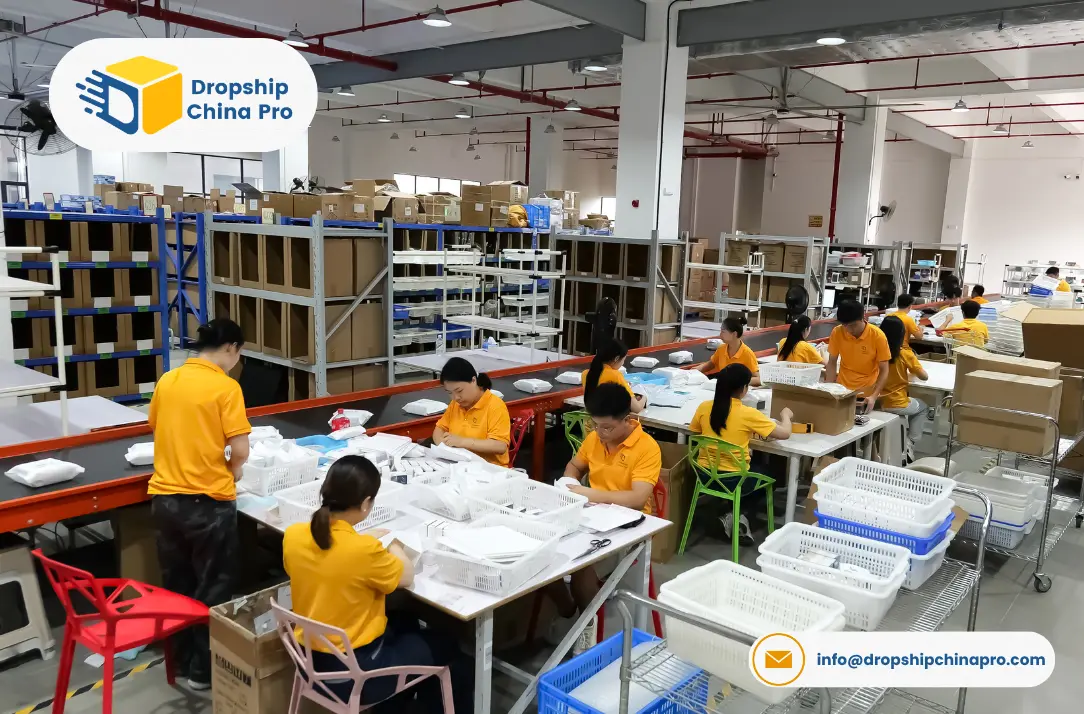
The factory behind your product sets the ceiling on its quality. Quality factories follow stricter production standards and run their own inspections, which means fewer defects leave the line in the first place. They also tend to hit production and delivery timelines, and on-time delivery matters for quality too: late or delayed orders push up returns and make customers question the product before they even open it. Sourcing through a partner that handles product sourcing and quality control together is the difference between catching problems early and shipping them to customers, and our guide to sourcing products from China walks through how to find quality factories yourself.
4. Inspect Products Before They Ship
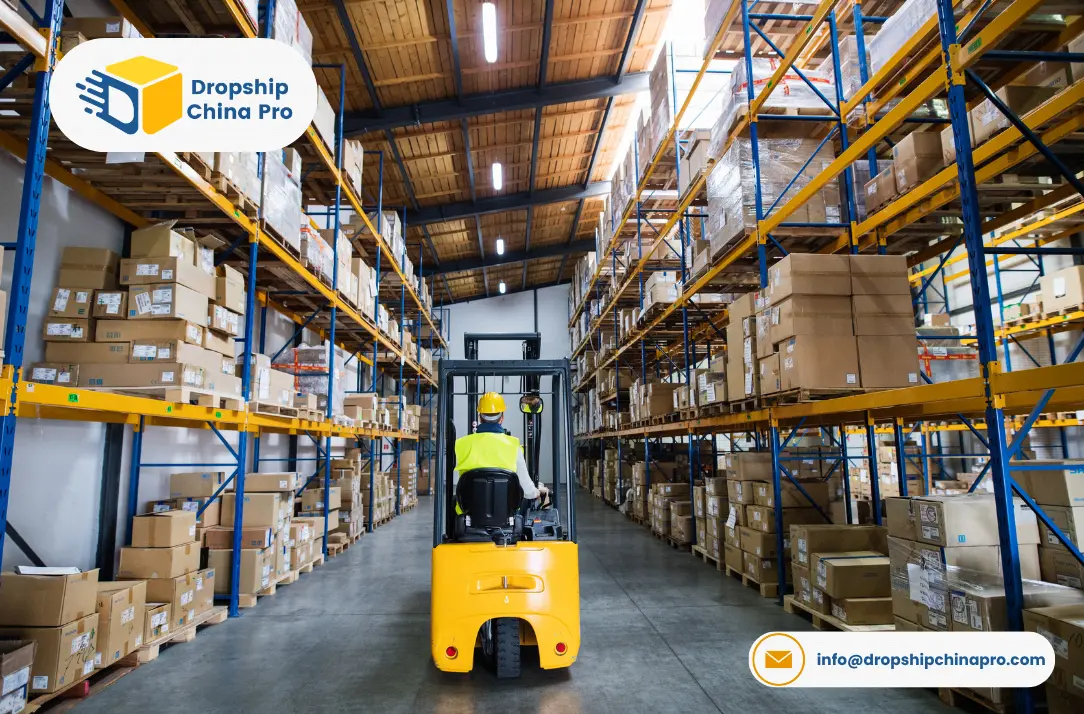
A pre-shipment inspection is your last line of defense, and it is the one most dropshippers skip. Having products checked at the warehouse before they go out catches damage, wrong items and defects while they can still be fixed, instead of after a customer files a complaint. This is the stage that quietly removes the 16 percent of returns caused by damaged-on-arrival items.
5. Choose Products That Are Easier to Get Right
Some products are simply lower-risk. The qualities of a good dropshipping product include simple construction, few moving or breakable parts, forgiving sizing and a clear, honest description that the product can actually live up to. Complex electronics and sized apparel carry structurally higher return rates, so if quality control is a concern, leaning toward simpler products lowers the risk before you even start.
6. Track Return Reasons and Feed Them Back
Every return is data. Sort your returns by reason: damaged, defective, not as described, wrong item, and you will quickly see whether you have a supplier problem, a packaging problem, or a listing problem. Feed that back to your supplier and fix the root cause rather than processing the same refund over and over.
The Dropshipping Quality Control Checklist
| Quality Control Stage | What to Do | What It Prevents |
|---|---|---|
| Supplier vetting | Check track record and defect handling before listing | Unreliable suppliers and recurring defects |
| Sample testing | Order and test samples before you list a product | “Not as described” returns |
| Quality factories | Source through partners using vetted factories | Defects leaving the production line |
| Pre-shipment inspection | Have products checked before they ship | Damaged and wrong-item returns |
| Return-reason tracking | Sort returns by cause and feed them back to suppliers | Repeat problems at the root |
How Quality and Delivery Together Build Trust
Quality control does not stop at the product. A flawless item that arrives late or damaged in transit still reads as a quality failure to the customer. That is why the strongest setups pair quality factories with reliable fulfillment: products that are made well, inspected before shipping and delivered on time. Together they reduce returns, earn better reviews and turn first-time buyers into repeat ones. Fewer quality returns also protect your bottom line directly, which is one of the most effective ways to improve your dropshipping profit margins.
A Real Quality Turnaround
Consider a seller seeing steady sales on a home gadget but a return rate stuck near 18 percent. Sorting the returns showed the problem clearly: more than half were “arrived damaged” or “not as described,” not buyer’s remorse. He made three changes. He ordered fresh samples and rewrote his listing to match the real product; he moved sourcing to a partner working with a vetted factory and he added a pre-shipment inspection step. Within two months, his defect-driven returns had fallen sharply and his overall return rate dropped into the single digits; his reviews recovered and the margin he had been losing to refunds came back. Nothing about his marketing changed. He just stopped shipping problems to customers.
Hand Your Quality Control to a Partner That Owns It
The simplest way to guarantee product quality is to let specialists handle it end to end. Dropship China Pro combines vetted suppliers, quality factories and pre-shipment inspection in one product sourcing and quality control service, so defects are caught before they ever reach your customers. Connect your store through our Shopify app and make quality something you no longer have to worry about.
FAQs About Dropshipping Quality Control
What is quality control in dropshipping?
Quality control in dropshipping is the process of checking that products meet your standards before they reach customers. It covers vetting suppliers, testing samples, working with reliable factories and inspecting products before they ship. Since you never handle inventory yourself, this control happens at the supplier and factory level rather than in your own warehouse.
How do you ensure product quality in dropshipping?
You ensure product quality by vetting your suppliers, ordering and testing samples before listing, working with quality factories, inspecting products before they ship and choosing lower-risk products. Tracking your return reasons and feeding them back to suppliers closes the loop so you fix root causes instead of repeating the same problems.
What are the qualities of a good dropshipping product?
A good dropshipping product tends to have simple construction with few breakable parts, forgiving or no sizing, strong perceived value and a description the product can honestly live up to. Products like these carry lower return rates because there is less that can go wrong between the factory and the customer.
How can dropshippers reduce returns from quality issues?
Catch quality problems before they ship. Damaged-on-arrival items and “not as described” together cause roughly 30 percent of returns, and both are preventable with sample testing, accurate listings, quality factories and pre-shipment inspection. Fixing the source is far cheaper than processing the refunds.
Why is quality control important in dropshipping?
Because you never touch the product, a quality miss goes straight to the customer and turns into a return, a bad review and often a lost customer. With ecommerce return rates near 20 percent and most shoppers unwilling to return after one bad experience, quality control is what protects your reputation and your margins.
Conclusion
Quality control is the part of dropshipping that is easiest to ignore and most expensive to get wrong. You never see the product, so unless you build checks in before it ships, your customer becomes the inspector and every miss costs you a sale, a review and a return.
The fix is not complicated. Vet your suppliers, test samples, work with quality factories, inspect before shipping and choose products that are easier to get right. Do that, and you stop shipping problems to customers, which protects your reviews, your repeat business and your margins all at once. In a market where one in five orders comes back, getting quality right at the source is one of the highest-return moves a dropshipper can make.
References
- Capital One Shopping. (2026). Ecommerce returns statistics.
- Eightx. (2026). Average ecommerce return rate by category. eightx.co
- National Retail Federation & Happy Returns. (2025). 2025 retail returns landscape. nrf.com

Hi, I’m Yavuz. I help e-commerce businesses grow through strategic content. Here, I share insights on fulfillment solutions, 3PL partnerships, and digital marketing strategies based on real data and industry trends.